 Які ты дыназаўр? Тэст
 Бітва дыназаўраў
 Гонка дыназаўраў
 Міні-гульні пра дыназаўраў
 Альбом налепак
 ТОП-спісы дыназаўраў
 Здзіві мяне!
Gonkoken
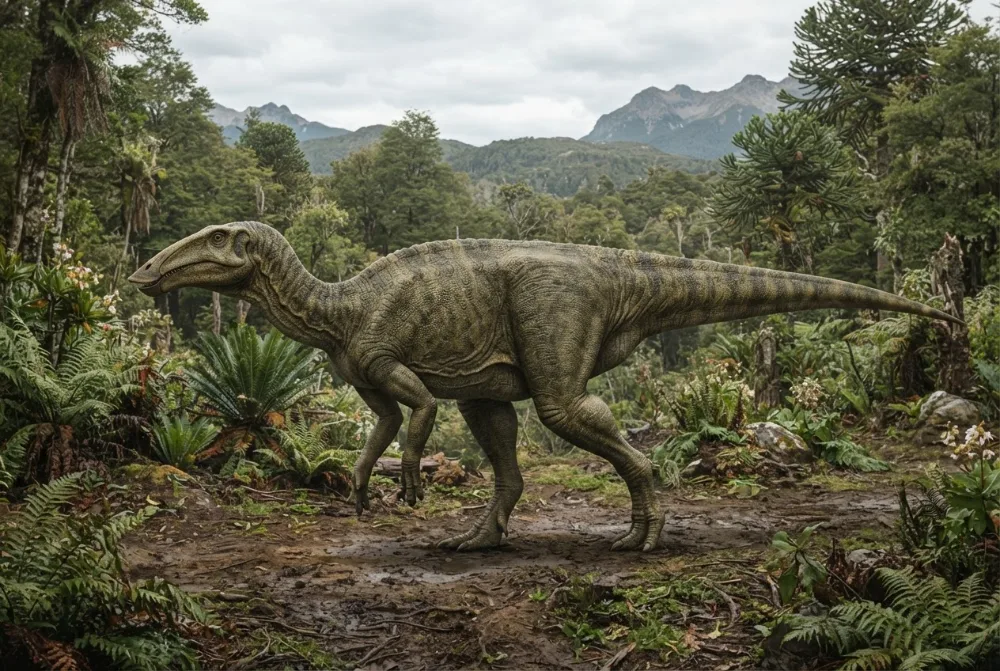
Gonkoken was a small duck-billed dinosaur that lived in what is now southern Chile, near Antarctica. It was about as long as a car and used its hundreds of teeth to chew tough plants. This dinosaur is special because it is not a true hadrosaurid, but a more ancient cousin that survived until the very end of the dinosaur age.24
Калі ён жыў?
Які ён быў вялікі?
Якой ён быў даўжыні?
Якога ён быў росту?
ацэнка
Колькі ён важыў?
 даўжынёй як 4 сабак ад носа да хваста🍌даўжынёй як 22 бананаў адзін за адным🍉вагой як 200 кавуноў🧸вагой як 53 дзяцей з садка🎒вагой як 31 школьнікаў🐻❄️вагой як 2 белых мядзведзяў🏃мог бы прабегчы 100 метраў за 11 с (самаму хуткаму чалавеку трэба 9,6)
Наколькі вялікім быў Gonkoken у параўнанні з ТАБОЙ?
Толькі матэматыка ў тваім браўзеры. Нічога не захоўваецца і нікуды не адпраўляецца.
Наколькі ён быў хуткі?


Цікавыя факты
Gonkoken is a 'transitional' duckbill, meaning it is closely related to true hadrosaurids but not one itself. Its ancestors came from North America and arrived in South America earlier than the more advanced duckbills.2
The name Gonkoken comes from the Aónik’enk language, spoken by the indigenous people of the region. 'Gon' means 'similar to' and 'koken' means 'wild duck or swan'.21
Fossils of Gonkoken were found in a bonebed containing at least three individuals. The site is still being excavated and may hold many more bones.2
Gonkoken lived about 71.7 to 70.5 million years ago, during the early Maastrichtian stage of the Late Cretaceous. This was just a few million years before the asteroid impact that ended the age of dinosaurs.2
Unlike true hadrosaurids, Gonkoken had fewer than 30 tooth positions in its lower jaw, and its tooth rows did not extend beyond the coronoid process.2
Gonkoken is the first duck-billed dinosaur described from a subantarctic region. Its discovery suggests that some alleged hadrosaurid fossils from Antarctica might actually belong to non-hadrosaurid duckbills like Gonkoken.2
Пра што найчасцей пытаюцца: Gonkoken
?How big was Gonkoken?
Gonkoken was a small duck-billed dinosaur, about 4 metres (13 feet) long. That is roughly the length of a small car.12
?When did Gonkoken live?
Gonkoken lived about 71.7 to 70.5 million years ago, during the early Maastrichtian stage of the Late Cretaceous. That was just a few million years before the asteroid hit.12
Разбуральнік міфаў
Міф: All duck-billed dinosaurs are hadrosaurids (true duckbills).
Праўда: Gonkoken is a duck-billed dinosaur but not a hadrosaurid. It belongs to a more ancient lineage that survived alongside true duckbills in the far south.2
Для знаўцаў дыназаўраў
- Навуковая назва
- Gonkoken
- Назву даў
- Alarcón-Muñoz et al. 20234
- Група
- Дзюбатыя расліннаедныя
- Сямейства / клада
- Hadrosauroidea4
- Класіфікацыя
- Ornithischia > Ornithopoda > Iguanodontia4
- Узрост парод
- ад 72 да 66 мільёнаў гадоў (Maastrichtian)4
- Горныя пароды
- Dorotea4
- Краіны
- Чылі4
- Знаходкі выкапняў
- 1 у базе The Paleobiology Database4
- Адкрыццё
- Gonkoken was named in 2023 by Alarcón-Muñoz and colleagues. The first bones were found by Mario 'Nano' Ulloa in the Río de las Chinas Valley, and excavations began in 2013, uncovering many disarticulated remains.24
- Навукоўцы яшчэ спрачаюцца
- Scientists debate whether all alleged hadrosaurid fossils from Antarctica and subantarctic regions actually belong to non-hadrosaurid duckbills like Gonkoken, rather than true hadrosaurids.2
Адкуль бяруцца факты
- Gonkoken (en.wikipedia.org)
- Relict duck-billed dinosaurs survived into the last age of the dinosaurs in subantarctic Chile (science.org)
- Scientists discover duck-billed dinosaur roamed Chile 72 million years ago | Reuters (reuters.com)
- Gonkoken in The Paleobiology Database (CC BY 4.0): узрост, месцы, горныя пароды, класіфікацыя.
Кожны факт на гэтай старонцы мае нумар, які паказвае на яго крыніцу. Калі мы нешта пераблыталі, прабач, мы фанаты дыназаўраў, а не навуковы часопіс. Напішы нам на [email protected], і мы ўсё выправім.
 Рэкс галодны! Dino Wiki зрабіў тата для свайго сына, які любіць дыназаўраў. Сайт бясплатны, без рэкламы і без трэкераў. Дарослыя могуць пачаставаць Рэкса, каб сайт і далей працаваў.Пакарміць Рэкса
 Iguanodon
 Tenontosaurus
 Thescelosaurus
 Zalmoxes
 Camptosaurus
 Rhabdodon
 Tyrannosaurus
 Triceratops
 Velociraptor
 Spinosaurus
 Ankylosaurus
 Parasaurolophus