 Zer dino zara? Galdetegia
 Dino borroka
 Dino lasterketa
 Dino minijokoak
 Pegatina-albuma
 Dino TOP zerrendak
 Harritu nazazu!
Imperobator
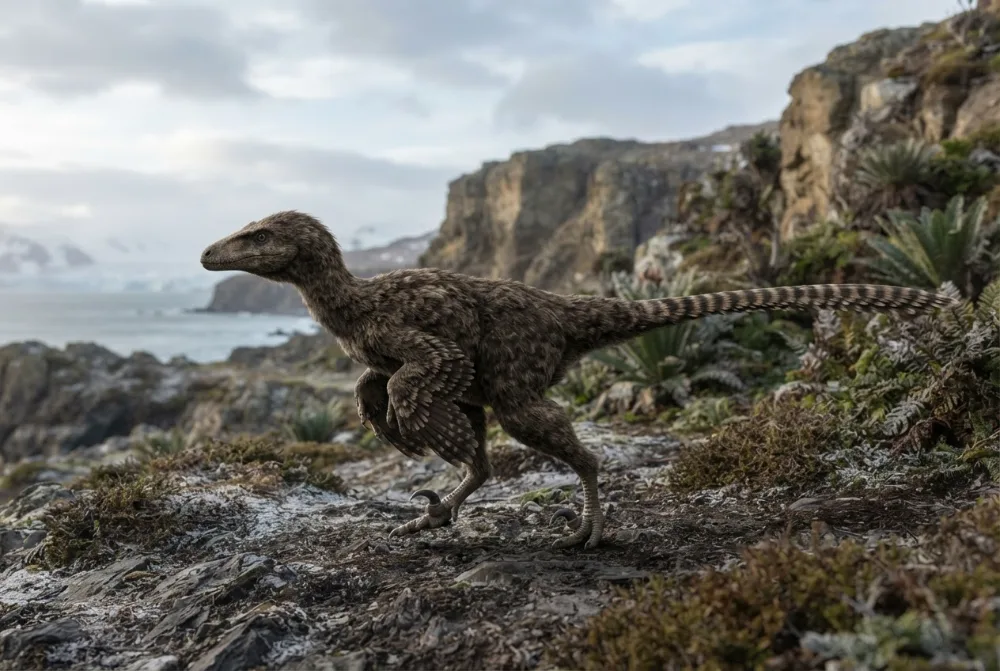
Imperobator was a meat-eating dinosaur that lived in Antarctica during the Late Cretaceous. It was one of only two non-bird theropods known from that icy continent. Scientists think it was a close cousin of the famous raptors like Velociraptor.1
Noiz bizi izan zen?
Zein handia zen?
Zein luzea zen?
Zein altua zen?
 3 txakur bezain luze, sudurretik buztanera🍌bata bestearen atzean jarritako 17 banana bezain luze🏃100 metro 7,2 segundotan egin zitzakeen korrika (gizakirik azkarrenak 9,6 behar ditu)
Zein handia zen Imperobator ZUREKIN alderatuta?
Zure nabigatzaileko kalkulu hutsak. Ez da ezer gordetzen ez inora bidaltzen.
Zein azkarra zen?


Datu dibertigarriak
Imperobator is one of only two non-avian theropod dinosaurs ever found in Antarctica.1
Its foot did not have the famous sickle claw that most raptors have, which surprised scientists.1
The first fossils were discovered in 2003 by a team from the University of California Museum of Paleontology.1
Imperobator lived about 71 million years ago, when Antarctica was warmer and covered in forests.1
It shared its home with the ornithopod dinosaur Morrosaurus and the bird Antarcticavis.1
Scientists are still debating whether Imperobator was a true dromaeosaur or a more primitive paravian.1
Imperobator: gehien egindako galderak
?How big was Imperobator?
Imperobator was about 2 to 3 metres long, similar in size to Deinonychus. It was originally thought to be much larger, like Utahraptor, but later studies showed it was smaller.1
?Did Imperobator have a sickle claw?
No, Imperobator did not have the famous sickle claw on its foot that most raptors have. This surprised scientists and helped them figure out it was not a true dromaeosaur.1
?What did Imperobator eat?
Imperobator was a meat-eating dinosaur. Its teeth were long, curved, and bladed, just like those of other carnivorous paravians.1
?Where was Imperobator found?
Imperobator was found on James Ross Island in Antarctica. The first fossils were discovered in 2003 by a team from the University of California Museum of Paleontology.1
?When did Imperobator live?
Imperobator lived about 71 million years ago, during the Late Cretaceous period. At that time, Antarctica was warmer and covered in forests.1
?Is Imperobator a dinosaur?
Yes, Imperobator is a non-avian theropod dinosaur. It is one of only two non-bird theropods ever found in Antarctica.1
Mito-hauslea
Mitoa: Imperobator had a sickle claw like Velociraptor.
Egia: Imperobator lacked the distinctive sickle claw on its foot, which sets it apart from typical dromaeosaurs.1
Dino adituentzat
- Izen zientifikoa
- Imperobator
- Izendatzailea:
- Ely and Case 20192
- Taldea
- Raptoreak
- Familia / klada
- Dromaeosauridae2
- Sailkapena
- Theropoda > Dromaeosauridae2
- Arroken adina
- 72 eta 66 milioi urte artean (Maastrichtian)2
- Arroka-formazioak
- Snow Hill Island2
- Herrialdeak
- Antartika2
- Fosil-erregistroak
- 1 The Paleobiology Database datu-basean2
- Aurkikuntza
- Imperobator was named by Ricardo Ely and Judd Case in 2019. The fossils were first found in 2003 on James Ross Island, Antarctica, and were initially thought to be a dromaeosaur.12
- Oraindik eztabaidagai
- Scientists are not sure whether Imperobator belongs to the dromaeosaur family or to a more primitive group of paravians.1
Datuak nondik datozen
- Imperobator (en.wikipedia.org)
- Imperobator in The Paleobiology Database (CC BY 4.0): adina, tokiak, arroka-formazioak, sailkapena.
Orrialde honetako datu bakoitzak zenbaki bat du, bere iturrira eramaten zaituena. Zerbait gaizki badugu, barkatu, dino-zaleak gara, ez zientzia-aldizkari bat. Idatzi [email protected] helbidera eta konponduko dugu.
 Rex gose da! Dino Wiki aita baten proiektua da, dinosauroak maite dituen bere semearentzat, doakoa, iragarkirik eta jarraitzailerik gabe. Helduek mokadutxo bat eman diezaiokete Rexi, sarean jarraitzen laguntzeko.Eman jaten Rexi
 Velociraptor
 Microraptor
 Deinonychus
 Asiamericana
 Richardoestesia
 Saurornitholestes
 Tyrannosaurus
 Triceratops
 Spinosaurus
 Ankylosaurus
 Parasaurolophus
 Pteranodon