 Zer dino zara? Galdetegia
 Dino borroka
 Dino lasterketa
 Dino minijokoak
 Pegatina-albuma
 Dino TOP zerrendak
 Harritu nazazu!
Pararhabdodon
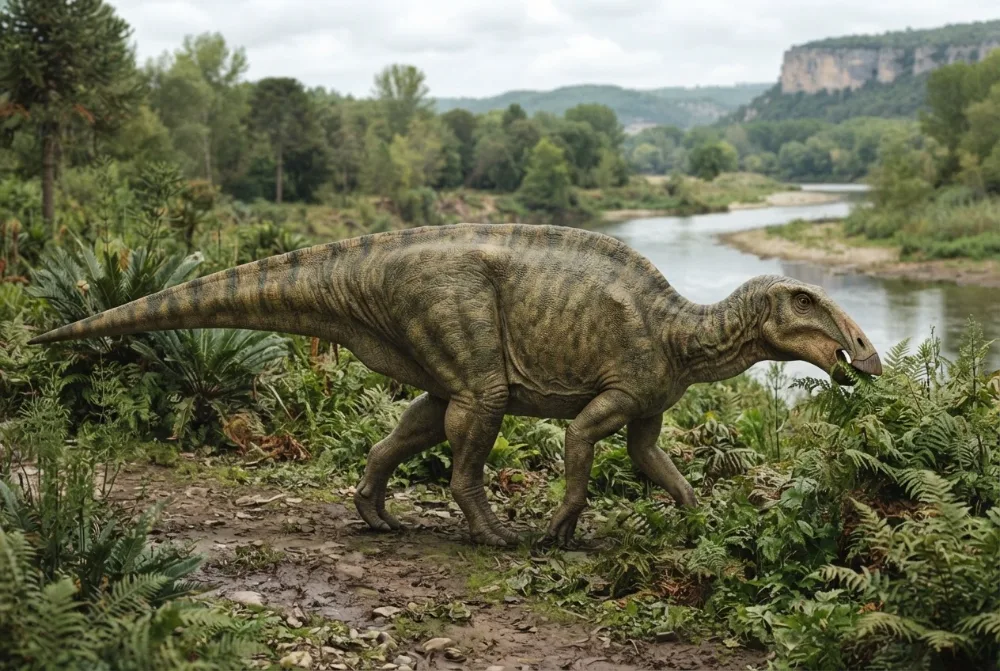
Pararhabdodon was a big duck-billed dinosaur that lived in Spain near the end of the Age of Dinosaurs. It walked on two legs or all fours and munched on plants with its toothy beak.1
Noiz bizi izan zen?
Zein handia zen?
Zein luzea zen?
 ilaran aparkatutako 2 auto bezain luze🍌bata bestearen atzean jarritako 50 banana bezain luze🏃100 metro 15 segundotan egin zitzakeen korrika (gizakirik azkarrenak 9,6 behar ditu)
Zein handia zen Pararhabdodon ZUREKIN alderatuta?
Zure nabigatzaileko kalkulu hutsak. Ez da ezer gordetzen ez inora bidaltzen.
Zein azkarra zen?


Datu dibertigarriak
Pararhabdodon was one of the very last non-bird dinosaurs, living just before the big extinction 66 million years ago.1
It was the first lambeosaurine hadrosaur ever found on the European continent.1
Even though it lived on an island, it did not shrink like some other island dinosaurs; it may have grown as large as its relatives in North America and Asia.1
Scientists think it could walk on two legs or on all fours, depending on what it was doing.1
Some bones from France and other Spanish sites were once thought to belong to Pararhabdodon, but later studies questioned those ideas.1
A bonebed called Basturs Poble has many hadrosaur bones, and some scientists thought they belonged to Pararhabdodon, but that is not certain.1
Pararhabdodon: gehien egindako galderak
?How big was Pararhabdodon?
The holotype specimen was about 6 metres (20 ft) long, but it was not fully grown. Adults likely reached around 9 metres (30 ft), similar to relatives like Corythosaurus and Tsintaosaurus.1
?What did Pararhabdodon eat?
It was a herbivore, meaning it ate plants. It used its toothy beak to munch on vegetation.1
?Where was Pararhabdodon found?
Its fossils were discovered in the Tremp Group of Spain, near Isona in the Pyrenees. Some bones from France were once thought to belong to it, but that is now questioned.1
?Is Pararhabdodon a dinosaur?
Yes, it is a dinosaur. Specifically, it is a lambeosaurine hadrosaurid, a type of duck-billed dinosaur.1
Mito-hauslea
Mitoa: Some people think Pararhabdodon was a small dinosaur because it lived on an island.
Egia: The holotype was not fully grown, and adults likely reached about 9 metres long, similar to other lambeosaurines.1
Dino adituentzat
- Izen zientifikoa
- Pararhabdodon
- Izendatzailea:
- Casanovas Cladellas 19922
- Taldea
- Ahate-mokoak
- Familia / klada
- Hadrosauridae2
- Sailkapena
- Ornithischia > Ornithopoda > Iguanodontia > Hadrosauridae2
- Arroken adina
- 72 eta 66 milioi urte artean (Maastrichtian)2
- Arroka-formazioak
- Conques, Talarn, La Posa2
- Herrialdeak
- Espainia2
- Fosil-erregistroak
- 7 The Paleobiology Database datu-basean2
- Aurkikuntza
- Fossils were first dug up in 1985 at Sant Romà d'Abella in Spain, and in 1993 scientists named the species Pararhabdodon isonensis.1
- Oraindik eztabaidagai
- Scientists still debate whether some other Spanish hadrosaurs, like Blasisaurus and Arenysaurus, were actually the same animal as Pararhabdodon.1
Datuak nondik datozen
- Pararhabdodon (en.wikipedia.org)
- Pararhabdodon in The Paleobiology Database (CC BY 4.0): adina, tokiak, arroka-formazioak, sailkapena.
Orrialde honetako datu bakoitzak zenbaki bat du, bere iturrira eramaten zaituena. Zerbait gaizki badugu, barkatu, dino-zaleak gara, ez zientzia-aldizkari bat. Idatzi [email protected] helbidera eta konponduko dugu.
 Rex gose da! Dino Wiki aita baten proiektua da, dinosauroak maite dituen bere semearentzat, doakoa, iragarkirik eta jarraitzailerik gabe. Helduek mokadutxo bat eman diezaiokete Rexi, sarean jarraitzen laguntzeko.Eman jaten Rexi
 Parasaurolophus
 Edmontosaurus
 Saurolophus
 Hypacrosaurus
 Corythosaurus
 Kritosaurus
 Tyrannosaurus
 Triceratops
 Velociraptor
 Spinosaurus
 Ankylosaurus
 Pteranodon