 Zer dino zara? Galdetegia
 Dino borroka
 Dino lasterketa
 Dino minijokoak
 Pegatina-albuma
 Dino TOP zerrendak
 Harritu nazazu!
Sektensaurus
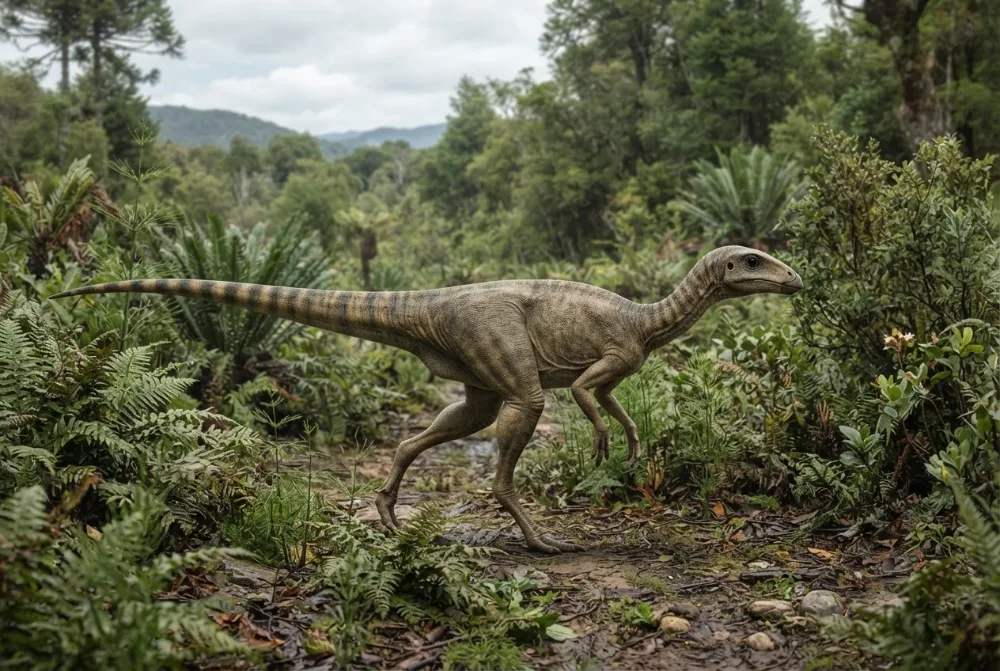
Sektensaurus was a medium-sized, plant-eating dinosaur that lived on an island in what is now Patagonia, Argentina. It walked on two legs and used its beak to munch on tough plants. It is one of the few dinosaurs known from this part of the world near the end of the Age of Dinosaurs.14
Noiz bizi izan zen?
Zein handia zen?
Zein luzea zen?
Zein altua zen?
Zein astuna zen?
 5 txakur bezain luze, sudurretik buztanera🍌bata bestearen atzean jarritako 29 banana bezain luze🍉66 angurria bezain astun🧸haur-eskolako 17 haur bezain astun🎒10 eskolaume bezain astun🏃100 metro 8,6 segundotan egin zitzakeen korrika (gizakirik azkarrenak 9,6 behar ditu)
Zein handia zen Sektensaurus ZUREKIN alderatuta?
Zure nabigatzaileko kalkulu hutsak. Ez da ezer gordetzen ez inora bidaltzen.
Zein azkarra zen?


Datu dibertigarriak
Sektensaurus is the first non-hadrosauroid ornithopod found in central Patagonia, meaning it was not a duck-billed dinosaur but a close relative.1
Its name comes from the Tehuelche word 'sekten' meaning 'island', because its fossils were found on an island that appears when the lake level is low.1
The fossils were discovered in 1993 by a palaeontologist named Marcello Luna, but the dinosaur wasn't named until 2019.1
Scientists think Sektensaurus lived about 68 to 66 million years ago, right before the big extinction that killed the non-bird dinosaurs.1
The skeleton was found in a small area, just 3 metres (about 10 feet) across, and all the bones belonged to one adult animal.1
Some bones that were first thought to be from the arm and leg were later re-identified, showing that scientists can change their minds about fossils.1
Sektensaurus: gehien egindako galderak
Mito-hauslea
Mitoa: Some people think Sektensaurus was a duck-billed dinosaur like Edmontosaurus.
Egia: Sektensaurus was an ornithopod, but it was not a hadrosauroid (duck-billed). It was a more primitive type, possibly an elasmarian.1
Dino adituentzat
- Izen zientifikoa
- Sektensaurus
- Izendatzailea:
- Ibiricu et al. 20194
- Taldea
- Landarejale mokodunak
- Familia / klada
- Elasmaria4
- Sailkapena
- Ornithischia > Ornithopoda > Iguanodontia4
- Arroken adina
- 84 eta 66 milioi urte artean (Campanian / Maastrichtian)4
- Arroka-formazioak
- Lago Colhué Huapi4
- Herrialdeak
- Argentina4
- Fosil-erregistroak
- 2 The Paleobiology Database datu-basean4
- Aurkikuntza
- The first fossils were found in 1993 by Marcello Luna on an island in Lago Colhué Huapi, Argentina. More bones were collected in 2017, and the dinosaur was named Sektensaurus sanjuanboscoi in 2019 by Ibiricu and colleagues.1
- Oraindik eztabaidagai
- Scientists are not sure if Sektensaurus was an elasmarian, a group of small ornithopods, because the fossils are incomplete and some bones were re-identified.1
Datuak nondik datozen
- Sektensaurus (en.wikipedia.org)
- Sektensaurus sanjuanboscoi (es.wikipedia.org)
- Sektensaurus sanjuanboscoi | Dinosaur Database by DinoAnimals.com (dinoanimals.com)
- Sektensaurus in The Paleobiology Database (CC BY 4.0): adina, tokiak, arroka-formazioak, sailkapena.
Orrialde honetako datu bakoitzak zenbaki bat du, bere iturrira eramaten zaituena. Zerbait gaizki badugu, barkatu, dino-zaleak gara, ez zientzia-aldizkari bat. Idatzi [email protected] helbidera eta konponduko dugu.
 Rex gose da! Dino Wiki aita baten proiektua da, dinosauroak maite dituen bere semearentzat, doakoa, iragarkirik eta jarraitzailerik gabe. Helduek mokadutxo bat eman diezaiokete Rexi, sarean jarraitzen laguntzeko.Eman jaten Rexi
 Iguanodon
 Tenontosaurus
 Thescelosaurus
 Zalmoxes
 Camptosaurus
 Rhabdodon
 Tyrannosaurus
 Triceratops
 Velociraptor
 Spinosaurus
 Ankylosaurus
 Parasaurolophus