 חידון: איזה דינוזאור מסתתר בך?
 קרב דינוזאורים
 מרוץ דינוזאורים
 מיני־משחקים של דינוזאורים
 אלבום מדבקות
 רשימות הטופ של הדינוזאורים
 להפתיע אותי!
Cuspicephalus
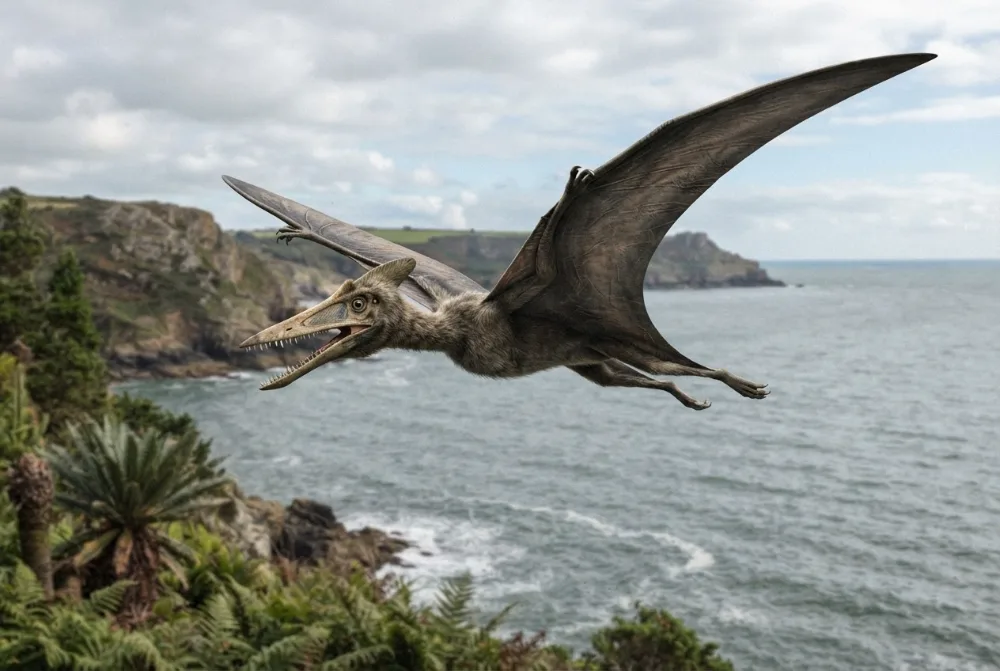
Cuspicephalus was a flying reptile that lived near the sea in what is now England. It had a very long, pointy skull and caught fish with its many teeth.23
מתי הוא חי?
כמה גדול הוא היה?
כמה רחבות היו הכנפיים שלו?
 ארוך כמו 4 חתולי בית מהאף עד הזנב⚽יכול לעוף לאורך מגרש כדורגל שלם ב־8.4 שניות
כמה גדול היה Cuspicephalus לעומתך?
רק חשבון בדפדפן שלך. שום דבר לא נשמר ולא נשלח לשום מקום.
כמה מהר הוא היה?


עובדות כיפיות
Cuspicephalus had a skull that was almost five and a half times longer than it was tall. That is the most extreme ratio of any pterosaur.2
Its name means 'pointed head' and it was named after the cartoonist Gerald Scarfe, whose drawings often have very pointy noses.1
Cuspicephalus is one of the first non-pterodactyloid monofenestratan pterosaurs found outside China.1
The only known fossil is a flattened skull found on a beach at Kimmeridge Bay, part of the Jurassic Coast World Heritage Site.21
Cuspicephalus had at least 12 or 13 pairs of teeth in front of a large hole in its skull called the nasoantorbital fenestra.1
השאלות הנפוצות ביותר על Cuspicephalus
למומחי דינוזאורים
- שם מדעי
- Cuspicephalus
- קיבל את שמו מ
- Martill and Etches 20133
- קבוצה
- זוחלים מעופפים
- משפחה / ענף
- Monofenestrata3
- סיווג
- Pterosauria3
- גיל הסלעים
- 155 עד 152 מיליון שנה (Kimmeridgian)3
- תצורות סלע
- Kimmeridge Clay3
- מדינות
- בריטניה3
- ממצאי מאובנים
- 1 ב־The Paleobiology Database3
- גילוי
- Fossil collector Steve Etches found the partial skull in December 2009 at Kimmeridge Bay, Dorset, England. Scientists David Martill and Steve Etches named it Cuspicephalus scarfi in 2013.21
- עדיין שנוי במחלוקת
- Scientists are not sure whether Cuspicephalus was more closely related to Darwinopterus or to pterodactyloids like Germanodactylus.1
מאיפה מגיעות העובדות
- A new monofenestratan pterosaur from the Kimmeridge (app.pan.pl)
- Cuspicephalus (en.wikipedia.org)
- Cuspicephalus in The Paleobiology Database (CC BY 4.0): גיל, מקומות, תצורות סלע, סיווג.
לכל עובדה בעמוד הזה יש מספר שמוביל למקור שלה. אם טעינו במשהו, סליחה, אנחנו חובבי דינוזאורים, לא כתב עת מדעי. אפשר לכתוב לנו ל־[email protected] ואנחנו נתקן.
 רקס רעב! Dino Wiki הוא פרויקט של אבא בשביל הבן שלו שמת על דינוזאורים, בחינם, בלי פרסומות ובלי מעקב. מבוגרים יכולים להאכיל את רקס בחטיף כדי לעזור לו להישאר באוויר.להאכיל את רקס
 Pteranodon
 Quetzalcoatlus
 Dorygnathus
 Rhamphorhynchus
 Anhanguera
 Pterodactylus
 Brachiosaurus
 Diplodocus
 Allosaurus
 Brontosaurus
 Compsognathus
 Camarasaurus