 חידון: איזה דינוזאור מסתתר בך?
 קרב דינוזאורים
 מרוץ דינוזאורים
 מיני־משחקים של דינוזאורים
 אלבום מדבקות
 רשימות הטופ של הדינוזאורים
 להפתיע אותי!
Kamuysaurus
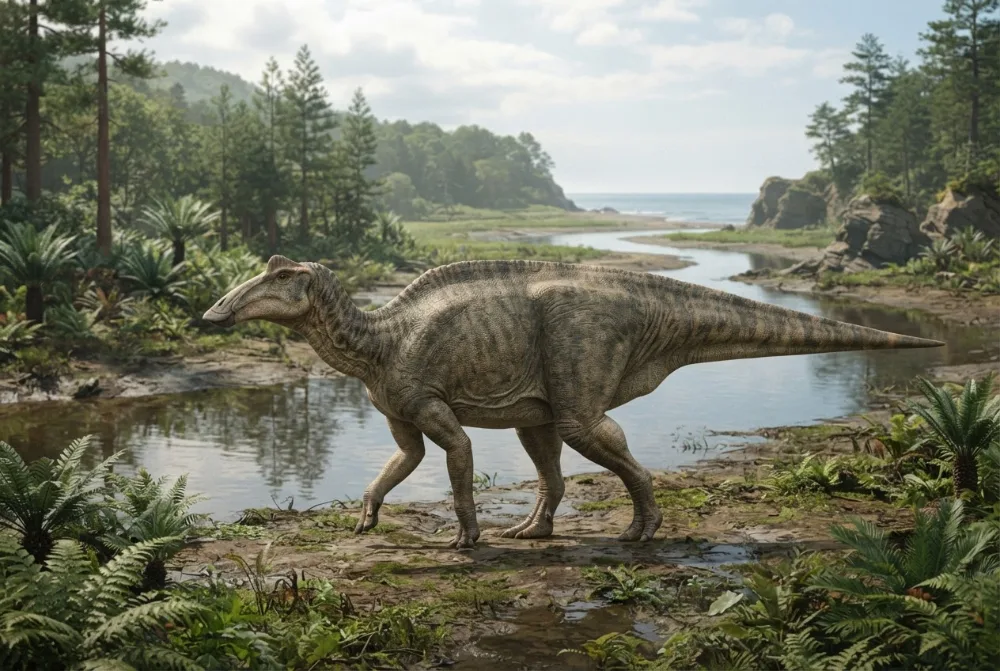
Kamuysaurus was a duck-billed dinosaur that lived in what is now Japan. It had a flat, toothless beak and hundreds of cheek teeth for chewing plants. This dinosaur is one of the most complete skeletons ever found in Japan.12
מתי הוא חי?
כמה גדול הוא היה?
כמה ארוך הוא היה?
כמה גבוה הוא היה?
הערכה
כמה כבד הוא היה?
 ארוך כמו 2 מכוניות חונות בשורה🍌ארוך כמו 50 בננות בשורה
 כבד בערך כמו פיל🍉כבד כמו 1000 אבטיחים🎒כבד כמו 6 כיתות שלמות של ילדים🐻❄️כבד כמו 11 דובי קוטב🏃יכול לרוץ 100 מטר ב־16 שניות (האדם הכי מהיר צריך 9.6)
כמה גדול היה Kamuysaurus לעומתך?
רק חשבון בדפדפן שלך. שום דבר לא נשמר ולא נשלח לשום מקום.
כמה מהר הוא היה?


עובדות כיפיות
The skeleton is over 60% complete and includes the skull, making it one of the most complete dinosaur skeletons from Japan.1
It lived about 72 to 70 million years ago during the early Maastrichtian age.1
Kamuysaurus belongs to a group of duck-billed dinosaurs called Edmontosaurini, which also includes Edmontosaurus.2
The dinosaur was named after the Ainu word 'kamuy', meaning deity or god.1
It was an adult at least nine years old when it died.1
השאלות הנפוצות ביותר על Kamuysaurus
?How big was Kamuysaurus?
It was about 8 metres long and weighed 4 to 5.3 tonnes.1
?What did Kamuysaurus eat?
It was a plant-eater. It had a toothless beak and rows of cheek teeth for chewing tough plants.1
?When did Kamuysaurus live?
It lived about 72 to 70 million years ago, during the early Maastrichtian age of the Late Cretaceous.1
?Was Kamuysaurus a dinosaur?
Yes, it was a duck-billed dinosaur called a hadrosaur, but it was not a meat-eater.1
?Did Kamuysaurus have a crest?
It may have had a small, flat crest on its head, similar to the crest of Brachylophosaurus.24
?Where was Kamuysaurus found?
It was found in marine rocks in Hokkaido, Japan. Its body likely washed out to sea after it died.1
למומחי דינוזאורים
- שם מדעי
- Kamuysaurus
- קיבל את שמו מ
- Kobayashi et al. 20195
- קבוצה
- מקורי ברווז
- משפחה / ענף
- Hadrosauridae5
- סיווג
- Ornithischia > Ornithopoda > Iguanodontia > Hadrosauridae5
- גיל הסלעים
- 72 עד 66 מיליון שנה (Maastrichtian)5
- תצורות סלע
- Hakobuchi5
- מדינות
- יפן5
- ממצאי מאובנים
- 1 ב־The Paleobiology Database5
- גילוי
- Amateur paleontologist Yoshiyuki Horita found the tail in 2003. Teams from the Hobetsu Museum and Hokkaido University Museum dug up the rest of the skeleton in 2013 and 2014. It was named Kamuysaurus japonicus in 2019 by Yoshitsugu Kobayashi and colleagues.12
- עדיין שנוי במחלוקת
- Scientists are not sure if Kamuysaurus had a small crest on its head, because the bones at the front of the skull are missing.2
מאיפה מגיעות העובדות
- Kamuysaurus (en.wikipedia.org)
- A New Hadrosaurine (Dinosauria: Hadrosauridae) from the Marine Deposits of the Late Cretaceous Hakobuchi Formation, Yezo Group, Japan | Scientific Reports (nature.com)
- PBDB Taxon (paleobiodb.org)
- A new duck-billed dinosaur, Kamuysaurus japonicus, identified | Hokkaido University (global.hokudai.ac.jp)
- Kamuysaurus in The Paleobiology Database (CC BY 4.0): גיל, מקומות, תצורות סלע, סיווג.
לכל עובדה בעמוד הזה יש מספר שמוביל למקור שלה. אם טעינו במשהו, סליחה, אנחנו חובבי דינוזאורים, לא כתב עת מדעי. אפשר לכתוב לנו ל־[email protected] ואנחנו נתקן.
 רקס רעב! Dino Wiki הוא פרויקט של אבא בשביל הבן שלו שמת על דינוזאורים, בחינם, בלי פרסומות ובלי מעקב. מבוגרים יכולים להאכיל את רקס בחטיף כדי לעזור לו להישאר באוויר.להאכיל את רקס
 Parasaurolophus
 Edmontosaurus
 Saurolophus
 Hypacrosaurus
 Corythosaurus
 Kritosaurus
 Tyrannosaurus
 Triceratops
 Velociraptor
 Spinosaurus
 Ankylosaurus
 Pteranodon