 Ո՞ր դինոն ես դու։ Թեստ
 Դինո մարտ
 Դինո մրցավազք
 Դինո մինի խաղեր
 Սթիքերների ալբոմ
 Դինո ԹՈՓ ցուցակներ
 Զարմացրու ինձ!
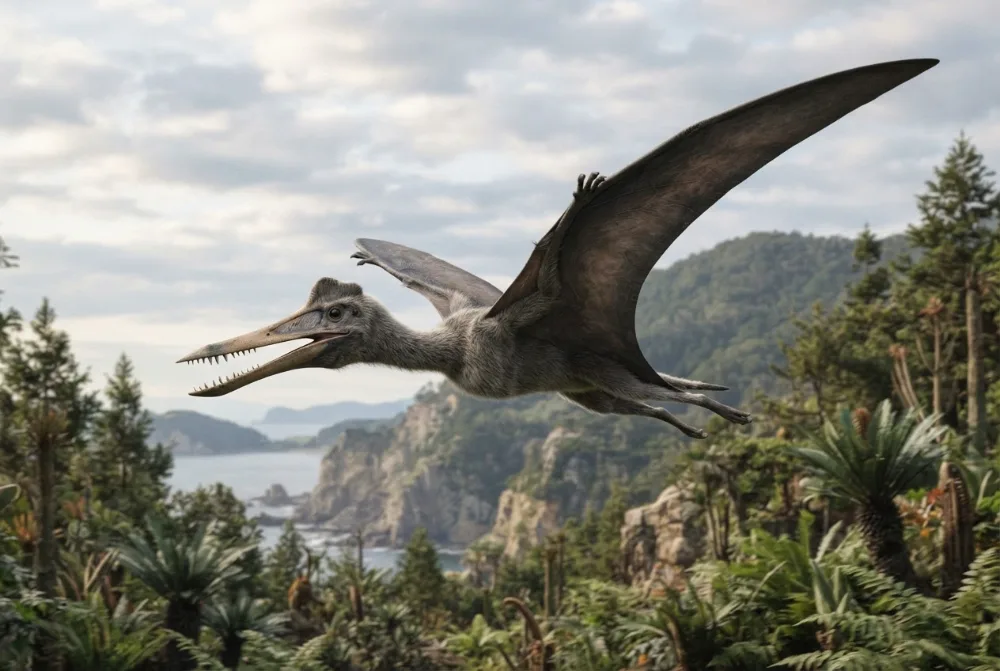
Dsungaripterus
Dsungaripterus was a flying reptile with long, narrow, upturned jaws that worked like tweezers. It used its toothless beak tip to poke into cracks and grab hard-shelled prey, then crushed them with flat, knobbly teeth at the back of its mouth.12
Ե՞րբ է այն ապրել։
Որքա՞ն մեծ էր այն։
Որքա՞ն լայն էին նրա թևերը։
 թևերը՝ իրար հետևից շարված 2 հեծանիվի չափ լայն⚽կարող էր թռչել մի ամբողջ ֆուտբոլի դաշտի վրայով 6,4 վայրկյանում
Dsungaripterus. որքա՞ն մեծ էր այն ՔԵԶ համեմատ։
Պարզապես մաթեմատիկա քո դիտարկիչում։ Ոչինչ չի պահպանվում և ոչ մի տեղ չի ուղարկվում։
Որքա՞ն արագ էր այն։


Զվարճալի փաստեր
Dsungaripterus had a skull over 46 centimeters (18 inches) long, and its head and neck together were almost 1 meter (3.3 feet) long.1
Its jaws curved upward at the tip, and the front part had no teeth, probably covered by a horny sheath.2
It had bulbous, flat teeth at the back of its jaws, perfect for crushing the armor of shellfish.1
The bones of Dsungaripterus were thick-walled and sturdy, suggesting it spent a lot of time walking on the ground.1
It likely landed abruptly and flapped a lot, rather than soaring for long distances.1
Dsungaripterus had a low bony crest on top of its skull, running from the base of the skull to halfway to the beak.1
Fossils show grooves on the jaws that might have held a horny covering, protecting the beak while it probed for food.2
Ամենահաճախ տրվող հարցերը Dsungaripterus կենդանու մասին
?How big was Dsungaripterus?
Dsungaripterus had a wingspan of 3 to 3.5 metres (9.8 to 11.5 feet). Its skull was over 46 centimetres (18 inches) long, and its head and neck together were almost 1 metre (3.3 feet) long.1
?What did Dsungaripterus eat?
It ate hard-shelled prey like shellfish. It used its toothless, upturned beak tip to poke into cracks and grab food, then crushed shells with its flat, knobbly back teeth.12
?Was Dsungaripterus a dinosaur?
No, Dsungaripterus was a pterosaur, a flying reptile, not a dinosaur. Pterosaurs were the first vertebrates to evolve powered flight.3
?Why did Dsungaripterus have an upturned beak?
The upturned, toothless beak tip was probably used to probe and remove prey from cracks in rocks or sandy, muddy environments. It may have been covered by a horny sheath for protection.12
?Could Dsungaripterus walk on the ground?
Yes, its thick-walled, sturdy bones suggest it was mostly terrestrial and spent a lot of time walking on the ground. Pterosaurs could walk on all four limbs.13
?When did Dsungaripterus live?
Dsungaripterus lived during the Early Cretaceous period, about 145 to 100 million years ago. Its fossils were found in China and possibly South Korea.1
Առասպելների որսորդ
Առասպել. Dsungaripterus is often called a dinosaur.
Ճշմարտություն. It was actually a pterosaur, a flying reptile that lived alongside dinosaurs but is not a dinosaur.1
Դինո փորձագետների համար
- Գիտական անվանում
- Dsungaripterus
- Անվանել է
- Young 19644
- Խումբ
- Թռչող սողուններ
- Ընտանիք / կլադ
- Dsungaripteridae4
- Դասակարգում
- Pterosauria > Pterodactyloidea4
- Ապարների տարիքը
- 137-ից 121 միլիոն տարի (Valanginian / Barremian)4
- Ապարային շերտախմբեր
- Lianmuqin, Tsagaantsav, Hutubihe4
- Երկրներ
- Չինաստան, Մոնղոլիա4
- Բրածո գտածոներ
- 4 գրառում The Paleobiology Database-ում4
- Հայտնաբերում
- Dsungaripterus was named by Yang Zhongjian in 1964, based on a partial skull and skeleton from the Lianmuqin Formation in China. The species name weii honors paleontologist C.M. Wei.1
- Դեռ վիճելի է
- Scientists are still debating whether Dsungaripterus and Noripterus lived in the same place at the same time, or in different layers.2
Որտեղից են փաստերը
- Dsungaripterus (en.wikipedia.org)
- New anatomical information on Dsungaripterus weii Young, 1964 with focus on the palatal region (pmc.ncbi.nlm.nih.gov)
- Pterosaurs: The truth about these ‘flying dinosaurs’ | Natural History Museum (nhm.ac.uk)
- Dsungaripterus in The Paleobiology Database (CC BY 4.0): տարիք, վայրեր, ապարային շերտախմբեր, դասակարգում։
Այս էջի ամեն փաստ ունի համար, որը ցույց է տալիս դրա աղբյուրը։ Եթե ինչ-որ բան սխալ ենք գրել, ներողություն, մենք դինոսերներ ենք, ոչ թե գիտական ամսագիր։ Գրիր մեզ [email protected] հասցեով, և մենք կուղղենք։
 Ռեքսը սոված է! Dino Wiki-ն մի հայրիկի նախագիծ է իր դինոսեր որդու համար՝ անվճար, առանց գովազդի և առանց հետևիչների։ Մեծերը կարող են Ռեքսին մի համեղ բան տալ, որ կայքը շարունակի աշխատել։Կերակրիր Ռեքսին
 Pteranodon
 Quetzalcoatlus
 Dorygnathus
 Rhamphorhynchus
 Anhanguera
 Pterodactylus
 Stegosaurus
 Iguanodon
 Archaeopteryx
 Giganotosaurus
 Microraptor
 Deinonychus