 Ո՞ր դինոն ես դու։ Թեստ
 Դինո մարտ
 Դինո մրցավազք
 Դինո մինի խաղեր
 Սթիքերների ալբոմ
 Դինո ԹՈՓ ցուցակներ
 Զարմացրու ինձ!
Harpactognathus
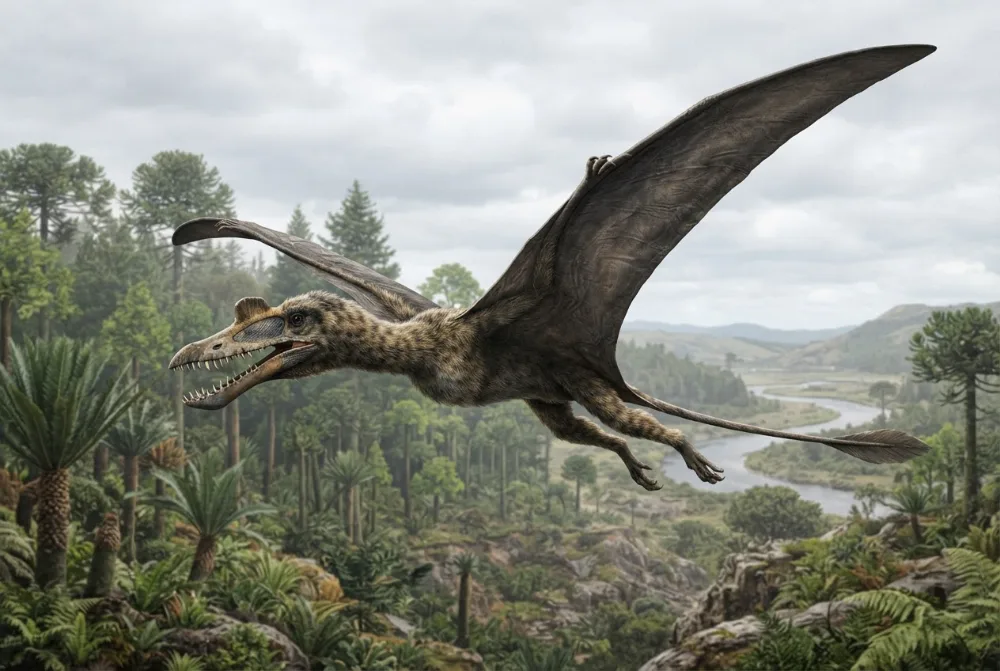
Harpactognathus was a large flying reptile that lived during the Jurassic period. It had a strong, wide beak and sharp teeth for grabbing prey. This pterosaur was one of the biggest of its kind that did not belong to the short-tailed pterodactyl group.1
Ե՞րբ է այն ապրել։
Որքա՞ն մեծ էր այն։
Որքա՞ն լայն էին նրա թևերը։
 թևերը՝ իրար հետևից շարված 1,5 հեծանիվի չափ լայն⚽կարող էր թռչել մի ամբողջ ֆուտբոլի դաշտի վրայով 7,3 վայրկյանում
Harpactognathus. որքա՞ն մեծ էր այն ՔԵԶ համեմատ։
Պարզապես մաթեմատիկա քո դիտարկիչում։ Ոչինչ չի պահպանվում և ոչ մի տեղ չի ուղարկվում։
Որքա՞ն արագ էր այն։


Զվարճալի փաստեր
Harpactognathus is known from only a partial skull and a few other bones, so scientists are still learning about its full appearance.1
It had a crest on the front of its skull that might have been used for display to attract mates or show off to rivals.1
With a wingspan of about 2.5 metres (8.2 feet), Harpactognathus was among the largest non-pterodactyloid pterosaurs.1
Its fossils were found in the Morrison Formation, the same rock layer that contains famous dinosaurs like Stegosaurus and Diplodocus.1
Unlike many other pterosaurs that ate fish, Harpactognathus probably hunted small animals on land near rivers and lakes.1
The name Harpactognathus comes from Greek words meaning 'seizing jaw', which describes its strong, grabbing beak.1
Ամենահաճախ տրվող հարցերը Harpactognathus կենդանու մասին
?Was Harpactognathus a dinosaur?
No, Harpactognathus was a pterosaur, a flying reptile, not a dinosaur.1
?How big was Harpactognathus?
It had an estimated wingspan of about 2.5 metres (8.2 feet) and a skull length of 280 to 300 millimetres (11 to 12 inches).1
?What did Harpactognathus eat?
It was a terrestrial carnivore that probably hunted small animals on land near rivers and lakes, not fish like many other pterosaurs.1
?Where was Harpactognathus found?
Its fossils were found in the Morrison Formation in Wyoming, USA, the same rock layer as Stegosaurus and Diplodocus.1
?Did Harpactognathus have a crest?
Yes, it had a thin crest on the front of its skull that may have been used for display to attract mates or show off to rivals.1
?When did Harpactognathus live?
It lived during the Kimmeridgian stage of the Late Jurassic period, about 157 to 152 million years ago.1
Առասպելների որսորդ
Առասպել. Harpactognathus is often thought to be a dinosaur.
Ճշմարտություն. Harpactognathus was a pterosaur, a flying reptile that is not a dinosaur.1
Դինո փորձագետների համար
- Գիտական անվանում
- Harpactognathus
- Անվանել է
- Carpenter et al. 20032
- Խումբ
- Թռչող սողուններ
- Ընտանիք / կլադ
- Lonchognatha2
- Դասակարգում
- Pterosauria2
- Ապարների տարիքը
- 152-ից 145 միլիոն տարի (Kimmeridgian / Tithonian)2
- Ապարային շերտախմբեր
- Morrison2
- Երկրներ
- ԱՄՆ2
- Բրածո գտածոներ
- 1 գրառում The Paleobiology Database-ում2
- Հայտնաբերում
- Harpactognathus was named in 2003 by paleontologist Kenneth Carpenter and his team. The first fossil, a partial snout, was found in 1996 at Bone Cabin Quarry in Wyoming, USA. The species name honors Joe Gentry, a volunteer who helped with fossil preparation.1
- Դեռ վիճելի է
- Scientists are not sure whether Harpactognathus belongs to the scaphognathine or rhamphorhynchine group of pterosaurs, because its fossils are so incomplete.1
Որտեղից են փաստերը
- Harpactognathus (en.wikipedia.org)
- Harpactognathus in The Paleobiology Database (CC BY 4.0): տարիք, վայրեր, ապարային շերտախմբեր, դասակարգում։
Այս էջի ամեն փաստ ունի համար, որը ցույց է տալիս դրա աղբյուրը։ Եթե ինչ-որ բան սխալ ենք գրել, ներողություն, մենք դինոսերներ ենք, ոչ թե գիտական ամսագիր։ Գրիր մեզ [email protected] հասցեով, և մենք կուղղենք։
 Ռեքսը սոված է! Dino Wiki-ն մի հայրիկի նախագիծ է իր դինոսեր որդու համար՝ անվճար, առանց գովազդի և առանց հետևիչների։ Մեծերը կարող են Ռեքսին մի համեղ բան տալ, որ կայքը շարունակի աշխատել։Կերակրիր Ռեքսին
 Pteranodon
 Quetzalcoatlus
 Dorygnathus
 Rhamphorhynchus
 Anhanguera
 Pterodactylus
 Brachiosaurus
 Diplodocus
 Allosaurus
 Brontosaurus
 Compsognathus
 Camarasaurus