 Ո՞ր դինոն ես դու։ Թեստ
 Դինո մարտ
 Դինո մրցավազք
 Դինո մինի խաղեր
 Սթիքերների ալբոմ
 Դինո ԹՈՓ ցուցակներ
 Զարմացրու ինձ!
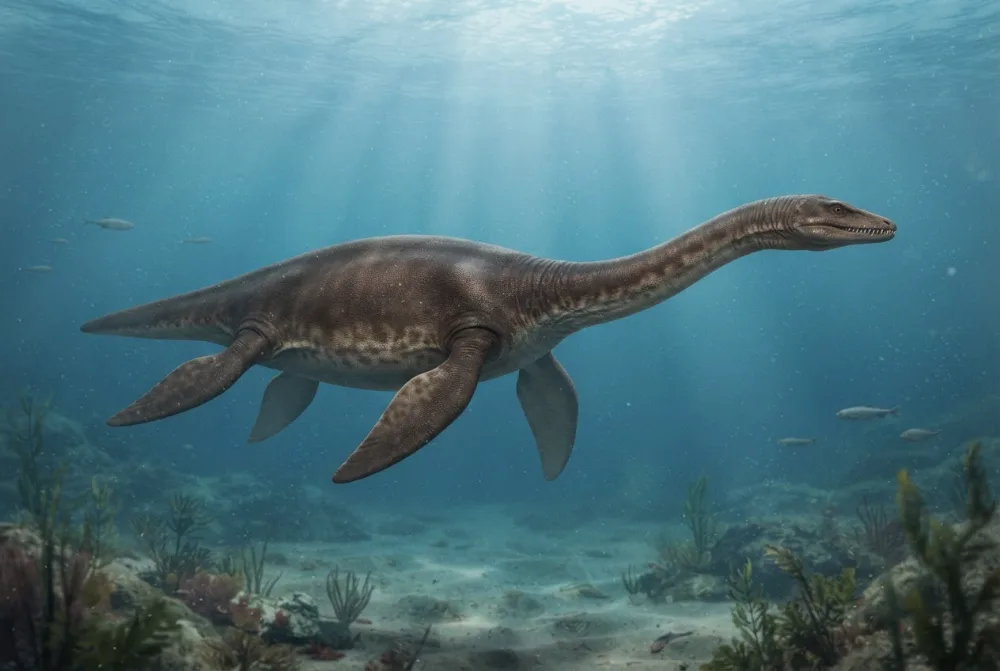
Lusonectes
Lusonectes was a marine reptile that swam in the warm Jurassic seas near what is now Portugal. It had a long snout and sharp teeth to catch fish and other slippery prey.2
Ե՞րբ է այն ապրել։
Որքա՞ն արագ էր այն։


Զվարճալի փաստեր
Lusonectes is the only plesiosaur from Portugal that scientists can identify as a distinct species.1
Its name comes from Latin and Greek words meaning 'Portuguese swimmer'.1
The only fossil found is a partial skull, which is about 127 millimeters (5 inches) long.1
Lusonectes lived about 184 to 175 million years ago, during the Early Jurassic period.3
It was first described in 1897 by French paleontologist Henri Émile Sauvage, who thought it was a Plesiosaurus.2
Lusonectes is one of the few plesiosaurs from the Early Jurassic found outside the United Kingdom and Germany.2
Դինո փորձագետների համար
- Գիտական անվանում
- Lusonectes
- Անվանել է
- Smith et al. 20123
- Խումբ
- Պլեզիոզավրեր
- Ընտանիք / կլադ
- Plesiosauridae3
- Դասակարգում
- Plesiosauria > Sauropterygia3
- Ապարների տարիքը
- 184-ից 175 միլիոն տարի (Toarcian)3
- Ապարային շերտախմբեր
- São Gião3
- Երկրներ
- Պորտուգալիա3
- Բրածո գտածոներ
- 1 գրառում The Paleobiology Database-ում3
- Հայտնաբերում
- The fossil was first described in 1897 by French paleontologist Henri Émile Sauvage, who called it Plesiosaurus sp. In 2012, scientists Smith, Araújo, and Mateus gave it the new name Lusonectes sauvagei.2
- Դեռ վիճելի է
- Scientists are not sure whether Lusonectes was an early pliosaurid or a plesiosauroid, because the only fossil is a poorly preserved partial skull.2
Որտեղից են փաստերը
- A new plesiosauroid from the Toarcian (Lower Jurassic) (app.pan.pl)
- The osteology, taxonomy, and phylogenetic affinities of the Early Jurassic plesiosaur Lusonectes sauvagei - PMC (pmc.ncbi.nlm.nih.gov)
- Lusonectes in The Paleobiology Database (CC BY 4.0): տարիք, վայրեր, ապարային շերտախմբեր, դասակարգում։
Այս էջի ամեն փաստ ունի համար, որը ցույց է տալիս դրա աղբյուրը։ Եթե ինչ-որ բան սխալ ենք գրել, ներողություն, մենք դինոսերներ ենք, ոչ թե գիտական ամսագիր։ Գրիր մեզ [email protected] հասցեով, և մենք կուղղենք։
 Ռեքսը սոված է! Dino Wiki-ն մի հայրիկի նախագիծ է իր դինոսեր որդու համար՝ անվճար, առանց գովազդի և առանց հետևիչների։ Մեծերը կարող են Ռեքսին մի համեղ բան տալ, որ կայքը շարունակի աշխատել։Կերակրիր Ռեքսին
 Elasmosaurus
 Pliosaurus
 Plesiosaurus
 Cimoliasaurus
 Colymbosaurus
 Trinacromerum
 Dilophosaurus
 Stenopterygius
 Dorygnathus
 Lufengosaurus
 Scutellosaurus
 Yunnanosaurus