 Ո՞ր դինոն ես դու։ Թեստ
 Դինո մարտ
 Դինո մրցավազք
 Դինո մինի խաղեր
 Սթիքերների ալբոմ
 Դինո ԹՈՓ ցուցակներ
 Զարմացրու ինձ!
Navaornis
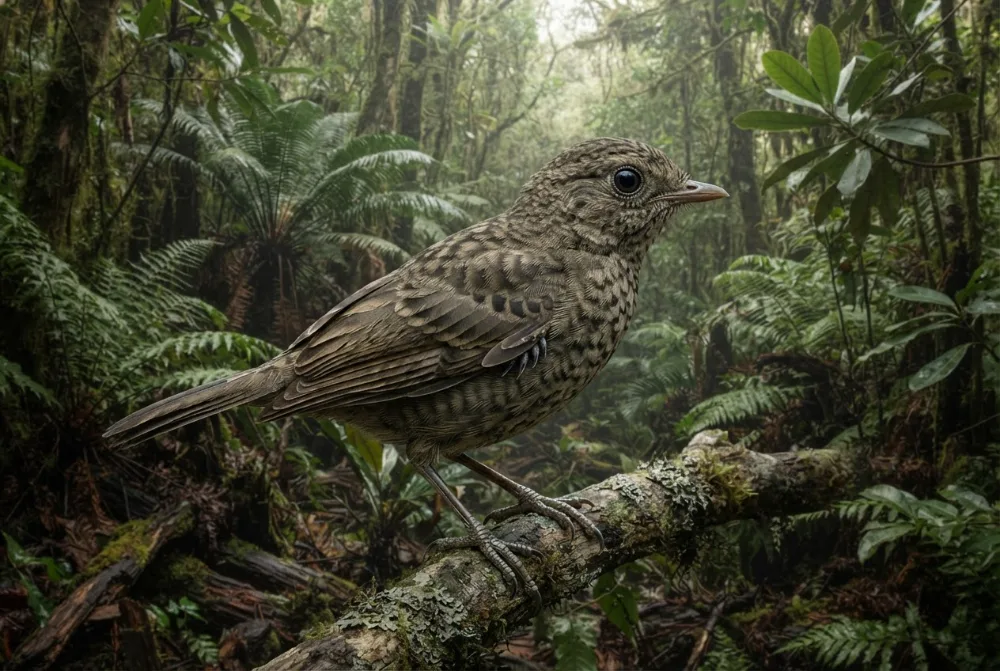
Navaornis was a starling-sized bird that lived about 80 million years ago in what is now Brazil. It had a toothless, large-eyed skull that looked almost like a modern bird, but it belonged to an ancient group called enantiornithines. Its beautifully preserved skull let scientists see inside its brain for the first time in such an old bird.12
Ե՞րբ է այն ապրել։
Որքա՞ն արագ էր այն։


Զվարճալի փաստեր
Navaornis had a toothless skull with large eyes, just like many birds today, but its brain still had some ancient features like a small cerebellum and a weakly expanded telencephalon.1
Its skull is the best-preserved Mesozoic bird skull ever found, preserved in three dimensions without being flattened.1
The fossil site where Navaornis was found is very small, only about 6 square meters, but it has yielded hundreds of enantiornithine bird bones.1
Navaornis belongs to a group called Enantiornithes, which were the most diverse birds of the Mesozoic and lived on every continent except Antarctica.12
Its inner ear (bony labyrinth) was shaped like that of many modern birds but was much larger.1
Դինո փորձագետների համար
- Գիտական անվանում
- Navaornis
- Անվանել է
- Chiappe et al. 20243
- Խումբ
- Վաղ թռչուններ
- Ընտանիք / կլադ
- Enantiornithes3
- Դասակարգում
- Theropoda > Avialae3
- Ապարների տարիքը
- 84-ից 66 միլիոն տարի (Campanian / Maastrichtian)3
- Ապարային շերտախմբեր
- Adamantina3
- Երկրներ
- Բրազիլիա3
- Բրածո գտածոներ
- 1 գրառում The Paleobiology Database-ում3
- Հայտնաբերում
- The fossil site was discovered in 2004 by William Nava, and the holotype skull was found in 2016. The species was named Navaornis hestiae by Chiappe and colleagues in 2024.13
- Դեռ վիճելի է
- Scientists are still debating exactly how Navaornis is related to other enantiornithines, because its toothless skull and modern-looking head make it hard to place in the family tree.1
Որտեղից են փաստերը
- Cretaceous bird from Brazil informs the evolution of the avian skull and brain | Nature (nature.com)
- Cretaceous bird from Brazil informs the evolution of the avian skull and brain (pmc.ncbi.nlm.nih.gov)
- Navaornis in The Paleobiology Database (CC BY 4.0): տարիք, վայրեր, ապարային շերտախմբեր, դասակարգում։
Այս էջի ամեն փաստ ունի համար, որը ցույց է տալիս դրա աղբյուրը։ Եթե ինչ-որ բան սխալ ենք գրել, ներողություն, մենք դինոսերներ ենք, ոչ թե գիտական ամսագիր։ Գրիր մեզ [email protected] հասցեով, և մենք կուղղենք։
 Ռեքսը սոված է! Dino Wiki-ն մի հայրիկի նախագիծ է իր դինոսեր որդու համար՝ անվճար, առանց գովազդի և առանց հետևիչների։ Մեծերը կարող են Ռեքսին մի համեղ բան տալ, որ կայքը շարունակի աշխատել։Կերակրիր Ռեքսին
 Archaeopteryx
 Hesperornis
 Ichthyornis
 Baptornis
 Jurapteryx
 Gobipteryx
 Tyrannosaurus
 Triceratops
 Velociraptor
 Spinosaurus
 Ankylosaurus
 Parasaurolophus