 რომელი დინო ხარ? ქვიზი
 დინოების ბრძოლა
 დინოების რბოლა
 დინო მინი-თამაშები
 სტიკერების ალბომი
 დინო TOP სიები
 გამაოცე!
Balaenognathus
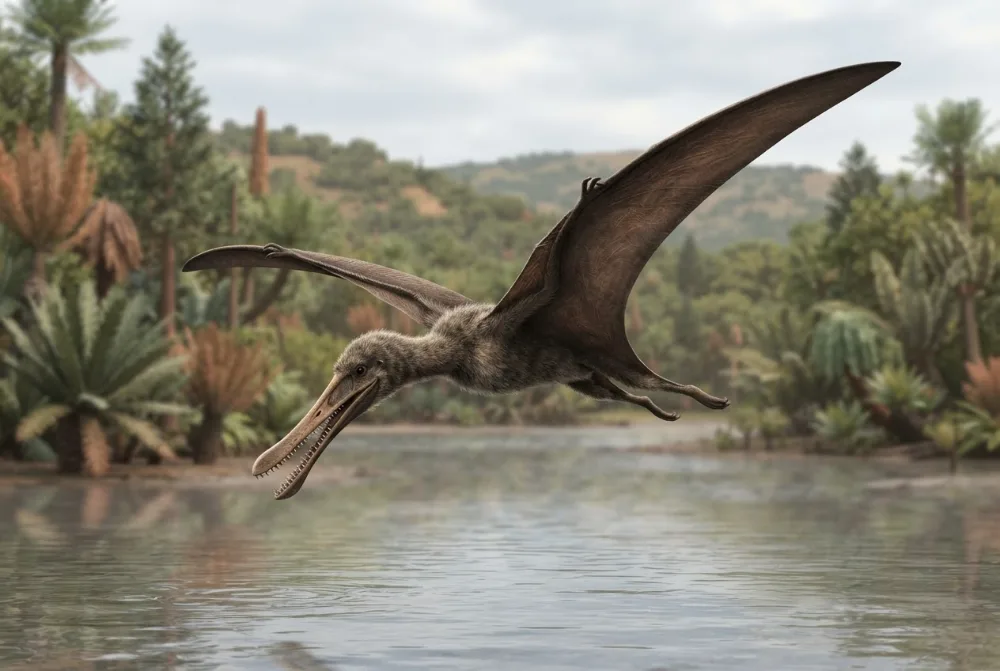
Balaenognathus was a flying reptile that lived about 150 million years ago. It had a strange, spoon-shaped snout with hundreds of tiny hooked teeth. It used its beak like a strainer to scoop up tiny shrimp from the water, just like a modern flamingo.12
როდის ცხოვრობდა?
რამხელა იყო?
რამდენად გრძელი იყო?
 2 შინაური კატის სიგრძის, ცხვირიდან კუდამდე🍌6 მწკრივად დალაგებული ბანანის სიგრძის⚽მთელ ფეხბურთის მოედანს 9,9 წამში გადაუფრენდა
რამხელა იყო Balaenognathus შენთან შედარებით?
უბრალოდ მათემატიკა შენს ბრაუზერში. არაფერი ინახება და არსად იგზავნება.
რამდენად სწრაფი იყო?


სახალისო ფაქტები
Balaenognathus had at least 480 teeth, more than most other pterosaurs.1
The tips of its teeth had tiny hooks, which have never been seen in any other pterosaur. These hooks helped trap shrimp so they couldn't escape.12
The front of its snout was shaped like a spatula and had no teeth, so water could flow in easily.1
Its upper jaw was more curved than its lower jaw, so its mouth stayed slightly open at the front even when closed.1
The fossil was found by accident in a quarry in Germany, inside a block of stone that also contained bones of a crocodile-like animal.12
Balaenognathus lived during the Late Jurassic period, about 152 to 149 million years ago.3
It had long legs, which helped it wade through shallow seas while feeding.2
ყველაზე ხშირი კითხვები: Balaenognathus
?What did Balaenognathus eat?
It ate tiny shrimp and other small plankton. It used its spoon-shaped beak and hundreds of tiny hooked teeth to strain them out of the water.12
?How big was Balaenognathus?
It was a medium-sized pterosaur with a wingspan of 1.17 metres (3.8 feet). Its body was about 1 metre long.5
დინო ექსპერტებისთვის
- სამეცნიერო სახელი
- Balaenognathus
- სახელი დაარქვა:
- Martill et al. 20236
- ჯგუფი
- მფრინავი ქვეწარმავლები
- ოჯახი / კლადი
- Ctenochasmatidae6
- კლასიფიკაცია
- Pterosauria > Pterodactyloidea6
- ქანების ასაკი
- 152-149 მილიონი წელი (Kimmeridgian)6
- ქვეყნები
- გერმანია6
- ნამარხების ჩანაწერები
- The Paleobiology Database-ში: 16
- აღმოჩენა
- Balaenognathus was named by David Martill and colleagues in 2023. The only known fossil was found in September 2011 in a quarry near Wattendorf, Bavaria, Germany, by workers collecting a block of limestone.1
- ჯერ კიდევ სადავოა
- Scientists are not sure exactly how Balaenognathus used its hooked teeth and spatula-like snout to filter food, but they think it may have pumped water in and out by moving its long neck.1
საიდან არის ფაქტები
- A new pterodactyloid pterosaur with a unique filter-feeding apparatus from the Late Jurassic of Germany | PalZ | Springer Nature Link (link.springer.com)
- Bizarre filter-feeding pterosaur described from Germany | Natural History Museum (nhm.ac.uk)
- PBDB Taxon (paleobiodb.org)
- Balaenognathus (en.m.wikipedia.org)
- Balaenognathus (Wikipedia) (Wikipedia)
- Balaenognathus in The Paleobiology Database (CC BY 4.0): ასაკი, ადგილები, ქანების წყებები, კლასიფიკაცია.
ამ გვერდზე ყოველ ფაქტს აქვს ნომერი, რომელიც მის წყაროზე მიუთითებს. თუ რამე შეგვეშალა, ბოდიში, ჩვენ დინოს მოყვარულები ვართ და არა სამეცნიერო ჟურნალი. მოგვწერე მისამართზე [email protected] და გავასწორებთ.
 რექსს შია! Dino Wiki მამის პროექტია დინოზავრების მოყვარული შვილისთვის, უფასო, რეკლამისა და ტრეკერების გარეშე. უფროსებს შეუძლიათ რექსს რამე გემრიელი აჭამონ, რომ საიტი ონლაინ დარჩეს.აჭამე რექსს
 Pteranodon
 Quetzalcoatlus
 Dorygnathus
 Rhamphorhynchus
 Anhanguera
 Pterodactylus
 Brachiosaurus
 Diplodocus
 Allosaurus
 Brontosaurus
 Compsognathus
 Camarasaurus