 რომელი დინო ხარ? ქვიზი
 დინოების ბრძოლა
 დინოების რბოლა
 დინო მინი-თამაშები
 სტიკერების ალბომი
 დინო TOP სიები
 გამაოცე!
Iberomesornis
Iberomesornis was a tiny bird that lived about 125 million years ago in what is now Spain. It was no bigger than a sparrow and fluttered through warm forests near lakes, snatching insects. It was an early bird, but not a dinosaur like T. rex, it was a type of bird called an enantiornithine.1
როდის ცხოვრობდა?
რამხელა იყო?
რამდენად გრძელი იყო?
რამდენად მძიმე იყო?
რამხელა იყო Iberomesornis შენთან შედარებით?
უბრალოდ მათემატიკა შენს ბრაუზერში. არაფერი ინახება და არსად იგზავნება.
რამდენად სწრაფი იყო?


სახალისო ფაქტები
Iberomesornis had a single claw on each wing, which is unusual for modern birds.1
Its tail was short and ended in a pygostyle, a fused bone that supports tail feathers, making it more advanced than Archaeopteryx.1
It had strong, clawed feet for perching on branches, with long curved toes and a special toe that helped it grip.1
The fossil was found in rocks that were once a forest around a lake, with a warm climate and a dry season.1
Its ribcage did not have bony uncinate processes, but scientists think it had cartilage there instead.1
Iberomesornis is one of the earliest known enantiornithine birds, a group that lived alongside dinosaurs.1
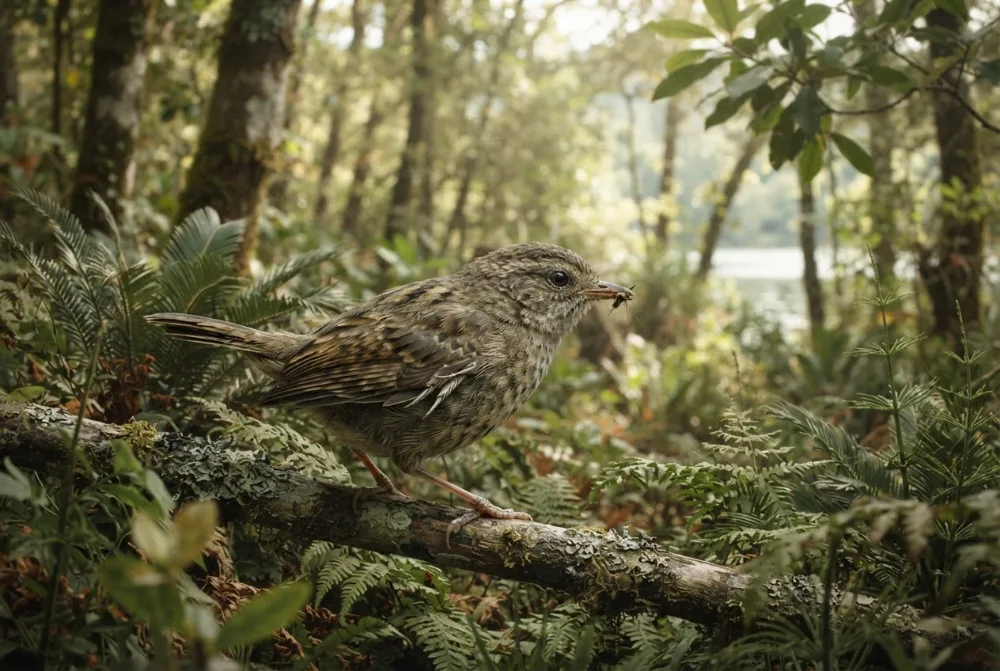
ყველაზე ხშირი კითხვები: Iberomesornis
?How big was Iberomesornis?
It was tiny, no bigger than a large modern sparrow. Its wingspan was about 20 centimetres (8 inches) and it weighed 15 to 20 grams (0.5 to 0.7 ounces).1
?What did Iberomesornis eat?
Nobody knows for sure because its skull has not been found. It probably hunted insects and other small animals, catching them in the air or from the ground.1
?Could Iberomesornis fly?
Yes, it could flap its wings and fly. A 2025 study found that it had strong muscles for flapping flight, even though it lacked a bony keel on its breastbone.2
?When did Iberomesornis live?
It lived about 125 million years ago, during the Early Cretaceous period. Its fossils were found in Spain.1
მითების მსხვრეველი
მითი: Some people think Iberomesornis was a dinosaur like Velociraptor.
სიმართლე: It was a bird, specifically an enantiornithine, which is a type of bird that lived in the Cretaceous. Birds are related to dinosaurs, but they are not the same as non-avian dinosaurs.1
დინო ექსპერტებისთვის
- სამეცნიერო სახელი
- Iberomesornis
- სახელი დაარქვა:
- Sanz et al. 19903
- ჯგუფი
- ადრეული ფრინველები
- ოჯახი / კლადი
- Enantiornithes3
- კლასიფიკაცია
- Theropoda > Avialae3
- ქანების ასაკი
- 126-121 მილიონი წელი (Barremian)3
- ქანების წყებები
- La Huérguina3
- ქვეყნები
- ესპანეთი3
- ნამარხების ჩანაწერები
- The Paleobiology Database-ში: 23
- აღმოჩენა
- The fossil was found in 1985 by Armando Díaz Romeral in Spain. It was named Iberomesornis romerali in 1992 by José Luis Sanz and José Fernando Bonaparte.1
- ჯერ კიდევ სადავოა
- Scientists are not sure what Iberomesornis ate because its skull has not been found, so they guess it ate insects and small animals.1
საიდან არის ფაქტები
- Iberomesornis (en.wikipedia.org)
- Micro-CT reconstruction reveals new information about the phylogenetic position and locomotion of the Early Cretaceous bird Iberomesornis romerali (dinosaurier-info.de)
- Iberomesornis in The Paleobiology Database (CC BY 4.0): ასაკი, ადგილები, ქანების წყებები, კლასიფიკაცია.
ამ გვერდზე ყოველ ფაქტს აქვს ნომერი, რომელიც მის წყაროზე მიუთითებს. თუ რამე შეგვეშალა, ბოდიში, ჩვენ დინოს მოყვარულები ვართ და არა სამეცნიერო ჟურნალი. მოგვწერე მისამართზე [email protected] და გავასწორებთ.
 რექსს შია! Dino Wiki მამის პროექტია დინოზავრების მოყვარული შვილისთვის, უფასო, რეკლამისა და ტრეკერების გარეშე. უფროსებს შეუძლიათ რექსს რამე გემრიელი აჭამონ, რომ საიტი ონლაინ დარჩეს.აჭამე რექსს
 Archaeopteryx
 Hesperornis
 Ichthyornis
 Baptornis
 Jurapteryx
 Gobipteryx
 Stegosaurus
 Iguanodon
 Giganotosaurus
 Microraptor
 Deinonychus
 Baryonyx