 რომელი დინო ხარ? ქვიზი
 დინოების ბრძოლა
 დინოების რბოლა
 დინო მინი-თამაშები
 სტიკერების ალბომი
 დინო TOP სიები
 გამაოცე!
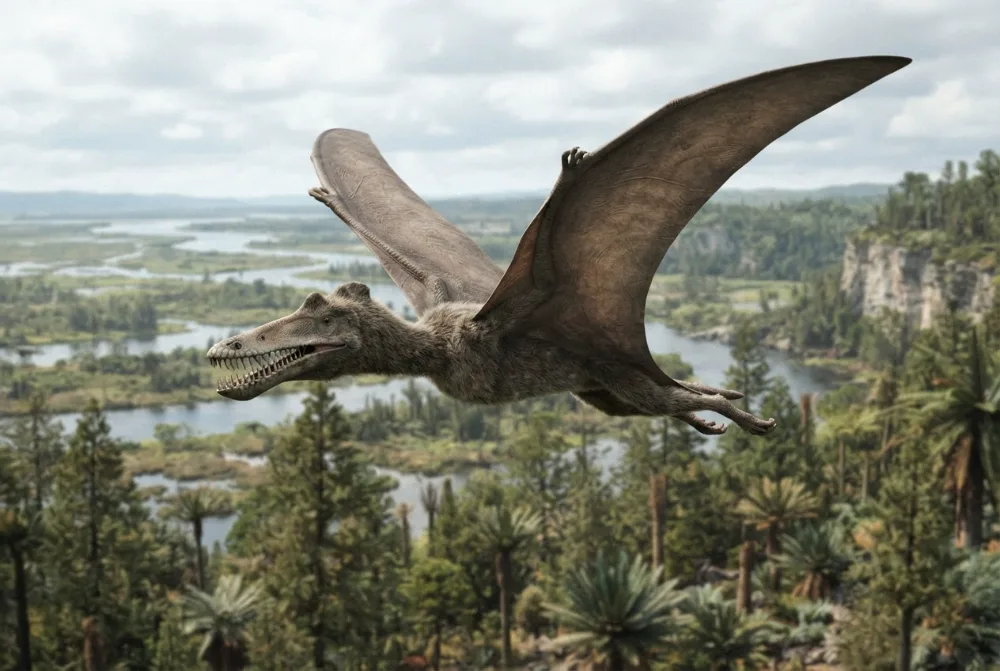
Istiodactylus
Istiodactylus was a flying reptile with a wide, blunt snout full of sharp, interlocking teeth. It lived about 120 million years ago and probably used its teeth like a cookie cutter to slice meat from big dead animals.12
როდის ცხოვრობდა?
რამხელა იყო?
რამდენად განიერი იყო მისი ფრთები?
 3 მწკრივად დაყენებული ველოსიპედის სიგანის ფრთები⚽მთელ ფეხბურთის მოედანს 5,5 წამში გადაუფრენდა
რამხელა იყო Istiodactylus შენთან შედარებით?
უბრალოდ მათემატიკა შენს ბრაუზერში. არაფერი ინახება და არსად იგზავნება.
რამდენად სწრაფი იყო?


სახალისო ფაქტები
Its skull was about 45 centimetres (18 inches) long and had a semicircle of 48 closely spaced, triangular teeth that interlocked to form a razor-edged outline.1
The lower jaw had a tooth-like projection that fit into the upper teeth, helping it bite cleanly.1
Some of its back vertebrae were fused into a structure called a notarium, which helped support its large wings.1
Its hindlimbs were very short, while its forelimbs and wing-finger were huge, making it a soaring specialist.1
For much of the 20th century, it was the only pterosaur known from three-dimensionally preserved fossils, giving scientists a rare look at pterosaur anatomy.12
Its teeth were unlike the long, curved fish-grabbing teeth of other pterosaurs, so scientists think it did not catch fish but instead scavenged.2
It lived in river and coastal environments in southern England, where the climate was warm, about 20 to 25 °C (68 to 77 °F).1
ყველაზე ხშირი კითხვები: Istiodactylus
?How big was Istiodactylus?
Its wingspan was about 4.3 to 5 metres. Its skull was about 45 centimetres long.12
?What did Istiodactylus eat?
It was a scavenger. It used its sharp, interlocking teeth like a cookie cutter to slice meat from dead animals.12
?Was Istiodactylus a dinosaur?
No, it was a pterosaur, a flying reptile that lived at the same time as dinosaurs but is not a dinosaur.1
?Could Istiodactylus fly?
Yes, it was a flying reptile with large wings. It may have been a soaring specialist, gliding long distances to find food.1
მითების მსხვრეველი
მითი: Some people think Istiodactylus was a dinosaur because it lived with dinosaurs and had sharp teeth.
სიმართლე: Istiodactylus was a pterosaur, a flying reptile, not a dinosaur. Pterosaurs are a separate group of reptiles.1
დინო ექსპერტებისთვის
- სამეცნიერო სახელი
- Istiodactylus
- სახელი დაარქვა:
- Howse et al. 20013
- ჯგუფი
- მფრინავი ქვეწარმავლები
- ოჯახი / კლადი
- Ornithocheiroidea3
- კლასიფიკაცია
- Pterosauria > Pterodactyloidea3
- ქანების ასაკი
- 126-120 მილიონი წელი (Barremian / Aptian)3
- ქანების წყებები
- Wessex, Vectis, Yixian3
- ქვეყნები
- გაერთიანებული სამეფო, ჩინეთი3
- ნამარხების ჩანაწერები
- The Paleobiology Database-ში: 63
- აღმოჩენა
- The first fossil was found on the Isle of Wight in 1887, and in 1901 it was named Ornithodesmus latidens. In 2001, scientists moved it to its own genus, Istiodactylus.1
- ჯერ კიდევ სადავოა
- Scientists debate whether the Chinese species Istiodactylus sinensis really belongs to this genus or to a different one, and whether it is the same as another pterosaur called Longchengpterus.1
საიდან არის ფაქტები
- Istiodactylus (en.wikipedia.org)
- New Insights into the Skull of Istiodactylus latidens (Ornithocheiroidea, Pterodactyloidea) | PLOS One (journals.plos.org)
- Istiodactylus in The Paleobiology Database (CC BY 4.0): ასაკი, ადგილები, ქანების წყებები, კლასიფიკაცია.
ამ გვერდზე ყოველ ფაქტს აქვს ნომერი, რომელიც მის წყაროზე მიუთითებს. თუ რამე შეგვეშალა, ბოდიში, ჩვენ დინოს მოყვარულები ვართ და არა სამეცნიერო ჟურნალი. მოგვწერე მისამართზე [email protected] და გავასწორებთ.
 რექსს შია! Dino Wiki მამის პროექტია დინოზავრების მოყვარული შვილისთვის, უფასო, რეკლამისა და ტრეკერების გარეშე. უფროსებს შეუძლიათ რექსს რამე გემრიელი აჭამონ, რომ საიტი ონლაინ დარჩეს.აჭამე რექსს
 Pteranodon
 Quetzalcoatlus
 Dorygnathus
 Rhamphorhynchus
 Anhanguera
 Pterodactylus
 Stegosaurus
 Iguanodon
 Archaeopteryx
 Giganotosaurus
 Microraptor
 Deinonychus