 რომელი დინო ხარ? ქვიზი
 დინოების ბრძოლა
 დინოების რბოლა
 დინო მინი-თამაშები
 სტიკერების ალბომი
 დინო TOP სიები
 გამაოცე!
Polycotylus
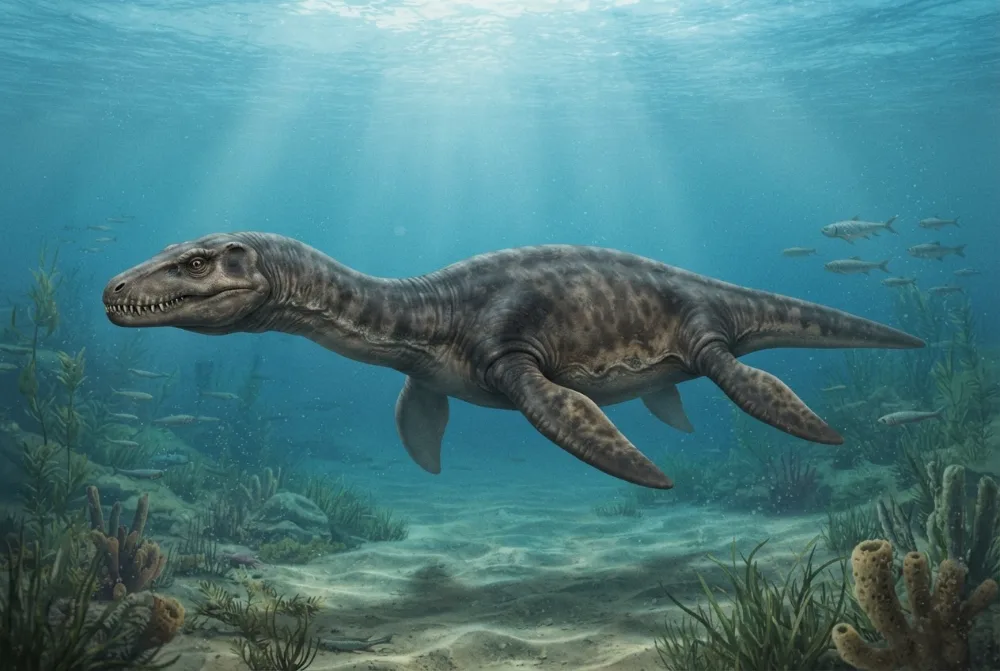
Polycotylus was a short-necked plesiosaur that swam in the warm seas of North America and Europe during the Cretaceous. It had a big head, strong flippers, and gave birth to live babies in the water, just like whales do today.1
როდის ცხოვრობდა?
რამხელა იყო?
რამდენად გრძელი იყო?
რამდენად მძიმე იყო?
 5 ძაღლის სიგრძის, ცხვირიდან კუდამდე🍌30 მწკრივად დალაგებული ბანანის სიგრძის🍉200 საზამთროს წონის🧸53 საბავშვო ბაღის ბავშვის წონის🎒31 სკოლის მოსწავლის წონის🐻❄️2 თეთრი დათვის წონის🏊დიდი აუზის სიგრძეს (50 მ) 6,7 წამში გაცურავდა
რამხელა იყო Polycotylus შენთან შედარებით?
უბრალოდ მათემატიკა შენს ბრაუზერში. არაფერი ინახება და არსად იგზავნება.
რამდენად სწრაფი იყო?


სახალისო ფაქტები
Polycotylus was named by famous paleontologist Edward Drinker Cope in 1869 from fossils found in Kansas.1
A fossil of Polycotylus found in Kansas contains a single large fetus inside the mother, proving that these plesiosaurs gave live birth.1
The baby Polycotylus was about 1.5 metres (4.9 feet) long, which is about 32 percent of the mother's length.1
Polycotylus had a short neck and a long head, making it look a bit like a pliosaur, but it is actually a type of plesiosaur called a polycotylid.1
Its name means 'much-cupped vertebrae' because the bones in its spine have deep cup-like hollows.1
Polycotylus lived in the Western Interior Seaway, a shallow sea that split North America in two during the Cretaceous.1
Scientists think Polycotylus gave birth to just one large baby at a time, a strategy called K-selection.1
ყველაზე ხშირი კითხვები: Polycotylus
?How big was Polycotylus?
Polycotylus was a medium-sized plesiosaur, measuring about 4.7 to 5.4 metres (15 to 18 feet) long and weighing over 1 metric ton (1.1 short tons).1
?Did Polycotylus have a short neck?
Yes, Polycotylus had a short neck and a long head, unlike the long-necked plesiosaurs like Elasmosaurus.1
?What did Polycotylus eat?
Polycotylus had thick teeth with striations on their surfaces, which suggests it ate fish and other marine animals, but the sources do not give a specific diet.1
?When did Polycotylus live?
Polycotylus lived toward the end of the Cretaceous period, about 84 to 66 million years ago.1
მითების მსხვრეველი
მითი: Many people think all plesiosaurs had long necks like the Loch Ness Monster.
სიმართლე: Polycotylus had a short neck and a large head, very different from long-necked plesiosaurs like Elasmosaurus.1
დინო ექსპერტებისთვის
- სამეცნიერო სახელი
- Polycotylus
- სახელი დაარქვა:
- Cope 18693
- ჯგუფი
- პლეზიოზავრები
- ოჯახი / კლადი
- Polycotylidae3
- კლასიფიკაცია
- Plesiosauria > Sauropterygia3
- ქანების ასაკი
- 152-72 მილიონი წელი (Kimmeridgian / Campanian)3
- ქანების წყებები
- Niobrara, Frontier, Mooreville Chalk3
- ქვეყნები
- აშშ, საფრანგეთი, რუსეთი3
- ნამარხების ჩანაწერები
- The Paleobiology Database-ში: 103
- აღმოჩენა
- Edward Drinker Cope named Polycotylus in 1869 from fragmentary bones found in the Niobrara Formation of Kansas. A nearly complete skeleton was later found in Alabama in 1949 but not described until 2002.1
- ჯერ კიდევ სადავოა
- Scientists are not sure exactly how many species of Polycotylus existed, and some species may be the same as others.1
საიდან არის ფაქტები
- Polycotylus (en.wikipedia.org)
- PBDB Taxon (paleobiodb.org)
- Polycotylus in The Paleobiology Database (CC BY 4.0): ასაკი, ადგილები, ქანების წყებები, კლასიფიკაცია.
ამ გვერდზე ყოველ ფაქტს აქვს ნომერი, რომელიც მის წყაროზე მიუთითებს. თუ რამე შეგვეშალა, ბოდიში, ჩვენ დინოს მოყვარულები ვართ და არა სამეცნიერო ჟურნალი. მოგვწერე მისამართზე [email protected] და გავასწორებთ.
 რექსს შია! Dino Wiki მამის პროექტია დინოზავრების მოყვარული შვილისთვის, უფასო, რეკლამისა და ტრეკერების გარეშე. უფროსებს შეუძლიათ რექსს რამე გემრიელი აჭამონ, რომ საიტი ონლაინ დარჩეს.აჭამე რექსს
 Elasmosaurus
 Pliosaurus
 Plesiosaurus
 Cimoliasaurus
 Colymbosaurus
 Trinacromerum
 Stegosaurus
 Iguanodon
 Archaeopteryx
 Giganotosaurus
 Microraptor
 Deinonychus