 რომელი დინო ხარ? ქვიზი
 დინოების ბრძოლა
 დინოების რბოლა
 დინო მინი-თამაშები
 სტიკერების ალბომი
 დინო TOP სიები
 გამაოცე!
Xiangyunloong
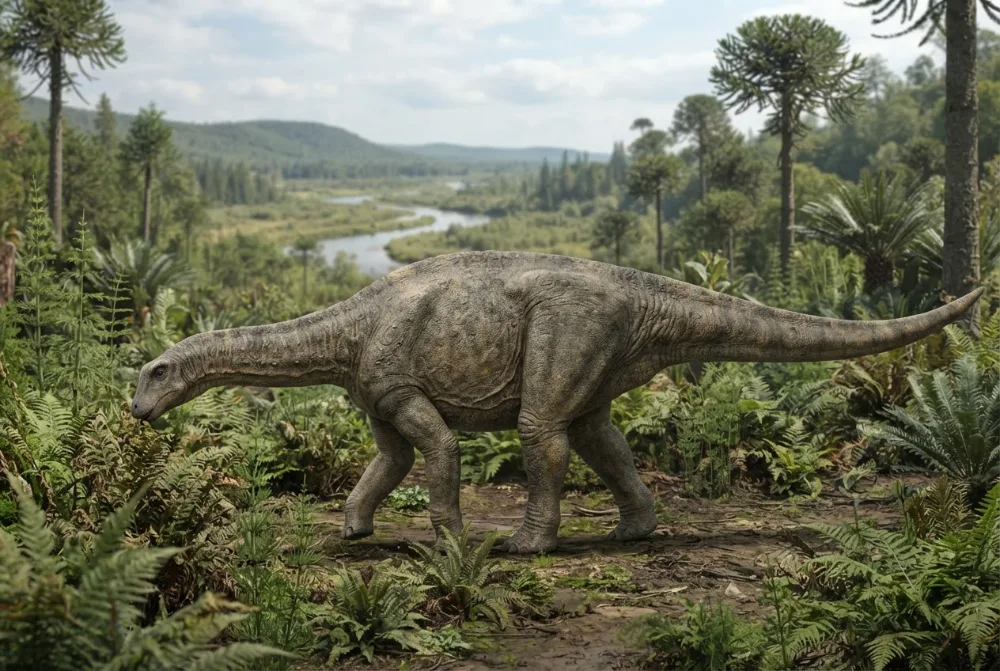
Xiangyunloong was a big, plant-eating dinosaur that lived in what is now China. It had a short neck but a very long and strong tail, which helped it balance its heavy body. This dinosaur shows that not all early long-necked dinosaurs had long necks!2
როდის ცხოვრობდა?
რამხელა იყო?
რამდენად გრძელი იყო?
რამდენად მაღალი იყო?
შეფასება
 2 მწკრივად დაყენებული მანქანის სიგრძის🍌56 მწკრივად დალაგებული ბანანის სიგრძის🏃100 მეტრს 16 წამში გაირბენდა (ყველაზე სწრაფ ადამიანს 9,6 სჭირდება)
რამხელა იყო Xiangyunloong შენთან შედარებით?
უბრალოდ მათემატიკა შენს ბრაუზერში. არაფერი ინახება და არსად იგზავნება.
რამდენად სწრაფი იყო?


სახალისო ფაქტები
Xiangyunloong had a short neck but a very long and powerful tail, which is unusual for early sauropodomorphs.2
Its tail was so strong that it could act as a counterbalance, helping the dinosaur stand on two legs to feed.2
Scientists think Xiangyunloong represents an early stage of gigantism, or getting very big, in sauropodomorphs.2
Xiangyunloong lived about 200 million years ago during the Early Jurassic period.4
The fossil of Xiangyunloong was found about 200 kilometers west of the famous Lufeng dinosaur fossil sites in China.2
Xiangyunloong is known from a partial skeleton that includes neck bones, back bones, tail bones, and hip bones.2
ყველაზე ხშირი კითხვები: Xiangyunloong
?How big was Xiangyunloong?
About 9 to 10 metres long, making it one of the largest early sauropodomorph dinosaurs from China.12
?Did Xiangyunloong have a long neck?
No, it had a short neck, which is unusual for early sauropodomorphs. Instead, it had a very long and strong tail.23
?What did Xiangyunloong eat?
It was a plant eating dinosaur, like other sauropodomorphs.1
მითების მსხვრეველი
მითი: Many people think all early sauropodomorphs had long necks like later sauropods.
სიმართლე: Xiangyunloong had a short neck and a long, strong tail, showing that early sauropodomorphs had different body shapes.2
დინო ექსპერტებისთვის
- სამეცნიერო სახელი
- Xiangyunloong
- სახელი დაარქვა:
- Hu et al. 20264
- ჯგუფი
- გრძელკისრიანები
- ოჯახი / კლადი
- Massopoda4
- კლასიფიკაცია
- Sauropodomorpha4
- ქანების ასაკი
- 201-175 მილიონი წელი (Hettangian / Toarcian)4
- ქანების წყებები
- Fengjiahe4
- ქვეყნები
- ჩინეთი4
- ნამარხების ჩანაწერები
- The Paleobiology Database-ში: 14
- აღმოჩენა
- Xiangyunloong was named in 2026 by Hu and colleagues based on a partial skeleton found in the Fengjiahe Formation in Yunnan, China.2
- ჯერ კიდევ სადავოა
- Scientists are still debating whether Xiangyunloong represents a new evolutionary path where the tail, not the neck, became long and strong.2
საიდან არის ფაქტები
- Xiangyunloong (en.wikipedia.org)
- A new sauropodomorph dinosaur from the Lower Jurassic Fengjiahe Formation of Dali of Yunnan Province, China | Royal Society Open Science | The Royal Society (royalsocietypublishing.org)
- Early Sauropodomorph Dinosaur Unearthed in China | Sci.News (sci.news)
- Xiangyunloong in The Paleobiology Database (CC BY 4.0): ასაკი, ადგილები, ქანების წყებები, კლასიფიკაცია.
ამ გვერდზე ყოველ ფაქტს აქვს ნომერი, რომელიც მის წყაროზე მიუთითებს. თუ რამე შეგვეშალა, ბოდიში, ჩვენ დინოს მოყვარულები ვართ და არა სამეცნიერო ჟურნალი. მოგვწერე მისამართზე [email protected] და გავასწორებთ.
 რექსს შია! Dino Wiki მამის პროექტია დინოზავრების მოყვარული შვილისთვის, უფასო, რეკლამისა და ტრეკერების გარეშე. უფროსებს შეუძლიათ რექსს რამე გემრიელი აჭამონ, რომ საიტი ონლაინ დარჩეს.აჭამე რექსს
 Brachiosaurus
 Diplodocus
 Brontosaurus
 Argentinosaurus
 Camarasaurus
 Morosaurus
 Dilophosaurus
 Stenopterygius
 Dorygnathus
 Scutellosaurus
 Sinosaurus
 Temnodontosaurus