 ຄວິສ: ເຈົ້າແມ່ນໄດໂນຫຍັງ?
 ສຶກໄດໂນ
 ແຂ່ງໄດໂນ
 ມິນິເກມໄດໂນ
 ອະລະບ້ຳສະຕິກເກີ
 ລາຍຊື່ TOP ໄດໂນ
 ສຸ່ມໃຫ້ແດ່!
ມັນມີຊີວິດຢູ່ເມື່ອໃດ?

ມັນໃຫຍ່ປານໃດ?
ມັນຍາວປານໃດ?
ມັນສູງປານໃດ?
ຄ່າປະມານ
ມັນໜັກປານໃດ?
 ຍາວເທົ່າໝາ 3 ໂຕຕໍ່ກັນຈາກດັງຫາຫາງ🍌ຍາວເທົ່າກ້ວຍ 18 ໜ່ວຍຕໍ່ກັນ🍉ໜັກເທົ່າໝາກໂມ 14 ໜ່ວຍ🧸ໜັກເທົ່າເດັກອະນຸບານ 4 ຄົນ🎒ໜັກເທົ່ານັກຮຽນ 2 ຄົນ🏃ແລ່ນ 100 ແມັດໄດ້ໃນ 7,2 ວິນາທີ (ຄົນທີ່ໄວທີ່ສຸດໃຊ້ 9.6)
Bonapartenykus ໃຫຍ່ປານໃດ ເມື່ອທຽບກັບເຈົ້າ?
ແຄ່ຄິດໄລ່ໃນບຣາວເຊີຂອງເຈົ້າ. ບໍ່ມີຫຍັງຖືກບັນທຶກ ຫຼື ສົ່ງໄປໃສ.
ມັນໄວປານໃດ?


ເລື່ອງໜ້າຮູ້ມ່ວນໆ
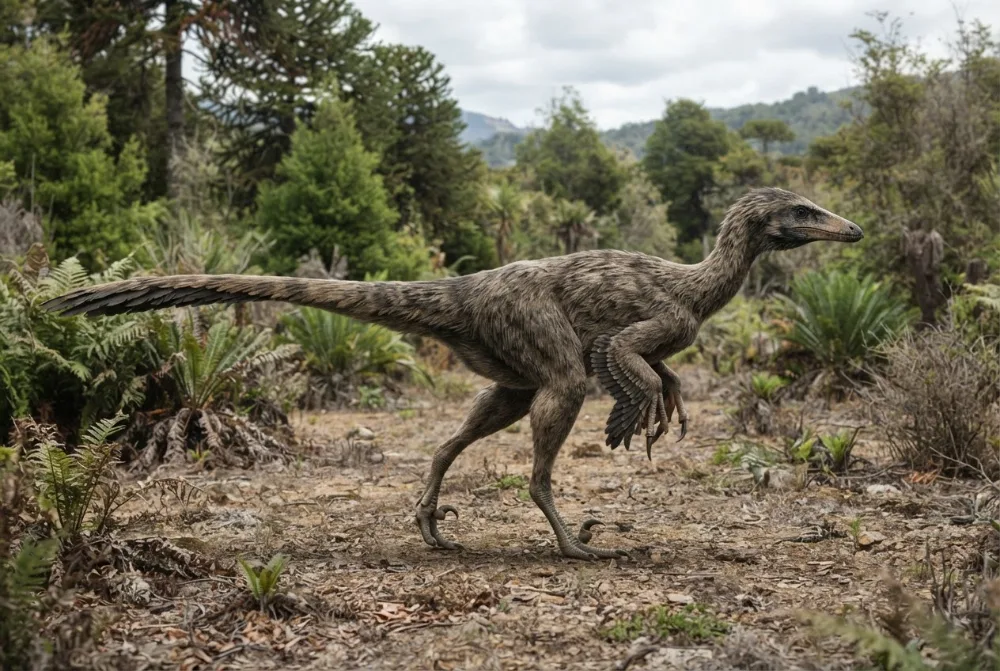
Bonapartenykus is the largest known alvarezsauroid, measuring up to 3.3 metres (10.8 feet) long and weighing up to 72 kilograms (159 pounds).1
Its fossils were found with two incomplete eggs and many eggshell pieces, which were given their own scientific name, Arriagadoolithus.1
The eggs were found less than 20 centimetres (7.9 inches) away from the skeleton, so scientists think they may belong to Bonapartenykus.1
Bonapartenykus had a fused hip bone and a fused shoulder blade, which are unusual features that help scientists tell it apart from other dinosaurs.1
It lived between 72 and 66 million years ago, during the Maastrichtian age of the Late Cretaceous period.2
The name 'ultimus' means 'latest', because it was one of the youngest alvarezsauroids from South America.1
ຄຳຖາມທີ່ຖືກຖາມຫຼາຍທີ່ສຸດກ່ຽວກັບ Bonapartenykus
?How big was Bonapartenykus?
It was about 2.5 to 3.3 metres (8.2 to 10.8 feet) long and weighed 43 to 72 kilograms (95 to 159 pounds). That makes it the largest known alvarezsauroid.1
?What did Bonapartenykus eat?
It was a meat-eating dinosaur, so it probably ate small animals like lizards or insects. Its special claw may have helped it catch prey.1
?Did Bonapartenykus lay eggs?
Yes, its fossils were found with two eggs and many eggshell pieces nearby. Scientists think the eggs belonged to Bonapartenykus and gave them the name Arriagadoolithus.1
?When did Bonapartenykus live?
It lived between 72 and 66 million years ago, near the end of the Age of Dinosaurs. Its name 'ultimus' means 'latest' because it was one of the youngest alvarezsauroids from South America.1
ໄຂຄວາມເຊື່ອຜິດ
ຄວາມເຊື່ອຜິດ: Some people think Bonapartenykus was a bird because it had feathers and a beak-like snout.
ຄວາມຈິງ: Bonapartenykus was a dinosaur, not a bird. It belonged to a group called alvarezsauroids, which are close relatives of birds but still dinosaurs.1
ສຳລັບຜູ້ຊ່ຽວຊານໄດໂນ
- ຊື່ວິທະຍາສາດ
- Bonapartenykus
- ຕັ້ງຊື່ໂດຍ
- Agnolin et al. 20122
- ກຸ່ມ
- ໄດໂນກິນຊີ້ນ
- ຄອບຄົວ / ເຄລດ
- Alvarezsauroidea2
- ການຈັດໝວດໝູ່
- Theropoda2
- ອາຍຸຂອງຫີນ
- 72 ຫາ 66 ລ້ານປີ (Maastrichtian)2
- ຊັ້ນຫີນ
- Allen2
- ປະເທດ
- ອາເຈນຕິນາ2
- ບັນທຶກຟອສຊິລ
- 3 ໃນ The Paleobiology Database2
- ການຄົ້ນພົບ
- The first skeleton was found in Argentina and was described in 2009 as an unknown alvarezsaurid. In 2012, scientists Federico Agnolin, Jaime Powell, Fernando Novas, and Martin Kundrát named it Bonapartenykus ultimus.1
- ຍັງຖົກຖຽງກັນຢູ່
- Scientists are not sure if the eggs found with Bonapartenykus really belong to it, because they were not inside the body. They might belong to another animal.1
ຂໍ້ມູນມາຈາກໃສ
- Bonapartenykus (en.wikipedia.org)
- Bonapartenykus in The Paleobiology Database (CC BY 4.0): ອາຍຸ, ສະຖານທີ່, ຊັ້ນຫີນ, ການຈັດໝວດໝູ່.
ທຸກຂໍ້ມູນໃນໜ້ານີ້ມີຕົວເລກທີ່ຊີ້ໄປຫາແຫຼ່ງອ້າງອີງ. ຖ້າພວກເຮົາຜິດພາດ, ຂໍໂທດເດີ, ພວກເຮົາເປັນແຟນໄດໂນ ບໍ່ແມ່ນວາລະສານວິທະຍາສາດ. ບອກພວກເຮົາທີ່ [email protected] ແລ້ວພວກເຮົາຈະແກ້ໄຂ.
 Rex ຫິວແລ້ວ! Dino Wiki ເປັນໂຄງການຂອງພໍ່ຄົນໜຶ່ງ ເພື່ອລູກຊາຍທີ່ມັກໄດໂນ, ຟຣີ ບໍ່ມີໂຄສະນາ ແລະ ບໍ່ມີຕົວຕິດຕາມ. ຜູ້ໃຫຍ່ສາມາດໃຫ້ອາຫານວ່າງແກ່ Rex ເພື່ອຊ່ວຍໃຫ້ເວັບຢູ່ອອນລາຍຕໍ່ໄປ.ໃຫ້ອາຫານ Rex
 Allosaurus
 Carnotaurus
 Dilophosaurus
 Giganotosaurus
 Compsognathus
 Paronychodon
 Tyrannosaurus
 Triceratops
 Velociraptor
 Spinosaurus
 Ankylosaurus
 Parasaurolophus