 ຄວິສ: ເຈົ້າແມ່ນໄດໂນຫຍັງ?
 ສຶກໄດໂນ
 ແຂ່ງໄດໂນ
 ມິນິເກມໄດໂນ
 ອະລະບ້ຳສະຕິກເກີ
 ລາຍຊື່ TOP ໄດໂນ
 ສຸ່ມໃຫ້ແດ່!
ມັນມີຊີວິດຢູ່ເມື່ອໃດ?

ມັນໃຫຍ່ປານໃດ?
ມັນຍາວປານໃດ?
ມັນສູງປານໃດ?
ຄ່າປະມານ
ມັນໜັກປານໃດ?

 ຍາວເທົ່າແມວບ້ານ 3 ໂຕຕໍ່ກັນຈາກດັງຫາຫາງ🍌ຍາວເທົ່າກ້ວຍ 9 ໜ່ວຍຕໍ່ກັນ🍉ໜັກເທົ່າໝາກໂມ 20 ໜ່ວຍ🧸ໜັກເທົ່າເດັກອະນຸບານ 5 ຄົນ🎒ໜັກເທົ່ານັກຮຽນ 3 ຄົນ🏃ແລ່ນ 100 ແມັດໄດ້ໃນ 7,5 ວິນາທີ (ຄົນທີ່ໄວທີ່ສຸດໃຊ້ 9.6)
Chirostenotes ໃຫຍ່ປານໃດ ເມື່ອທຽບກັບເຈົ້າ?
ແຄ່ຄິດໄລ່ໃນບຣາວເຊີຂອງເຈົ້າ. ບໍ່ມີຫຍັງຖືກບັນທຶກ ຫຼື ສົ່ງໄປໃສ.
ມັນໄວປານໃດ?


ເລື່ອງໜ້າຮູ້ມ່ວນໆ
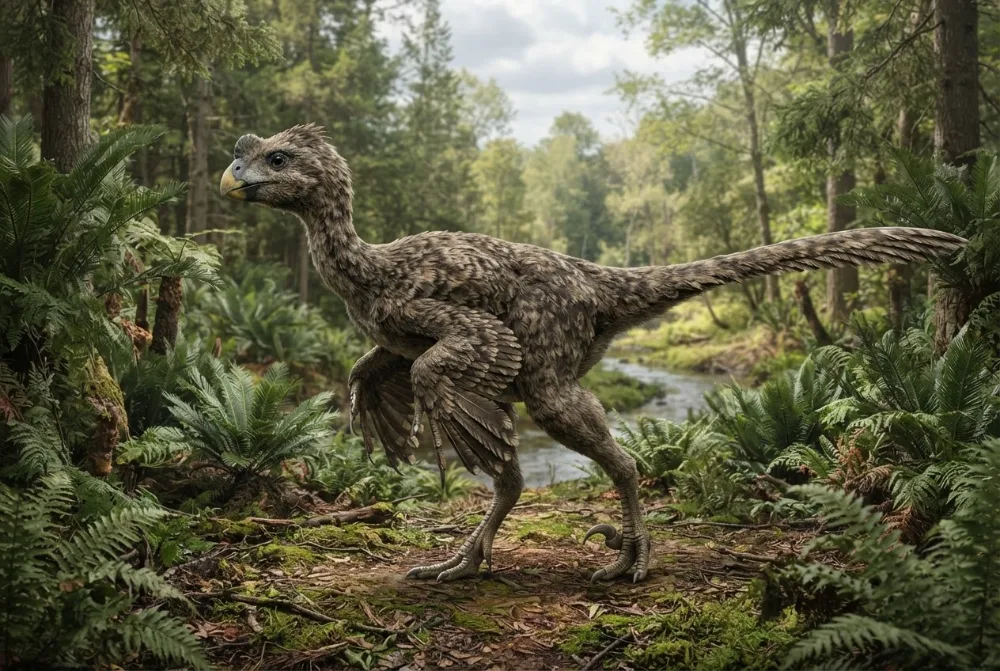
Chirostenotes belongs to a group called caenagnathids, which are oviraptorosaurs. These dinosaurs are known for their toothless beaks and often had crests on their heads.42
Its name means 'narrow-handed' because its hand bones were long and slender, with three fingers that ended in sharp claws.1
Chirostenotes lived between about 79 and 67 million years ago, during the Late Cretaceous period.1
Fossils of Chirostenotes have been found in the Dinosaur Park Formation in Alberta, Canada, and the Hell Creek Formation in Montana, USA.4
Scientists once thought Chirostenotes was a different dinosaur called Macrophalangia, which means 'big toes'. Now they know it's the same animal.4
A study of a well-preserved jaw showed that Chirostenotes had a strong, shearing bite, like some plant-eating animals today. This supports the idea that it ate tough plants.2
ຄຳຖາມທີ່ຖືກຖາມຫຼາຍທີ່ສຸດກ່ຽວກັບ Chirostenotes
?How big was Chirostenotes?
About 2.5 metres (8.2 ft) long and weighed around 100 kg (220 lbs).3
?What did Chirostenotes eat?
It was an omnivore, eating both plants and small animals like grubs, amphibians, reptiles and mammals.32
?Did Chirostenotes have feathers?
Yes, it was a feathered theropod, and related oviraptorosaurs like Caudipteryx had large primary feathers on their hands.3
?When did Chirostenotes live?
It lived during the Late Cretaceous period, about 79 to 67 million years ago.1
?Why is it called Chirostenotes?
Its name means 'narrow-handed' because its hand bones were long and slender.1
ໄຂຄວາມເຊື່ອຜິດ
ຄວາມເຊື່ອຜິດ: Some people think Chirostenotes was a meat-eater like many other theropods.
ຄວາມຈິງ: Chirostenotes was actually an omnivore, eating both plants and small animals. Its toothless beak and jaw shape are better suited for slicing plants than for catching large prey.2
ສຳລັບຜູ້ຊ່ຽວຊານໄດໂນ
- ຊື່ວິທະຍາສາດ
- Chirostenotes
- ຕັ້ງຊື່ໂດຍ
- Gilmore 19244
- ກຸ່ມ
- ໄດໂນມີຂົນແປກໆ
- ຄອບຄົວ / ເຄລດ
- Caenagnathidae4
- ການຈັດໝວດໝູ່
- Theropoda > Oviraptorosauria4
- ອາຍຸຂອງຫີນ
- 84 ຫາ 66 ລ້ານປີ (Campanian / Maastrichtian)4
- ຊັ້ນຫີນ
- Hell Creek, Dinosaur Park, Aguja4
- ປະເທດ
- ສະຫະລັດ, ການາດາ4
- ບັນທຶກຟອສຊິລ
- 28 ໃນ The Paleobiology Database4
- ມີຊື່ອື່ນວ່າ
- Macrophalangia (ຊື່ເກົ່າທີ່ຕອນນີ້ນັບເປັນສັດໂຕດຽວກັນ)4
- ການຄົ້ນພົບ
- Chirostenotes was named in 1924 by paleontologist Charles W. Gilmore, based on a pair of hands found in Alberta, Canada. Later, more complete fossils showed it was a caenagnathid.41
- ຍັງຖົກຖຽງກັນຢູ່
- Scientists are still debating exactly what Chirostenotes ate. Some think it was mostly a plant-eater, while others believe it ate a mix of plants and small animals.2
ຂໍ້ມູນມາຈາກໃສ
- Chirostenotes | Natural History Museum (nhm.ac.uk)
- A previously undescribed caenagnathid mandible from the late Campanian of Alberta, and insights into the diet of Chirostenotes pergracilis (Dinosauria: Oviraptorosauria) (cdnsciencepub.com)
- Chirostenotes (en.wikipedia.org)
- Chirostenotes in The Paleobiology Database (CC BY 4.0): ອາຍຸ, ສະຖານທີ່, ຊັ້ນຫີນ, ການຈັດໝວດໝູ່.
ທຸກຂໍ້ມູນໃນໜ້ານີ້ມີຕົວເລກທີ່ຊີ້ໄປຫາແຫຼ່ງອ້າງອີງ. ຖ້າພວກເຮົາຜິດພາດ, ຂໍໂທດເດີ, ພວກເຮົາເປັນແຟນໄດໂນ ບໍ່ແມ່ນວາລະສານວິທະຍາສາດ. ບອກພວກເຮົາທີ່ [email protected] ແລ້ວພວກເຮົາຈະແກ້ໄຂ.
 Rex ຫິວແລ້ວ! Dino Wiki ເປັນໂຄງການຂອງພໍ່ຄົນໜຶ່ງ ເພື່ອລູກຊາຍທີ່ມັກໄດໂນ, ຟຣີ ບໍ່ມີໂຄສະນາ ແລະ ບໍ່ມີຕົວຕິດຕາມ. ຜູ້ໃຫຍ່ສາມາດໃຫ້ອາຫານວ່າງແກ່ Rex ເພື່ອຊ່ວຍໃຫ້ເວັບຢູ່ອອນລາຍຕໍ່ໄປ.ໃຫ້ອາຫານ Rex
 Therizinosaurus
 Oviraptor
 Citipes
 Leptorhynchos
 Avimimus
 Caenagnathus
 Tyrannosaurus
 Triceratops
 Velociraptor
 Spinosaurus
 Ankylosaurus
 Parasaurolophus