 ຄວິສ: ເຈົ້າແມ່ນໄດໂນຫຍັງ?
 ສຶກໄດໂນ
 ແຂ່ງໄດໂນ
 ມິນິເກມໄດໂນ
 ອະລະບ້ຳສະຕິກເກີ
 ລາຍຊື່ TOP ໄດໂນ
 ສຸ່ມໃຫ້ແດ່!
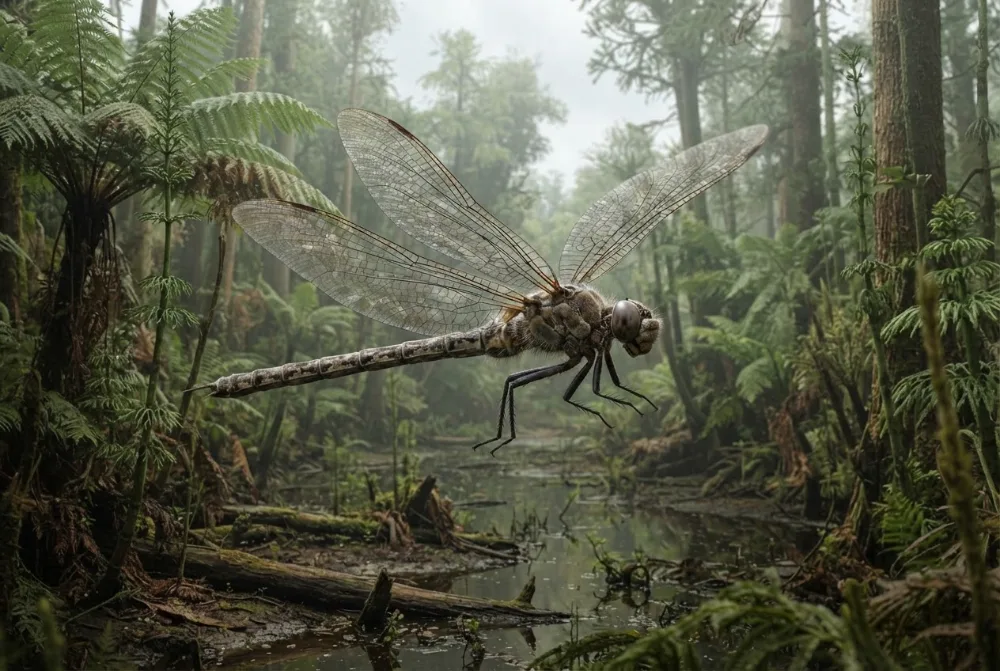
Meganeura
Meganeura was a giant dragonfly-like insect that lived about 300 million years ago. It had a wingspan as wide as a small bird and was one of the biggest flying insects ever. It hunted other insects in open forests and near lakes.12
ມັນມີຊີວິດຢູ່ເມື່ອໃດ?
ມັນໃຫຍ່ປານໃດ?
ມັນຍາວປານໃດ?
ມັນໜັກປານໃດ?
Meganeura ໃຫຍ່ປານໃດ ເມື່ອທຽບກັບເຈົ້າ?
ແຄ່ຄິດໄລ່ໃນບຣາວເຊີຂອງເຈົ້າ. ບໍ່ມີຫຍັງຖືກບັນທຶກ ຫຼື ສົ່ງໄປໃສ.
ມັນໄວປານໃດ?


ເລື່ອງໜ້າຮູ້ມ່ວນໆ
Meganeura's wingspan was about 65 to 75 centimetres (2.1 to 2.5 feet), bigger than any dragonfly alive today.1
Its huge compound eyes met along the top of its head, giving it excellent vision to spot prey against the sky.12
Meganeura was a 'hawker' that patrolled open areas and above the treetops, not a fast zigzag flyer through dense forests.2
Its legs had large spines that formed a 'flying trap' to grab insects in mid-air.1
Scientists think Meganeura spent a lot of time perching because its large body made breathing difficult during flight.1
The first Meganeura fossil was found in a coal mine in Commentry, France, in 1880.1
Only one species of Meganeura is considered valid today: Meganeura monyi.1
ຄຳຖາມທີ່ຖືກຖາມຫຼາຍທີ່ສຸດກ່ຽວກັບ Meganeura
?How big was Meganeura?
Meganeura had a wingspan of about 65 to 75 centimetres (2.1 to 2.5 feet) and a body length up to 43 centimetres (1.4 feet). It was one of the largest flying insects ever.14
?Could Meganeura fly fast?
No, it could not make sudden direction changes like modern dragonflies. It was a 'hawker' that patrolled open areas and above treetops, flying steadily rather than zigzagging.12
?What did Meganeura eat?
Meganeura was a predator that ate other insects. It used large spines on its legs to trap prey in mid-air, like a flying trap.14
?Is Meganeura a dinosaur?
No, Meganeura is not a dinosaur. It was a giant dragonfly-like insect that lived about 300 million years ago, long before dinosaurs evolved.1
?When did Meganeura live?
Meganeura lived during the Late Carboniferous period, about 300 million years ago.1
?Why was Meganeura so big?
Scientists think the high oxygen levels in the Carboniferous air may have helped it grow so large, but they are not sure. Another idea is that there were no big flying predators back then.1
?Did Meganeura have good eyesight?
Yes, it had huge compound eyes that met along the top of its head, giving it excellent vision to spot prey against the sky.12
?Where was Meganeura found?
The first Meganeura fossil was found in a coal mine in Commentry, France, in 1880.1
?How much did Meganeura weigh?
Estimates vary a lot, from about 18 grams (0.04 pounds) up to 100 to 150 grams (0.22 to 0.33 pounds). Scientists are not sure of the exact weight.1
ສຳລັບຜູ້ຊ່ຽວຊານໄດໂນ
- ຊື່ວິທະຍາສາດ
- Meganeura
- ຕັ້ງຊື່ໂດຍ
- Brongniart 18855
- ກຸ່ມ
- ຕຳນານຍຸກດຶກດຳບັນ
- ຄອບຄົວ / ເຄລດ
- Meganeuridae5
- ການຈັດໝວດໝູ່
- Insecta > Meganisoptera > Meganeuridae5
- ອາຍຸຂອງຫີນ
- 304 ຫາ 299 ລ້ານປີ (Gzhelian)5
- ຊັ້ນຫີນ
- Commentry Shales5
- ປະເທດ
- ຝຣັ່ງ5
- ບັນທຶກຟອສຊິລ
- 7 ໃນ The Paleobiology Database5
- ການຄົ້ນພົບ
- French paleontologist Charles Brongniart named Meganeura in 1885 after studying fossils from Commentry, France. The first fossil was found in 1880.13
- ຍັງຖົກຖຽງກັນຢູ່
- Scientists are still unsure exactly how heavy Meganeura was, with estimates ranging from 18 grams to 150 grams.1
ຂໍ້ມູນມາຈາກໃສ
- Meganeura (en.wikipedia.org)
- Palaeozoic giant dragonflies were hawker predators | Scientific Reports (nature.com)
- PBDB Taxon (paleobiodb.org)
- Griffinflies: The earliest flying insects (nhm.ac.uk)
- Meganeura in The Paleobiology Database (CC BY 4.0): ອາຍຸ, ສະຖານທີ່, ຊັ້ນຫີນ, ການຈັດໝວດໝູ່.
ທຸກຂໍ້ມູນໃນໜ້ານີ້ມີຕົວເລກທີ່ຊີ້ໄປຫາແຫຼ່ງອ້າງອີງ. ຖ້າພວກເຮົາຜິດພາດ, ຂໍໂທດເດີ, ພວກເຮົາເປັນແຟນໄດໂນ ບໍ່ແມ່ນວາລະສານວິທະຍາສາດ. ບອກພວກເຮົາທີ່ [email protected] ແລ້ວພວກເຮົາຈະແກ້ໄຂ.
 Rex ຫິວແລ້ວ! Dino Wiki ເປັນໂຄງການຂອງພໍ່ຄົນໜຶ່ງ ເພື່ອລູກຊາຍທີ່ມັກໄດໂນ, ຟຣີ ບໍ່ມີໂຄສະນາ ແລະ ບໍ່ມີຕົວຕິດຕາມ. ຜູ້ໃຫຍ່ສາມາດໃຫ້ອາຫານວ່າງແກ່ Rex ເພື່ອຊ່ວຍໃຫ້ເວັບຢູ່ອອນລາຍຕໍ່ໄປ.ໃຫ້ອາຫານ Rex
 Megalodon
 Sabre-toothed cat
 Dimetrodon
 Woolly mammoth
 Arthropleura
 Helicoprion