 ຄວິສ: ເຈົ້າແມ່ນໄດໂນຫຍັງ?
 ສຶກໄດໂນ
 ແຂ່ງໄດໂນ
 ມິນິເກມໄດໂນ
 ອະລະບ້ຳສະຕິກເກີ
 ລາຍຊື່ TOP ໄດໂນ
 ສຸ່ມໃຫ້ແດ່!
ມັນມີຊີວິດຢູ່ເມື່ອໃດ?

ມັນໃຫຍ່ປານໃດ?
ມັນຍາວປານໃດ?
ມັນສູງປານໃດ?
ຄ່າປະມານ
ມັນໜັກປານໃດ?

 ຍາວເທົ່າໝາ 5 ໂຕຕໍ່ກັນຈາກດັງຫາຫາງ🍌ຍາວເທົ່າກ້ວຍ 28 ໜ່ວຍຕໍ່ກັນໜັກເທົ່າໝາ 100 ໂຕ🍉ໜັກເທົ່າໝາກໂມ 400 ໜ່ວຍ🎒ໜັກເທົ່ານັກຮຽນ 2,5 ຫ້ອງເຕັມໆ🐻❄️ໜັກເທົ່າໝີຂາວ 4 ໂຕ🏃ແລ່ນ 100 ແມັດໄດ້ໃນ 18 ວິນາທີ (ຄົນທີ່ໄວທີ່ສຸດໃຊ້ 9.6)
Polacanthus ໃຫຍ່ປານໃດ ເມື່ອທຽບກັບເຈົ້າ?
ແຄ່ຄິດໄລ່ໃນບຣາວເຊີຂອງເຈົ້າ. ບໍ່ມີຫຍັງຖືກບັນທຶກ ຫຼື ສົ່ງໄປໃສ.
ມັນໄວປານໃດ?


ເລື່ອງໜ້າຮູ້ມ່ວນໆ
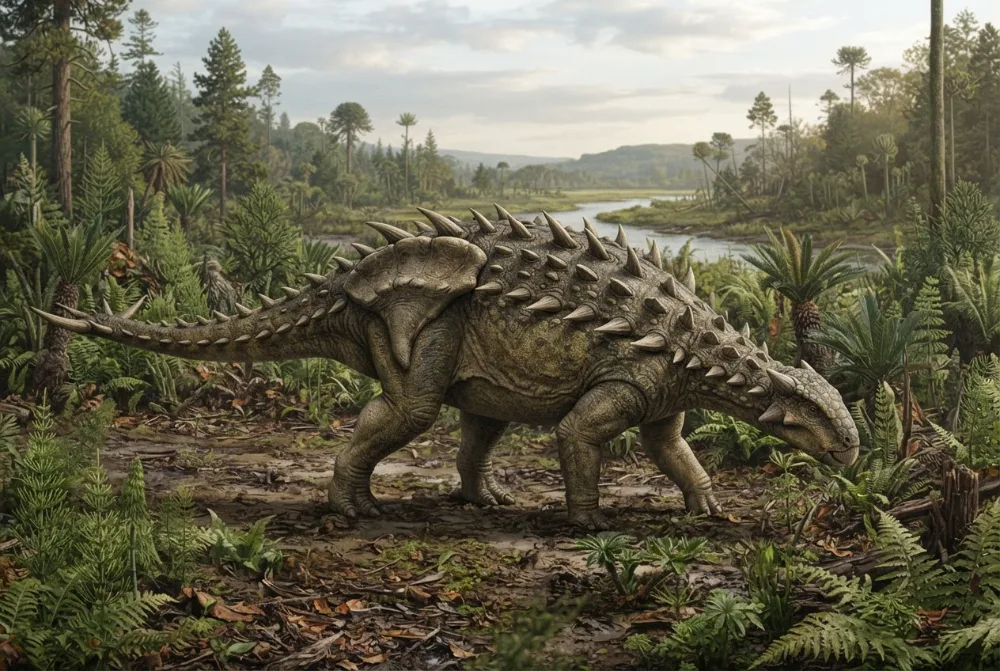
Polacanthus had a large fused plate of bone over its hips called a 'pelvic shield', which was about 108 centimetres wide and 90 centimetres long.1
Its body was covered with many spikes and small bony studs called ossicles.1
The first fossil of Polacanthus was discovered by the Reverend William Fox on the Isle of Wight in 1865.1
Polacanthus lived about 130 to 125 million years ago during the Early Cretaceous.1
Scientists are not sure if Polacanthus belongs to the Nodosauridae family or its own family, the Polacanthidae.1
A second species, Polacanthus rudgwickensis, was named in 1996 but later moved to its own genus Horshamosaurus in 2015.1
ຄຳຖາມທີ່ຖືກຖາມຫຼາຍທີ່ສຸດກ່ຽວກັບ Polacanthus
?How big was Polacanthus?
Polacanthus grew to about 4 to 5 metres (13 to 16 feet) long. Estimates of its weight vary significantly, with some scientists suggesting it weighed around 2 tonnes (4,400 pounds), while others estimate it was much lighter.1
?What did Polacanthus eat?
Polacanthus was a herbivore, meaning it ate plants. Its teeth and body were built for eating vegetation.1
?Did Polacanthus have a tail club?
No, Polacanthus did not have a tail club like Ankylosaurus. Instead, its tail had spikes and bony plates for protection.1
?Where was Polacanthus found?
Polacanthus fossils have been found in England, especially on the Isle of Wight. The first fossil was discovered there in 1865 by the Reverend William Fox.13
?When did Polacanthus live?
Polacanthus lived during the Early Cretaceous Period, about 130 to 125 million years ago.1
?How fast could Polacanthus run?
Nobody knows for sure how fast Polacanthus could run, but it walked on all fours and had relatively long hindlimbs for an ankylosaur, which might have allowed it to move fairly quickly.1
ໄຂຄວາມເຊື່ອຜິດ
ຄວາມເຊື່ອຜິດ: Polacanthus could swing its tail like a club.
ຄວາມຈິງ: Polacanthus did not have a tail club; its tail was covered in spikes but lacked the heavy bony club seen in some other ankylosaurs.1
ສຳລັບຜູ້ຊ່ຽວຊານໄດໂນ
- ຊື່ວິທະຍາສາດ
- Polacanthus
- ຕັ້ງຊື່ໂດຍ
- Fox 18664
- ກຸ່ມ
- ໄດໂນຫຸ້ມເກາະ
- ຄອບຄົວ / ເຄລດ
- Nodosauridae4
- ການຈັດໝວດໝູ່
- Ornithischia > Ankylosauria > Nodosauridae > Thyreophora4
- ອາຍຸຂອງຫີນ
- 139 ຫາ 100 ລ້ານປີ (Berriasian / Albian)4
- ຊັ້ນຫີນ
- Wessex, Vectis, Pinilla de los Moros4
- ປະເທດ
- ສະຫະລາຊະອານາຈັກ, ສະເປນ4
- ບັນທຶກຟອສຊິລ
- 16 ໃນ The Paleobiology Database4
- ມີຊື່ອື່ນວ່າ
- Euacanthus, Vectensia (ຊື່ເກົ່າທີ່ຕອນນີ້ນັບເປັນສັດໂຕດຽວກັນ)4
- ການຄົ້ນພົບ
- Polacanthus was discovered by Reverend William Fox on the Isle of Wight in 1865. The name was first used by Richard Owen in a lecture later that year, and the full description was published by Fox in 1866.1
- ຍັງຖົກຖຽງກັນຢູ່
- Scientists still debate whether Polacanthus was a nodosaurid or belonged to a separate family called Polacanthidae.1
ຂໍ້ມູນມາຈາກໃສ
- Polacanthus (en.wikipedia.org)
- Polacanthus | Natural History Museum (nhm.ac.uk)
- Spotlight on Polacanthus - Horniman Museum and Gardens (horniman.ac.uk)
- Polacanthus in The Paleobiology Database (CC BY 4.0): ອາຍຸ, ສະຖານທີ່, ຊັ້ນຫີນ, ການຈັດໝວດໝູ່.
ທຸກຂໍ້ມູນໃນໜ້ານີ້ມີຕົວເລກທີ່ຊີ້ໄປຫາແຫຼ່ງອ້າງອີງ. ຖ້າພວກເຮົາຜິດພາດ, ຂໍໂທດເດີ, ພວກເຮົາເປັນແຟນໄດໂນ ບໍ່ແມ່ນວາລະສານວິທະຍາສາດ. ບອກພວກເຮົາທີ່ [email protected] ແລ້ວພວກເຮົາຈະແກ້ໄຂ.
 Rex ຫິວແລ້ວ! Dino Wiki ເປັນໂຄງການຂອງພໍ່ຄົນໜຶ່ງ ເພື່ອລູກຊາຍທີ່ມັກໄດໂນ, ຟຣີ ບໍ່ມີໂຄສະນາ ແລະ ບໍ່ມີຕົວຕິດຕາມ. ຜູ້ໃຫຍ່ສາມາດໃຫ້ອາຫານວ່າງແກ່ Rex ເພື່ອຊ່ວຍໃຫ້ເວັບຢູ່ອອນລາຍຕໍ່ໄປ.ໃຫ້ອາຫານ Rex
 Ankylosaurus
 Sauropelta
 Pinacosaurus
 Scutellosaurus
 Struthiosaurus
 Euoplocephalus
 Stegosaurus
 Iguanodon
 Archaeopteryx
 Giganotosaurus
 Microraptor
 Deinonychus