 ຄວິສ: ເຈົ້າແມ່ນໄດໂນຫຍັງ?
 ສຶກໄດໂນ
 ແຂ່ງໄດໂນ
 ມິນິເກມໄດໂນ
 ອະລະບ້ຳສະຕິກເກີ
 ລາຍຊື່ TOP ໄດໂນ
 ສຸ່ມໃຫ້ແດ່!
Polycotylus
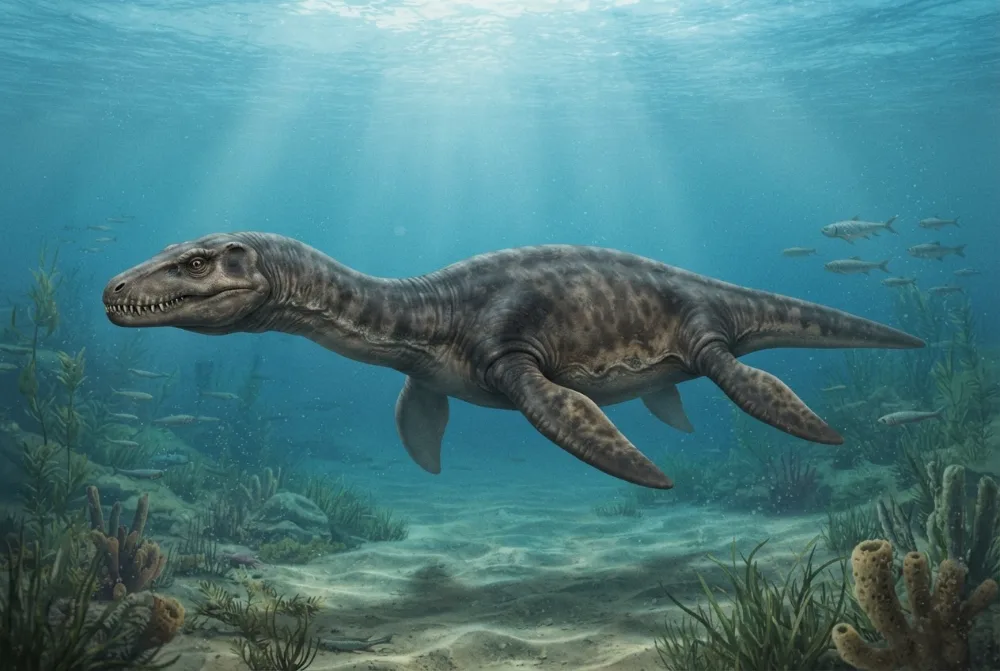
Polycotylus was a short-necked plesiosaur that swam in the warm seas of North America and Europe during the Cretaceous. It had a big head, strong flippers, and gave birth to live babies in the water, just like whales do today.1
ມັນມີຊີວິດຢູ່ເມື່ອໃດ?
ມັນໃຫຍ່ປານໃດ?
ມັນຍາວປານໃດ?
ມັນໜັກປານໃດ?
 ຍາວເທົ່າໝາ 5 ໂຕຕໍ່ກັນຈາກດັງຫາຫາງ🍌ຍາວເທົ່າກ້ວຍ 30 ໜ່ວຍຕໍ່ກັນ🍉ໜັກເທົ່າໝາກໂມ 200 ໜ່ວຍ🧸ໜັກເທົ່າເດັກອະນຸບານ 53 ຄົນ🎒ໜັກເທົ່ານັກຮຽນ 31 ຄົນ🐻❄️ໜັກເທົ່າໝີຂາວ 2 ໂຕ🏊ລອຍໄດ້ຄວາມຍາວສະລອຍນ້ຳໃຫຍ່ (50 ມ) ໃນ 6,7 ວິນາທີ
Polycotylus ໃຫຍ່ປານໃດ ເມື່ອທຽບກັບເຈົ້າ?
ແຄ່ຄິດໄລ່ໃນບຣາວເຊີຂອງເຈົ້າ. ບໍ່ມີຫຍັງຖືກບັນທຶກ ຫຼື ສົ່ງໄປໃສ.
ມັນໄວປານໃດ?


ເລື່ອງໜ້າຮູ້ມ່ວນໆ
Polycotylus was named by famous paleontologist Edward Drinker Cope in 1869 from fossils found in Kansas.1
A fossil of Polycotylus found in Kansas contains a single large fetus inside the mother, proving that these plesiosaurs gave live birth.1
The baby Polycotylus was about 1.5 metres (4.9 feet) long, which is about 32 percent of the mother's length.1
Polycotylus had a short neck and a long head, making it look a bit like a pliosaur, but it is actually a type of plesiosaur called a polycotylid.1
Its name means 'much-cupped vertebrae' because the bones in its spine have deep cup-like hollows.1
Polycotylus lived in the Western Interior Seaway, a shallow sea that split North America in two during the Cretaceous.1
Scientists think Polycotylus gave birth to just one large baby at a time, a strategy called K-selection.1
ຄຳຖາມທີ່ຖືກຖາມຫຼາຍທີ່ສຸດກ່ຽວກັບ Polycotylus
?How big was Polycotylus?
Polycotylus was a medium-sized plesiosaur, measuring about 4.7 to 5.4 metres (15 to 18 feet) long and weighing over 1 metric ton (1.1 short tons).1
?Did Polycotylus have a short neck?
Yes, Polycotylus had a short neck and a long head, unlike the long-necked plesiosaurs like Elasmosaurus.1
?What did Polycotylus eat?
Polycotylus had thick teeth with striations on their surfaces, which suggests it ate fish and other marine animals, but the sources do not give a specific diet.1
?When did Polycotylus live?
Polycotylus lived toward the end of the Cretaceous period, about 84 to 66 million years ago.1
ໄຂຄວາມເຊື່ອຜິດ
ຄວາມເຊື່ອຜິດ: Many people think all plesiosaurs had long necks like the Loch Ness Monster.
ຄວາມຈິງ: Polycotylus had a short neck and a large head, very different from long-necked plesiosaurs like Elasmosaurus.1
ສຳລັບຜູ້ຊ່ຽວຊານໄດໂນ
- ຊື່ວິທະຍາສາດ
- Polycotylus
- ຕັ້ງຊື່ໂດຍ
- Cope 18693
- ກຸ່ມ
- ພລີຊິໂອຊໍ
- ຄອບຄົວ / ເຄລດ
- Polycotylidae3
- ການຈັດໝວດໝູ່
- Plesiosauria > Sauropterygia3
- ອາຍຸຂອງຫີນ
- 152 ຫາ 72 ລ້ານປີ (Kimmeridgian / Campanian)3
- ຊັ້ນຫີນ
- Niobrara, Frontier, Mooreville Chalk3
- ປະເທດ
- ສະຫະລັດ, ຝຣັ່ງ, ຣັດເຊຍ3
- ບັນທຶກຟອສຊິລ
- 10 ໃນ The Paleobiology Database3
- ການຄົ້ນພົບ
- Edward Drinker Cope named Polycotylus in 1869 from fragmentary bones found in the Niobrara Formation of Kansas. A nearly complete skeleton was later found in Alabama in 1949 but not described until 2002.1
- ຍັງຖົກຖຽງກັນຢູ່
- Scientists are not sure exactly how many species of Polycotylus existed, and some species may be the same as others.1
ຂໍ້ມູນມາຈາກໃສ
- Polycotylus (en.wikipedia.org)
- PBDB Taxon (paleobiodb.org)
- Polycotylus in The Paleobiology Database (CC BY 4.0): ອາຍຸ, ສະຖານທີ່, ຊັ້ນຫີນ, ການຈັດໝວດໝູ່.
ທຸກຂໍ້ມູນໃນໜ້ານີ້ມີຕົວເລກທີ່ຊີ້ໄປຫາແຫຼ່ງອ້າງອີງ. ຖ້າພວກເຮົາຜິດພາດ, ຂໍໂທດເດີ, ພວກເຮົາເປັນແຟນໄດໂນ ບໍ່ແມ່ນວາລະສານວິທະຍາສາດ. ບອກພວກເຮົາທີ່ [email protected] ແລ້ວພວກເຮົາຈະແກ້ໄຂ.
 Rex ຫິວແລ້ວ! Dino Wiki ເປັນໂຄງການຂອງພໍ່ຄົນໜຶ່ງ ເພື່ອລູກຊາຍທີ່ມັກໄດໂນ, ຟຣີ ບໍ່ມີໂຄສະນາ ແລະ ບໍ່ມີຕົວຕິດຕາມ. ຜູ້ໃຫຍ່ສາມາດໃຫ້ອາຫານວ່າງແກ່ Rex ເພື່ອຊ່ວຍໃຫ້ເວັບຢູ່ອອນລາຍຕໍ່ໄປ.ໃຫ້ອາຫານ Rex
 Elasmosaurus
 Pliosaurus
 Plesiosaurus
 Cimoliasaurus
 Colymbosaurus
 Trinacromerum
 Stegosaurus
 Iguanodon
 Archaeopteryx
 Giganotosaurus
 Microraptor
 Deinonychus