 നീ ഏതു ദിനോയാണ്? ക്വിസ്
 ദിനോ പോരാട്ടം
 ദിനോ ഓട്ടമത്സരം
 ദിനോ മിനി ഗെയിമുകൾ
 സ്റ്റിക്കർ ആൽബം
 ദിനോ TOP ലിസ്റ്റുകൾ
 എന്നെ അത്ഭുതപ്പെടുത്തൂ!
Kaiwhekea
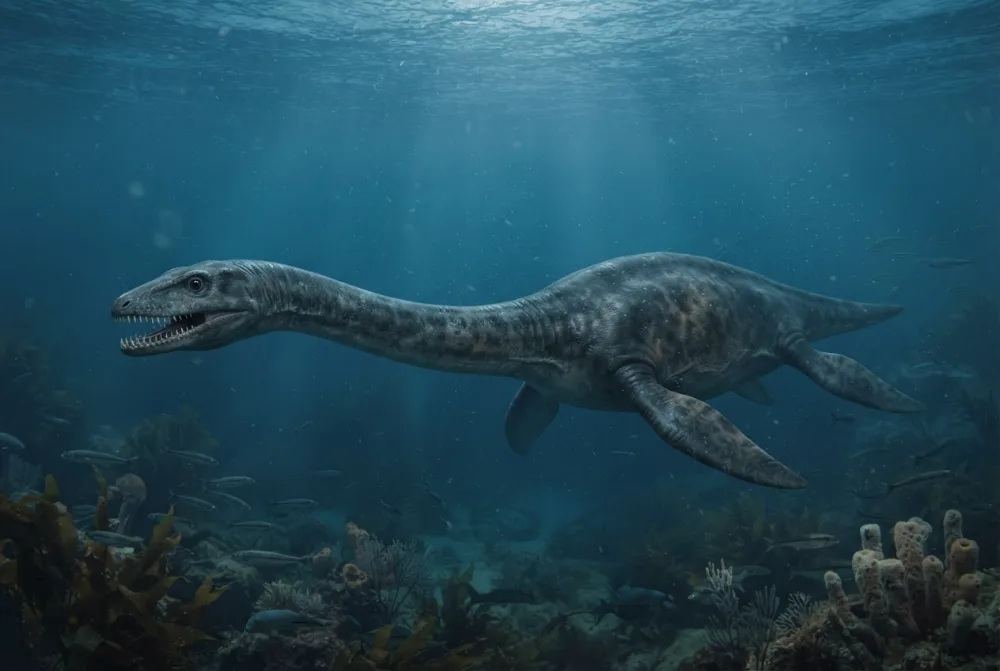
Kaiwhekea was a plesiosaur, a long-necked marine reptile that lived in the seas around New Zealand. It had a big head, large eyes and lots of small teeth for catching squid and other soft prey. This creature swam near the Antarctic polar circle during the time of the dinosaurs.1
അത് എപ്പോഴാണ് ജീവിച്ചിരുന്നത്?
അത് എത്ര വലുതായിരുന്നു?
അതിന് എത്ര നീളമുണ്ടായിരുന്നു?
 മൂക്കു മുതൽ വാൽ വരെ നിരന്നുനിൽക്കുന്ന 7 നായകളുടെ നീളം🍌നിരയായി വെച്ച 39 വാഴപ്പഴങ്ങളുടെ നീളം🏊ഒരു വലിയ നീന്തൽക്കുളത്തിന്റെ നീളം (50 മീ.) 6.9 സെക്കൻഡിൽ നീന്തും
Kaiwhekea നിന്നെ അപേക്ഷിച്ച് എത്ര വലുതായിരുന്നു?
നിന്റെ ബ്രൗസറിൽ വെറും കണക്കുകൂട്ടൽ മാത്രം. ഒന്നും സേവ് ചെയ്യുന്നില്ല, എവിടേക്കും അയയ്ക്കുന്നുമില്ല.
അത് എത്ര വേഗത്തിൽ ഓടുമായിരുന്നു?


രസകരമായ വസ്തുതകൾ
Kaiwhekea is one of the most complete fossil reptiles ever found in New Zealand, with its skull, jaws, vertebrae and ribs still connected almost as they were in life.1
Its name comes from Maori words meaning 'squid eater', because scientists think it fed on squid and other soft animals.1
Kaiwhekea had about 43 teeth in each upper jaw and 42 in each lower jaw, all small, slim and slightly curved.3
The fossil was found inside a large rock called a concretion, which was cracked and had to be dug out bit by bit over 30 days.1
When Kaiwhekea lived, the Otago region was close to the polar circle, with long summer days and long winter nights.1
Its large forward-facing eyes suggest it had good binocular vision, which might have helped it hunt in deep or dark water.1
Kaiwhekea is thought to have been a fast swimmer, based on the shape of its hind flippers.1
Kaiwhekea: ഏറ്റവും കൂടുതൽ ചോദിച്ച ചോദ്യങ്ങൾ
ദിനോ വിദഗ്ധർക്ക്
- ശാസ്ത്രീയ നാമം
- Kaiwhekea
- പേരിട്ടത്
- Cruickshank and Fordyce 20026
- ഗ്രൂപ്പ്
- പ്ലീസിയോസോറുകൾ
- കുടുംബം / ക്ലേഡ്
- Elasmosauridae6
- വർഗ്ഗീകരണം
- Plesiosauria > Elasmosauridae > Sauropterygia6
- പാറകളുടെ പ്രായം
- 84 മുതൽ 66 ദശലക്ഷം വർഷം വരെ (Campanian / Maastrichtian)6
- ശിലാസമൂഹങ്ങൾ
- Katiki6
- രാജ്യങ്ങൾ
- ന്യൂസിലൻഡ്6
- ഫോസിൽ രേഖകൾ
- The Paleobiology Database-ൽ 16
- കണ്ടെത്തൽ
- Kaiwhekea was named by Arthur Cruickshank and Ewan Fordyce in 2002, based on a single nearly complete skeleton found in the Katiki Formation near Shag Point, New Zealand.21
- ഇപ്പോഴും തർക്കത്തിൽ
- Scientists are not sure which family Kaiwhekea belongs to. Some say it is a cryptoclidid, others place it with elasmosaurids or other groups.21
വസ്തുതകൾ എവിടെനിന്ന്
- Kaiwhekea katiki, a Late Cretaceous plesiosaur from high southern latitudes (otago.ac.nz)
- PBDB Taxon (paleobiodb.org)
- A New Marine Reptile (Sauropterygia) from New Zealand: Further Evidence for A Late Cretaceous Austral Radiation of Cryptoclidid Plesiosaurs (onlinelibrary.wiley.com)
- Kaiwhekea (en.wikipedia.org)
- Most complete dinosaur-aged reptile from Aotearoa – Fossil Treasures of the Geology Museum (oercollective.caul.edu.au)
- Kaiwhekea in The Paleobiology Database (CC BY 4.0): പ്രായം, സ്ഥലങ്ങൾ, ശിലാസമൂഹങ്ങൾ, വർഗ്ഗീകരണം.
ഈ പേജിലെ ഓരോ വസ്തുതയ്ക്കും ഒരു നമ്പറുണ്ട്, അത് അതിന്റെ ഉറവിടത്തിലേക്ക് ചൂണ്ടുന്നു. എന്തെങ്കിലും തെറ്റിപ്പോയെങ്കിൽ ക്ഷമിക്കണം, ഞങ്ങൾ ദിനോ ആരാധകരാണ്, ശാസ്ത്ര ജേണലല്ല. [email protected] എന്ന വിലാസത്തിൽ അറിയിക്കൂ, ഞങ്ങൾ ശരിയാക്കാം.
 റെക്സിന് വിശക്കുന്നു! ദിനോസറുകളെ ഇഷ്ടപ്പെടുന്ന മകനുവേണ്ടി ഒരു അച്ഛൻ ഉണ്ടാക്കിയതാണ് Dino Wiki, പരസ്യങ്ങളും ട്രാക്കറുകളുമില്ലാതെ തികച്ചും സൗജന്യം. ഇത് ഓൺലൈനിൽ നിലനിർത്താൻ മുതിർന്നവർക്ക് റെക്സിന് ഒരു സ്നാക്ക് കൊടുക്കാം.റെക്സിനെ ഊട്ടൂ
 Elasmosaurus
 Pliosaurus
 Plesiosaurus
 Cimoliasaurus
 Colymbosaurus
 Trinacromerum
 Tyrannosaurus
 Triceratops
 Velociraptor
 Spinosaurus
 Ankylosaurus
 Parasaurolophus