 Kwizi ya Ndiwe dino uti?
 Nkhondo ya madino
 Mpikisano wa madino
 Masewera ang'onoang'ono a madino
 Chimbale cha zomata
 Mindandanda ya TOP ya madino
 Ndidabwitse!
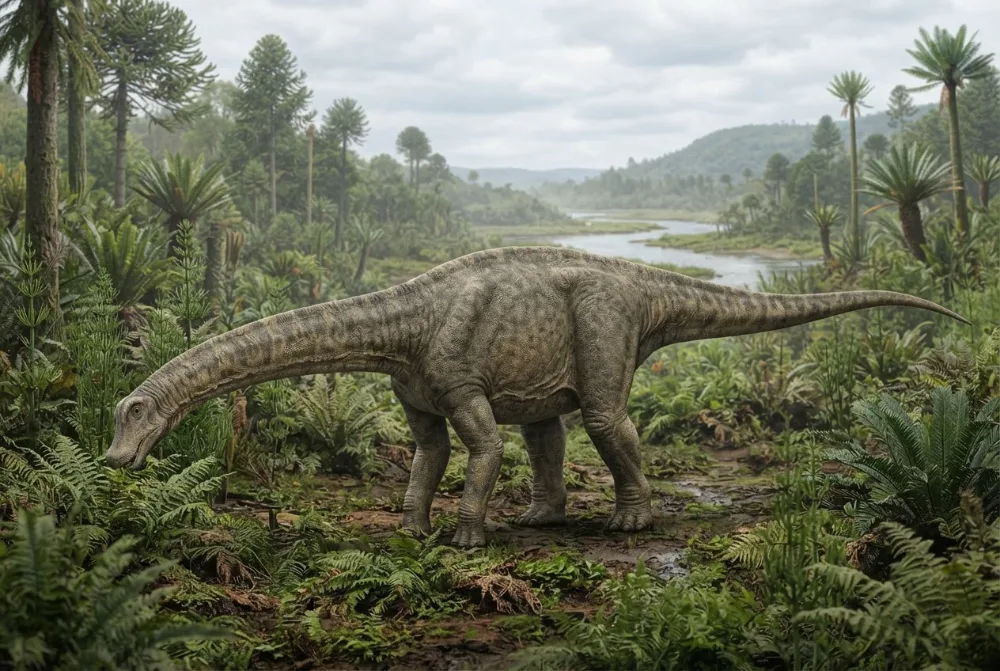
Lingwulong
Lingwulong was a long-necked plant-eater that lived about 174 million years ago. It was one of the earliest diplodocoid sauropods ever found, and the first one discovered in East Asia. Its fossils were a big surprise to scientists!21
Ankakhala liti?
Anali wamkulu bwanji?
Anali wautali bwanji?
Msinkhu wake unali wautali bwanji?
kuyerekeza
Ankalemera bwanji?
 wautali ngati magalimoto 3 oimikidwa pamzere🍌wautali ngati nthochi 78 zotsatizana
 wolemera ngati njovu 2🍉wolemera ngati mavwende 2200🎒wolemera ngati makalasi athunthu a ana a sukulu 14🐻❄️wolemera ngati zimbalangondo zoyera 24🏃akanatha kuthamanga mamita 100 m'masekondi 24 (munthu waliwiro kwambiri amafunika 9.6)
Lingwulong anali wamkulu bwanji poyerekeza ndi IWEYO?
Ndi masamu chabe mu msakatuli wako. Palibe chimene chimasungidwa kapena kutumizidwa kwina kulikonse.
Anali ndi liwiro lotani?


Mfundo zosangalatsa
Lingwulong is the earliest known diplodocoid sauropod, living about 174 million years ago in the Middle Jurassic.2
It is the only definite diplodocoid dinosaur ever found in East Asia, challenging the idea that this group never lived there.1
The fossils include 7 to 10 partial skeletons, from juveniles to adults, including parts of two skulls.2
Its name means 'amazing dragon from Lingwu' because finding a dicraeosaurid in China was so unexpected.1
Lingwulong belonged to Dicraeosauridae, a group of sauropods with shorter necks and spines on their vertebrae.2
Its discovery suggests that many advanced sauropod groups spread across the world while the supercontinent Pangaea was still together.2
Mafunso ofunsidwa kwambiri okhudza Lingwulong
?How big was Lingwulong?
Scientists have not given a specific length or weight for Lingwulong in the sources, so its exact size is not known. It was a diplodocoid sauropod, and many of its relatives were large, but no exact numbers are available.12
?What did Lingwulong eat?
Lingwulong was a plant-eater. As a sauropod dinosaur, it ate plants.2
Kwa akatswiri a madino
- Dzina la sayansi
- Lingwulong
- Anapatsidwa dzina ndi
- Xu et al. 20184
- Gulu
- Makosi atali
- Banja / kladi
- Flagellicaudata4
- Magawidwe a sayansi
- Sauropodomorpha > Sauropoda > Diplodocoidea4
- Zaka za miyala
- zaka 175 mpaka 162 miliyoni (Aalenian / Callovian)4
- Mayiko
- China4
- Zolemba za mafosili
- 1 mu The Paleobiology Database4
- Kupezeka
- Lingwulong was named in 2018 by Xu Xing and colleagues based on fossils found from 2005 onward in the Yanan Formation of China.21
- Akukambiranabe
- Scientists are still debating whether the absence of neosauropods in the Late Jurassic of East Asia is due to real extinction or just poor fossil sampling.2
Kumene mfundo zimachokera
- Lingwulong (en.wikipedia.org)
- A new Middle Jurassic diplodocoid suggests an earlier dispersal and diversification of sauropod dinosaurs | Nature Communications (preview-www.nature.com)
- Brontosaurus Relatives Unearthed in East Asia for the First Time - AIP.ORG (aip.org)
- Lingwulong in The Paleobiology Database (CC BY 4.0): zaka, malo, mapangidwe a miyala, magawidwe a sayansi.
Mfundo iliyonse patsamba lino ili ndi nambala yosonyeza kumene yachokera. Ngati talakwitsa kanthu, pepa, ndife okonda madino, osati magazini ya sayansi. Tiuze pa [email protected] ndipo tikonza.
 Rex ali ndi njala! Dino Wiki ndi ntchito ya bambo kwa mwana wawo wamwamuna wokonda madainoso, yaulere popanda zotsatsa ndi zokazonda. Akuluakulu angadyetse Rex zokhwasula-khwasula kuti tsambali lipitirize kupezeka pa intaneti.Dyetsa Rex
 Brachiosaurus
 Diplodocus
 Brontosaurus
 Argentinosaurus
 Camarasaurus
 Morosaurus
 Ichthyosaurus
 Khudiakovia
 Ophthalmosaurus
 Pterodactylus
 Peloneustes
 Rhamphocephalus