 Kwizi ya Ndiwe dino uti?
 Nkhondo ya madino
 Mpikisano wa madino
 Masewera ang'onoang'ono a madino
 Chimbale cha zomata
 Mindandanda ya TOP ya madino
 Ndidabwitse!
Ankakhala liti?

Anali wamkulu bwanji?
Anali wautali bwanji?
Msinkhu wake unali wautali bwanji?
Ankalemera bwanji?
 wautali ngati agalu 4 otsatizana mphuno ndi mchira🍌wautali ngati nthochi 22 zotsatizana🍉wolemera ngati mavwende 100🧸wolemera ngati ana a sukulu ya mkaka 26🎒wolemera ngati ana a sukulu 16🏃akanatha kuthamanga mamita 100 m'masekondi 7.8 (munthu waliwiro kwambiri amafunika 9.6)
Magnosaurus anali wamkulu bwanji poyerekeza ndi IWEYO?
Ndi masamu chabe mu msakatuli wako. Palibe chimene chimasungidwa kapena kutumizidwa kwina kulikonse.
Anali ndi liwiro lotani?


Mfundo zosangalatsa
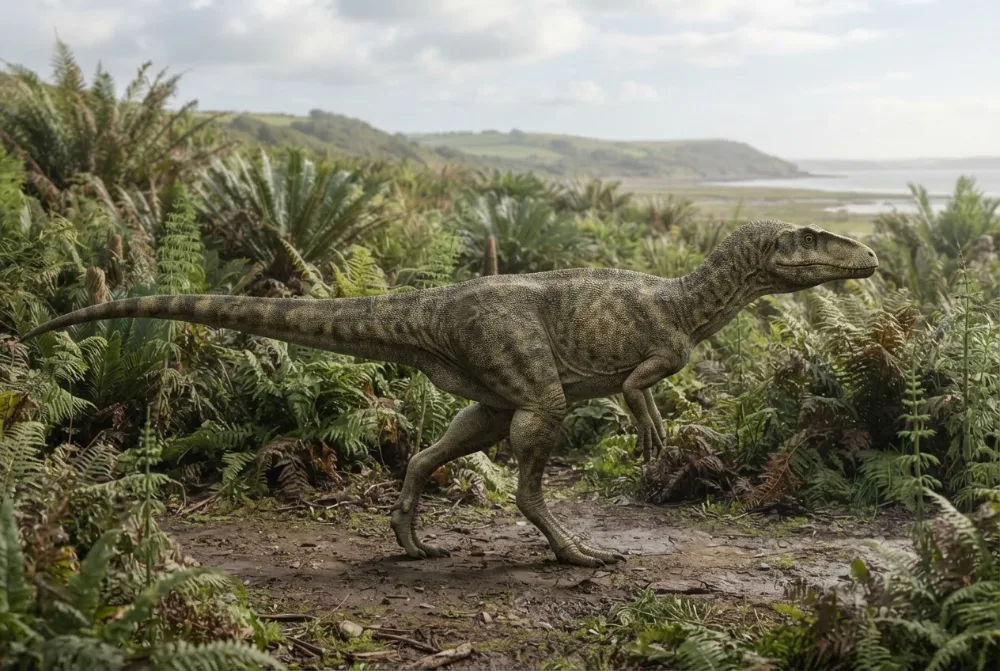
Magnosaurus is known from only a few bones, including parts of the jaw, backbone, hip, and legs, so scientists are still piecing together what it looked like.1
For a long time, scientists thought Magnosaurus was just a species of Megalosaurus, another meat-eating dinosaur. It was only in the 1990s that they started treating it as its own genus.1
Some scientists think Magnosaurus might be the same as Eustreptospondylus, another dinosaur from England, because their jaws look similar.12
The first Magnosaurus fossils were found in the 1800s by a man named W. Parker, near a place called Nethercomb in Dorset, England.1
Magnosaurus lived during the Middle Jurassic period, about 170 to 168 million years ago, when England was a very different place.14
Some scientists think Magnosaurus was one of the oldest known members of a group of meat-eating dinosaurs called Tetanurae, which includes famous dinosaurs like Tyrannosaurus and Velociraptor.1
Mafunso ofunsidwa kwambiri okhudza Magnosaurus
?How big was Magnosaurus?
Estimates vary. One scientist guessed it was about 4 metres (13 feet) long and weighed around 175 kilograms (386 pounds), while another thought it was heavier, about half a tonne, and stood over a metre tall at the hip.1
?What did Magnosaurus eat?
Magnosaurus was a carnivore, meaning it ate meat. It was a bipedal predator that likely hunted other animals.13
?When did Magnosaurus live?
Magnosaurus lived during the Middle Jurassic period, about 175 to 168 million years ago. Its fossils were found in rocks that are about 170 million years old.13
Wothetsa nthano zabodza
Nthano: Magnosaurus is just a species of Megalosaurus.
Zoona: Scientists now think Magnosaurus is its own genus, separate from Megalosaurus, because of differences in the bones, like the shape of the shin bone.1
Kwa akatswiri a madino
- Dzina la sayansi
- Magnosaurus
- Anapatsidwa dzina ndi
- Huene 19324
- Gulu
- Madino odya nyama
- Banja / kladi
- Megalosauridae4
- Magawidwe a sayansi
- Theropoda4
- Zaka za miyala
- zaka 171 mpaka 169 miliyoni (Bajocian)4
- Mapangidwe a miyala
- Middle Inferior Oolite4
- Mayiko
- United Kingdom4
- Zolemba za mafosili
- 1 mu The Paleobiology Database4
- Kupezeka
- The first fossils were found in the 1800s by W. Parker near Nethercomb, Dorset, England. In 1923, Friedrich von Huene named them Megalosaurus nethercombensis, and in 1932 he gave them their own genus, Magnosaurus.1
- Akukambiranabe
- Scientists are still debating whether Magnosaurus is the same as Eustreptospondylus, because their fossils are so similar and incomplete.12
Kumene mfundo zimachokera
- Magnosaurus (en.wikipedia.org)
- Magnosaurus Huene, 1932 (tb.plazi.org)
- Magnosaurus Facts for Kids (kids.kiddle.co)
- Magnosaurus in The Paleobiology Database (CC BY 4.0): zaka, malo, mapangidwe a miyala, magawidwe a sayansi.
Mfundo iliyonse patsamba lino ili ndi nambala yosonyeza kumene yachokera. Ngati talakwitsa kanthu, pepa, ndife okonda madino, osati magazini ya sayansi. Tiuze pa [email protected] ndipo tikonza.
 Rex ali ndi njala! Dino Wiki ndi ntchito ya bambo kwa mwana wawo wamwamuna wokonda madainoso, yaulere popanda zotsatsa ndi zokazonda. Akuluakulu angadyetse Rex zokhwasula-khwasula kuti tsambali lipitirize kupezeka pa intaneti.Dyetsa Rex
 Allosaurus
 Carnotaurus
 Dilophosaurus
 Giganotosaurus
 Compsognathus
 Paronychodon
 Ichthyosaurus
 Khudiakovia
 Ophthalmosaurus
 Pterodactylus
 Peloneustes
 Rhamphocephalus