 ତୁମେ କେଉଁ ଡାଇନୋ? କୁଇଜ୍
 ଡାଇନୋ ଲଢ଼େଇ
 ଡାଇନୋ ଦୌଡ଼
 ଡାଇନୋ ମିନି ଖେଳ
 ଷ୍ଟିକର୍ ଆଲବମ୍
 ଡାଇନୋ TOP ତାଲିକା
 ମୋତେ ଚମକାଅ!
Cuspicephalus
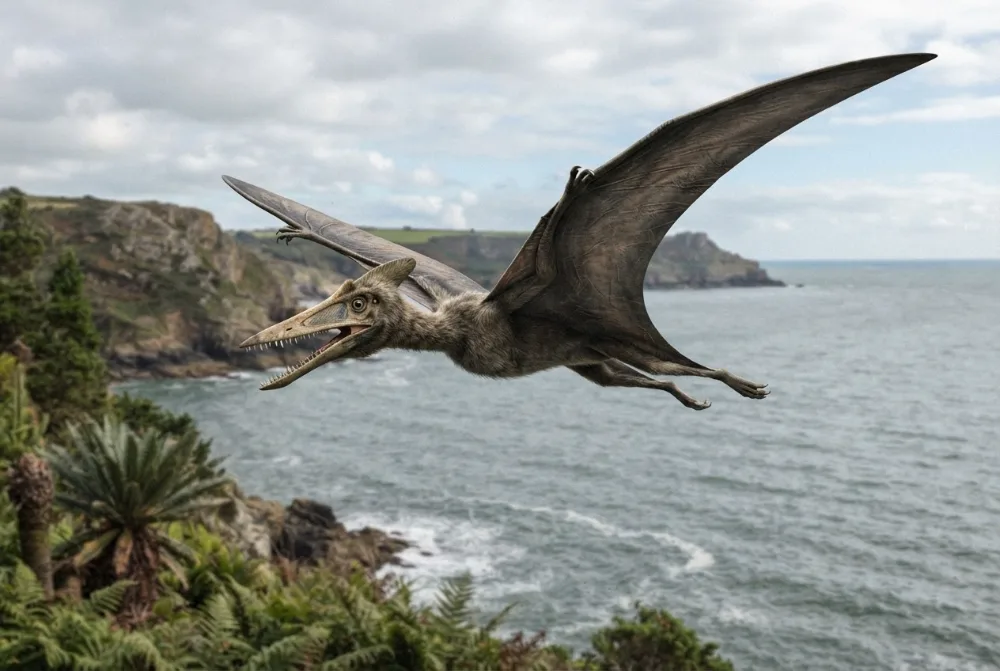
Cuspicephalus was a flying reptile that lived near the sea in what is now England. It had a very long, pointy skull and caught fish with its many teeth.23
ଏହା କେବେ ବଞ୍ଚିଥିଲା?
ଏହା କେତେ ବଡ଼ ଥିଲା?
ଏହାର ଡେଣା କେତେ ଚଉଡ଼ା ଥିଲା?
 ନାକରୁ ଲାଞ୍ଜ ଯାଏ ଧାଡ଼ିରେ 4ଟି ଘରପୋଷା ବିରାଡ଼ି ଭଳି ଲମ୍ବା⚽ପୁରା ଫୁଟବଲ୍ ପଡ଼ିଆ 8.4 ସେକେଣ୍ଡରେ ଉଡ଼ି ପାର ହୋଇପାରୁଥିଲା
ତୁମ ତୁଳନାରେ Cuspicephalus କେତେ ବଡ଼ ଥିଲା?
ତୁମ ବ୍ରାଉଜରରେ କେବଳ ଟିକେ ଗଣିତ। କିଛି ସେଭ୍ ହୁଏ ନାହିଁ କି କୁଆଡ଼େ ପଠାଯାଏ ନାହିଁ।
ଏହା କେତେ ଦ୍ରୁତ ଥିଲା?


ମଜାଦାର ତଥ୍ୟ
Cuspicephalus had a skull that was almost five and a half times longer than it was tall. That is the most extreme ratio of any pterosaur.2
Its name means 'pointed head' and it was named after the cartoonist Gerald Scarfe, whose drawings often have very pointy noses.1
Cuspicephalus is one of the first non-pterodactyloid monofenestratan pterosaurs found outside China.1
The only known fossil is a flattened skull found on a beach at Kimmeridge Bay, part of the Jurassic Coast World Heritage Site.21
Cuspicephalus had at least 12 or 13 pairs of teeth in front of a large hole in its skull called the nasoantorbital fenestra.1
ସବୁଠୁ ବେଶି ପଚରାଯାଉଥିବା ପ୍ରଶ୍ନ: Cuspicephalus
ଡାଇନୋ ବିଶେଷଜ୍ଞଙ୍କ ପାଇଁ
- ବୈଜ୍ଞାନିକ ନାମ
- Cuspicephalus
- ନାମ ଦେଇଥିଲେ
- Martill and Etches 20133
- ଗୋଷ୍ଠୀ
- ଉଡ଼ନ୍ତା ସରୀସୃପ
- ପରିବାର / କ୍ଲେଡ୍
- Monofenestrata3
- ବର୍ଗୀକରଣ
- Pterosauria3
- ପଥରର ବୟସ
- 155 ରୁ 152 ନିୟୁତ ବର୍ଷ (Kimmeridgian)3
- ଶିଳା ଗଠନ
- Kimmeridge Clay3
- ଦେଶ
- ଯୁକ୍ତରାଜ୍ୟ3
- ଜୀବାଶ୍ମ ରେକର୍ଡ
- The Paleobiology Database ରେ 13
- ଆବିଷ୍କାର
- Fossil collector Steve Etches found the partial skull in December 2009 at Kimmeridge Bay, Dorset, England. Scientists David Martill and Steve Etches named it Cuspicephalus scarfi in 2013.21
- ଏବେ ବି ବିତର୍କ ଚାଲିଛି
- Scientists are not sure whether Cuspicephalus was more closely related to Darwinopterus or to pterodactyloids like Germanodactylus.1
ତଥ୍ୟ କେଉଁଠୁ ଆସେ
- A new monofenestratan pterosaur from the Kimmeridge (app.pan.pl)
- Cuspicephalus (en.wikipedia.org)
- Cuspicephalus in The Paleobiology Database (CC BY 4.0): ବୟସ, ସ୍ଥାନ, ଶିଳା ଗଠନ, ବର୍ଗୀକରଣ।
ଏହି ପୃଷ୍ଠାର ପ୍ରତ୍ୟେକ ତଥ୍ୟ ପାଖରେ ଗୋଟେ ନମ୍ବର ଅଛି, ଯାହା ତାର ଉତ୍ସ ଦେଖାଏ। ଯଦି ଆମେ କିଛି ଭୁଲ କରିଛୁ, କ୍ଷମା କରିବ, ଆମେ ଡାଇନୋ ପ୍ରେମୀ, ବିଜ୍ଞାନ ପତ୍ରିକା ନୁହଁ। ଆମକୁ [email protected] ରେ ଜଣାଅ, ଆମେ ଠିକ୍ କରିଦେବୁ।
 ରେକ୍ସକୁ ଭୋକ ଲାଗିଛି! Dino Wiki ହେଉଛି ଜଣେ ବାପାଙ୍କ ପ୍ରୋଜେକ୍ଟ, ତାଙ୍କ ଡାଇନୋପ୍ରେମୀ ପୁଅ ପାଇଁ, ମାଗଣା, ବିଜ୍ଞାପନ ଓ ଟ୍ରାକର୍ ବିନା। ବଡ଼ମାନେ ରେକ୍ସକୁ ଟିକେ ଜଳଖିଆ ଖୁଆଇ ଏହାକୁ ଅନଲାଇନ୍ ରଖିବାରେ ସାହାଯ୍ୟ କରିପାରିବେ।ରେକ୍ସକୁ ଖୁଆଅ
 Pteranodon
 Quetzalcoatlus
 Dorygnathus
 Rhamphorhynchus
 Anhanguera
 Pterodactylus
 Brachiosaurus
 Diplodocus
 Allosaurus
 Brontosaurus
 Compsognathus
 Camarasaurus