 ତୁମେ କେଉଁ ଡାଇନୋ? କୁଇଜ୍
 ଡାଇନୋ ଲଢ଼େଇ
 ଡାଇନୋ ଦୌଡ଼
 ଡାଇନୋ ମିନି ଖେଳ
 ଷ୍ଟିକର୍ ଆଲବମ୍
 ଡାଇନୋ TOP ତାଲିକା
 ମୋତେ ଚମକାଅ!
Tsintaosaurus
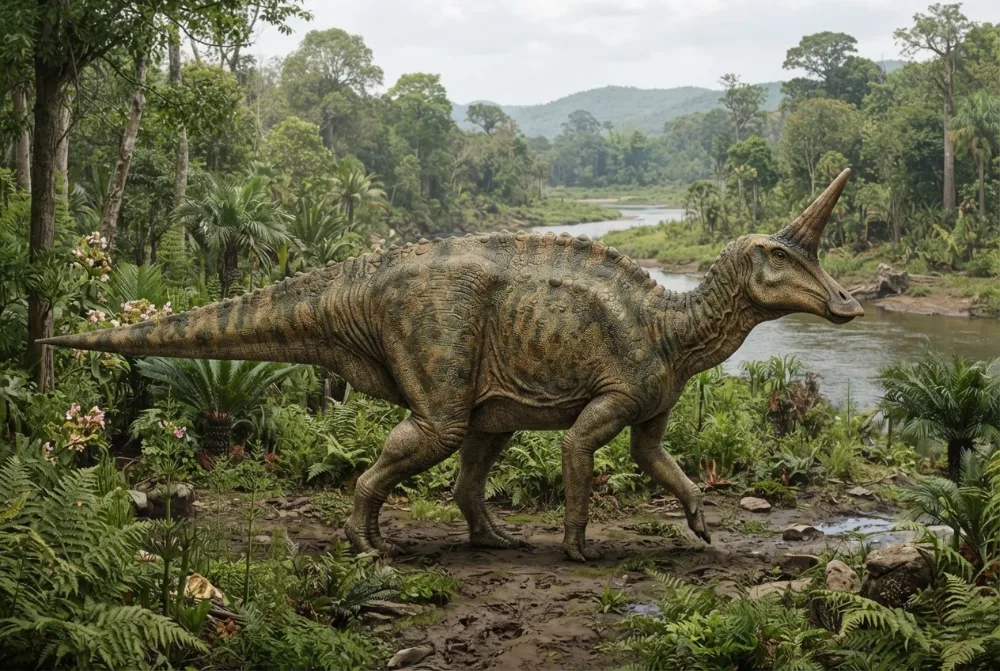
Tsintaosaurus was a duck-billed dinosaur that lived in China during the Late Cretaceous. It had a strange, hollow crest on its head that looked a bit like a unicorn horn. This plant-eater could walk on four legs or run on two to escape predators.21
ଏହା କେବେ ବଞ୍ଚିଥିଲା?
ଏହା କେତେ ବଡ଼ ଥିଲା?
ଏହା କେତେ ଲମ୍ବା ଥିଲା?
ଏହା କେତେ ଉଚ୍ଚ ଥିଲା?
ଏହା କେତେ ଭାରୀ ଥିଲା?
 ଧାଡ଼ିରେ ପାର୍କ କରାଯାଇଥିବା 2.5ଟି କାର୍ ଭଳି ଲମ୍ବା🍌ଧାଡ଼ିରେ ରଖାଯାଇଥିବା 67ଟି କଦଳୀ ଭଳି ଲମ୍ବା
 120ଟି କୁକୁର ଭଳି ଭାରୀ🍉500ଟି ତରଭୁଜ ଭଳି ଭାରୀ🎒3ଟି ପୁରା ସ୍କୁଲ କ୍ଲାସର ପିଲାଙ୍କ ଭଳି ଭାରୀ🐻❄️6ଟି ମେରୁ ଭାଲୁ ଭଳି ଭାରୀ🏃100 ମିଟର 14 ସେକେଣ୍ଡରେ ଦୌଡ଼ିପାରୁଥିଲା (ସବୁଠୁ ଦ୍ରୁତ ମଣିଷକୁ 9.6 ଲାଗେ)
ତୁମ ତୁଳନାରେ Tsintaosaurus କେତେ ବଡ଼ ଥିଲା?
ତୁମ ବ୍ରାଉଜରରେ କେବଳ ଟିକେ ଗଣିତ। କିଛି ସେଭ୍ ହୁଏ ନାହିଁ କି କୁଆଡ଼େ ପଠାଯାଏ ନାହିଁ।
ଏହା କେତେ ଦ୍ରୁତ ଥିଲା?


ମଜାଦାର ତଥ୍ୟ
Tsintaosaurus was first thought to have a unicorn-like horn, but scientists now think the crest was actually part of a larger, hollow structure on its snout.2
The crest was hollow and may have been used to make loud honking sounds to communicate with other Tsintaosaurus.2
It lived about 84 to 71 million years ago, during the Campanian stage of the Late Cretaceous.1
Tsintaosaurus is known from skulls and a partial skeleton, so scientists are still learning about its body.1
Like other hadrosaurs, Tsintaosaurus probably traveled in herds for protection.2
The name Tsintaosaurus comes from the old spelling of Qingdao, the city near where it was found.2
ସବୁଠୁ ବେଶି ପଚରାଯାଉଥିବା ପ୍ରଶ୍ନ: Tsintaosaurus
?How big was Tsintaosaurus?
About 8.3 metres (27 feet) long and weighed 2.5 tonnes (2.8 short tons), according to Wikipedia. The Natural History Museum gives a length of 12.0 metres, so estimates vary.21
?What did Tsintaosaurus eat?
It was a plant-eater. It had a duck-like beak and strong teeth for chewing vegetation.21
?Why did Tsintaosaurus have a crest?
The crest was hollow and may have been used to make loud honking sounds to communicate. It might also have helped attract mates, and the hollow tube made the crest lighter.24
?Could Tsintaosaurus swim?
It had a large tail that may have helped it swim, according to the Australian Museum. It probably lived near lakes and rivers.4
ଭୁଲ ଧାରଣା ଭଙ୍ଗା
ଭୁଲ ଧାରଣା: Tsintaosaurus had a single, solid horn like a unicorn.
ସତ୍ୟ: The crest was actually hollow and was the back part of a larger, flat crest that ran from the tip of the snout.2
ଡାଇନୋ ବିଶେଷଜ୍ଞଙ୍କ ପାଇଁ
- ବୈଜ୍ଞାନିକ ନାମ
- Tsintaosaurus
- ନାମ ଦେଇଥିଲେ
- Young 19585
- ଗୋଷ୍ଠୀ
- ବତକ-ଥଣ୍ଟିଆ
- ପରିବାର / କ୍ଲେଡ୍
- Hadrosauridae5
- ବର୍ଗୀକରଣ
- Ornithischia > Ornithopoda > Iguanodontia > Hadrosauridae5
- ପଥରର ବୟସ
- 84 ରୁ 72 ନିୟୁତ ବର୍ଷ (Campanian)5
- ଶିଳା ଗଠନ
- Jingangkou5
- ଦେଶ
- ଚୀନ୍5
- ଜୀବାଶ୍ମ ରେକର୍ଡ
- The Paleobiology Database ରେ 45
- ଆବିଷ୍କାର
- Chinese paleontologist C. C. Young named Tsintaosaurus in 1958 after fossils were found near Laiyang, Shandong, China.21
- ଏବେ ବି ବିତର୍କ ଚାଲିଛି
- Scientists still debate the exact shape and function of Tsintaosaurus's head crest, because only a few fossils have been found.2
ତଥ୍ୟ କେଉଁଠୁ ଆସେ
- Tsintaosaurus | Natural History Museum (nhm.ac.uk)
- Tsintaosaurus (en.wikipedia.org)
- Tsintaosaurus: Discover more about this Dinosaur | Dinosaurland (dinosaurland.es)
- Dinosaurs - Tsintaosaurus spinorhinus - The Australian Museum (australian.museum)
- Tsintaosaurus in The Paleobiology Database (CC BY 4.0): ବୟସ, ସ୍ଥାନ, ଶିଳା ଗଠନ, ବର୍ଗୀକରଣ।
ଏହି ପୃଷ୍ଠାର ପ୍ରତ୍ୟେକ ତଥ୍ୟ ପାଖରେ ଗୋଟେ ନମ୍ବର ଅଛି, ଯାହା ତାର ଉତ୍ସ ଦେଖାଏ। ଯଦି ଆମେ କିଛି ଭୁଲ କରିଛୁ, କ୍ଷମା କରିବ, ଆମେ ଡାଇନୋ ପ୍ରେମୀ, ବିଜ୍ଞାନ ପତ୍ରିକା ନୁହଁ। ଆମକୁ [email protected] ରେ ଜଣାଅ, ଆମେ ଠିକ୍ କରିଦେବୁ।
 ରେକ୍ସକୁ ଭୋକ ଲାଗିଛି! Dino Wiki ହେଉଛି ଜଣେ ବାପାଙ୍କ ପ୍ରୋଜେକ୍ଟ, ତାଙ୍କ ଡାଇନୋପ୍ରେମୀ ପୁଅ ପାଇଁ, ମାଗଣା, ବିଜ୍ଞାପନ ଓ ଟ୍ରାକର୍ ବିନା। ବଡ଼ମାନେ ରେକ୍ସକୁ ଟିକେ ଜଳଖିଆ ଖୁଆଇ ଏହାକୁ ଅନଲାଇନ୍ ରଖିବାରେ ସାହାଯ୍ୟ କରିପାରିବେ।ରେକ୍ସକୁ ଖୁଆଅ
 Parasaurolophus
 Edmontosaurus
 Saurolophus
 Hypacrosaurus
 Corythosaurus
 Kritosaurus
 Tyrannosaurus
 Triceratops
 Velociraptor
 Spinosaurus
 Ankylosaurus
 Pteranodon