 Uri dinozore iyihe? Umukino w'ibibazo
 Intambara ya dinozore
 Isiganwa rya dinozore
 Imikino mito ya dinozore
 Alubumu ya sitikeri
 Intonde za TOP za dinozore
 Ntungura!
Imperobator
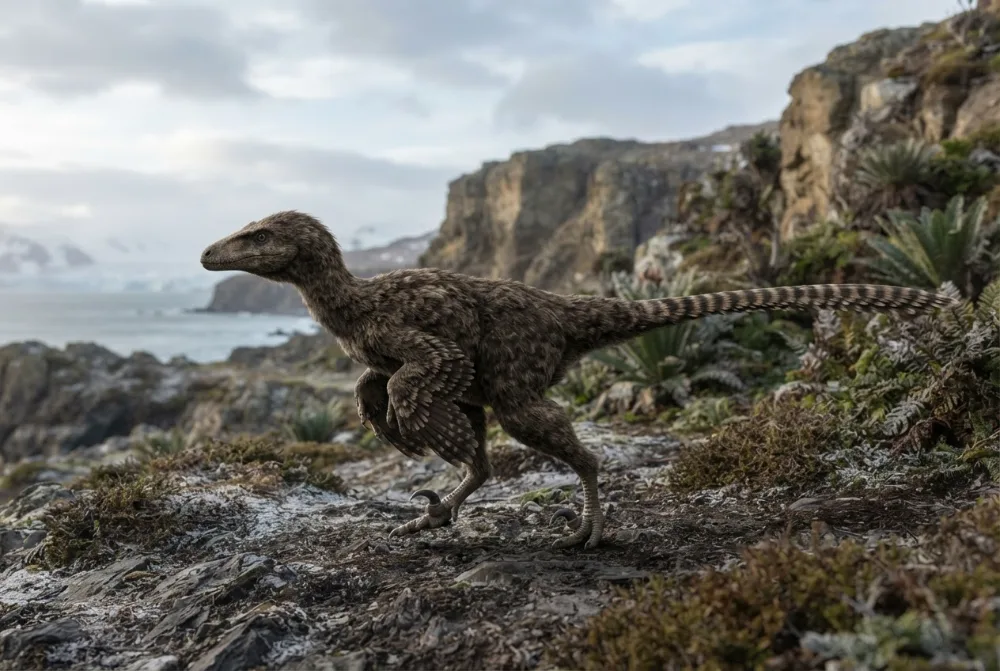
Imperobator was a meat-eating dinosaur that lived in Antarctica during the Late Cretaceous. It was one of only two non-bird theropods known from that icy continent. Scientists think it was a close cousin of the famous raptors like Velociraptor.1
Yabayeho ryari?
Yanganaga ite?
Yari ndende ite?
Ubutumburuke bwayo bwanganaga iki?
 ndende nk'imbwa 3 zikurikiranye🍌ndende nk'imineke 17 ikurikiranye🏃yashoboraga kwiruka metero 100 mu masegonda 7,2 (umuntu wihuta kurusha abandi akenera 9,6)
Imperobator yanganaga ite ugereranyije NAWE?
Ni imibare gusa ibarirwa muri mushakisha yawe. Nta kintu kibikwa cyangwa cyoherezwa ahandi.
Yihutaga ite?


Utuntu dushimishije
Imperobator is one of only two non-avian theropod dinosaurs ever found in Antarctica.1
Its foot did not have the famous sickle claw that most raptors have, which surprised scientists.1
The first fossils were discovered in 2003 by a team from the University of California Museum of Paleontology.1
Imperobator lived about 71 million years ago, when Antarctica was warmer and covered in forests.1
It shared its home with the ornithopod dinosaur Morrosaurus and the bird Antarcticavis.1
Scientists are still debating whether Imperobator was a true dromaeosaur or a more primitive paravian.1
Ibibazo bibazwa cyane kuri Imperobator
?How big was Imperobator?
Imperobator was about 2 to 3 metres long, similar in size to Deinonychus. It was originally thought to be much larger, like Utahraptor, but later studies showed it was smaller.1
?Did Imperobator have a sickle claw?
No, Imperobator did not have the famous sickle claw on its foot that most raptors have. This surprised scientists and helped them figure out it was not a true dromaeosaur.1
?What did Imperobator eat?
Imperobator was a meat-eating dinosaur. Its teeth were long, curved, and bladed, just like those of other carnivorous paravians.1
?Where was Imperobator found?
Imperobator was found on James Ross Island in Antarctica. The first fossils were discovered in 2003 by a team from the University of California Museum of Paleontology.1
?When did Imperobator live?
Imperobator lived about 71 million years ago, during the Late Cretaceous period. At that time, Antarctica was warmer and covered in forests.1
?Is Imperobator a dinosaur?
Yes, Imperobator is a non-avian theropod dinosaur. It is one of only two non-bird theropods ever found in Antarctica.1
Gusenya ibinyoma
Ibivugwa: Imperobator had a sickle claw like Velociraptor.
Ukuri: Imperobator lacked the distinctive sickle claw on its foot, which sets it apart from typical dromaeosaurs.1
Ku bazobereye muri dinozore
- Izina rya siyansi
- Imperobator
- Yiswe na
- Ely and Case 20192
- Itsinda
- Raputori
- Umuryango / ishami
- Dromaeosauridae2
- Ishyirwa mu byiciro
- Theropoda > Dromaeosauridae2
- Imyaka y'amabuye
- imyaka miliyoni 72 kugeza 66 (Maastrichtian)2
- Inzego z'amabuye
- Snow Hill Island2
- Ibihugu
- Antaragitika2
- Ibisigazwa byanditswe
- 1 muri The Paleobiology Database2
- Ivumburwa
- Imperobator was named by Ricardo Ely and Judd Case in 2019. The fossils were first found in 2003 on James Ross Island, Antarctica, and were initially thought to be a dromaeosaur.12
- Biracyagibwaho impaka
- Scientists are not sure whether Imperobator belongs to the dromaeosaur family or to a more primitive group of paravians.1
Aho amakuru yakuwe
- Imperobator (en.wikipedia.org)
- Imperobator in The Paleobiology Database (CC BY 4.0): imyaka, ahantu, inzego z'amabuye, ishyirwa mu byiciro.
Buri kintu kiri kuri uru rupapuro gifite nimero yerekana aho cyakuwe. Niba hari icyo twibeshye, tubabarire, turi abakunzi ba dinozore, ntituri ikinyamakuru cya siyansi. Tubwire kuri [email protected] tuzagikosora.
 Rex arashonje! Dino Wiki ni umushinga wa papa umwe yakoreye umuhungu we ukunda dinozore, ni ubuntu, nta matangazo kandi nta bigukurikirana. Abantu bakuru bashobora guha Rex akantu ko kurya kugira ngo Dino Wiki ikomeze kuboneka kuri interineti.Gaburira Rex
 Velociraptor
 Microraptor
 Deinonychus
 Asiamericana
 Richardoestesia
 Saurornitholestes
 Tyrannosaurus
 Triceratops
 Spinosaurus
 Ankylosaurus
 Parasaurolophus
 Pteranodon