 Uri dhino ripi? Kwizi
 Hondo yemadhino
 Mujaho wemadhino
 Mitambo midiki yemadhino
 Arubhamu yemasitika
 Rondedzero dzeTOP dzemadhino
 Ndishamise!
Athenar
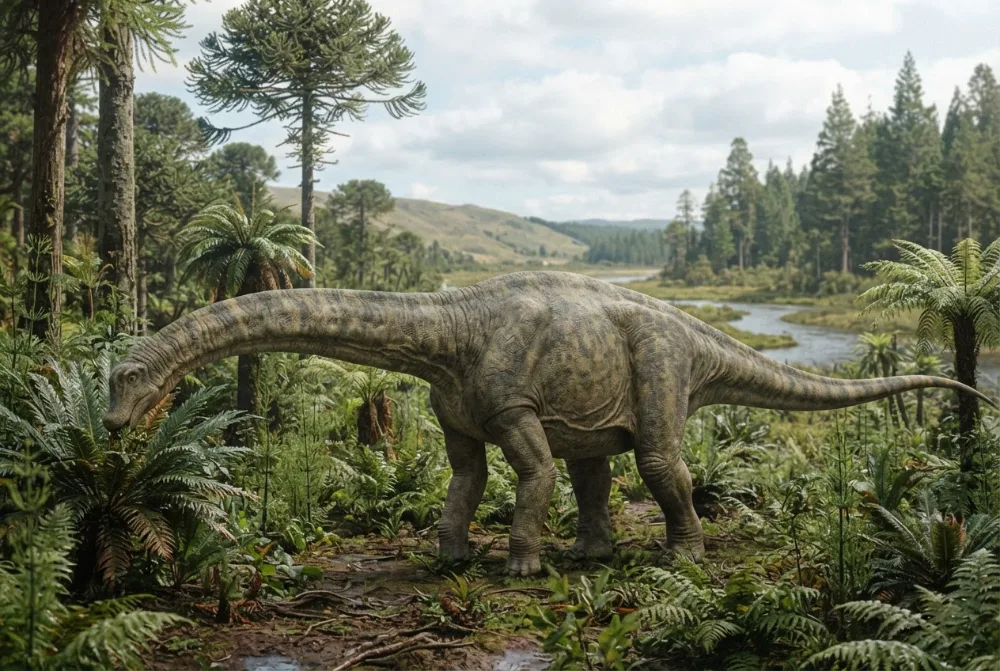
Athenar was a long-necked plant-eater that lived about 150 million years ago. It is known only from a skull and braincase that sat in a museum drawer for decades before scientists realized it was a new dinosaur.12
Rairarama rini?
Raiva hombe sei?
Raiva refu zvakadii?
Raiva rakakwirira zvakadii?
fungidziro
Rairema zvakadii?
 kureba semotokari 3 dzakamiswa dzakatevedzana🍌kureba semabhanana 83 akatevedzana
 kurema senzou 1.5🍉kurema semanwiwa 2000🎒kurema semakirasi 12 akazara evana vechikoro🐻❄️kurema semabere echando 22🏃raigona kumhanya mamita 100 mumasekonzi 21 (munhu anomhanya kupfuura vose anoda 9.6)
Athenar raiva hombe sei kana richienzaniswa NEWE?
Masvomhu chete mubrowser yako. Hapana chinochengetwa kana kutumirwa kupi zvako.
Raimhanya zvakadii?


Zvinonakidza
Athenar was a dicraeosaurid, a group of sauropods with shorter necks and smaller bodies than giants like Diplodocus.2
The only known fossil of Athenar is a braincase and partial skull roof, collected in 1913 by Earl Douglass.1
For 65 years the skull was thought to belong to Diplodocus, but in 2025 scientists re-examined it and gave it its own name.1
Athenar lived alongside famous dinosaurs like Allosaurus, Stegosaurus, and Diplodocus in the Morrison Formation.2
The skull of Athenar has a unique 'tooth' in the suture between two bones of the braincase, a feature not seen in any other dicraeosaurid.1
Even though the skull is quite large, the bones were not fully fused, suggesting this animal was still a subadult when it died.1
Mibvunzo inonyanya kubvunzwa nezve Athenar
?What did Athenar eat?
Athenar was a plant-eater, like other sauropods. It ate plants that grew in its Late Jurassic environment.2
?How big was Athenar?
Nobody knows for sure, because only its skull has been found. The skull is quite large, but the bones were not fully fused, so it was still a subadult when it died.12
?When did Athenar live?
Athenar lived about 150 million years ago, during the Tithonian age of the Late Jurassic period.2
?Is Athenar a dinosaur?
Yes, Athenar is a dinosaur. It is a dicraeosaurid sauropod, a type of long-necked, plant-eating dinosaur.2
Zvevanyanzvi vemadhino
- Zita resainzi
- Athenar
- Akaripa zita:
- Whitlock et al. 20254
- Boka
- Madhino emitsipa mirefu
- Mhuri / boka
- Dicraeosauridae4
- Kurongwa kwemhuka
- Sauropodomorpha > Sauropoda > Diplodocoidea4
- Zera rematombo
- makore mamiriyoni 149 kusvika 145 (Tithonian)4
- Mapoka ematombo
- Morrison4
- Nyika
- Amerika4
- Zvinyorwa zvemafosiri
- 1 mu The Paleobiology Database4
- Kuwanikwa
- The fossil was dug up in 1913 by Earl Douglass at Dinosaur National Monument, Utah. It was first described in 1978 as a Diplodocus skull, but in 2025 John Whitlock and colleagues named it a new genus, Athenar bermani.12
- Zvichiri kupokanwa
- Scientists are not sure exactly how big Athenar was, because only its skull has been found. They also debate whether some other skulls from the Morrison Formation belong to dicraeosaurids like Athenar.1
Kunobva chokwadi
- Athenar bermani, new dicraeosaurid sauropod (palaeo-electronica.org)
- Athenar (en.wikipedia.org)
- Athenar bermani | Dinosaur Database by DinoAnimals.com (dinoanimals.com)
- Athenar in The Paleobiology Database (CC BY 4.0): zera, nzvimbo, mapoka ematombo, kurongwa kwemhuka.
Chokwadi chega chega papeji ino chine nhamba inoratidza kwachakabva. Kana takakanganisa chimwe chinhu, ruregerero, tiri vanoda madhino, kwete magazini yesainzi. Tiudze pa [email protected] tichazvigadzirisa.
 Rex ane nzara! Dino Wiki ipurojekiti yababa yemwanakomana wavo anoda madhino, mahara, pasina kushambadza uye pasina zvinokutevera. Vakuru vanogona kupa Rex chekudyadya kuti vabatsire kuchengeta saiti iri pamhepo.Fudza Rex
 Brachiosaurus
 Diplodocus
 Brontosaurus
 Argentinosaurus
 Camarasaurus
 Morosaurus
 Allosaurus
 Compsognathus
 Camptosaurus
 Nanosaurus
 Rhamphorhynchus
 Ceratosaurus