 Uri dhino ripi? Kwizi
 Hondo yemadhino
 Mujaho wemadhino
 Mitambo midiki yemadhino
 Arubhamu yemasitika
 Rondedzero dzeTOP dzemadhino
 Ndishamise!
Kaatedocus
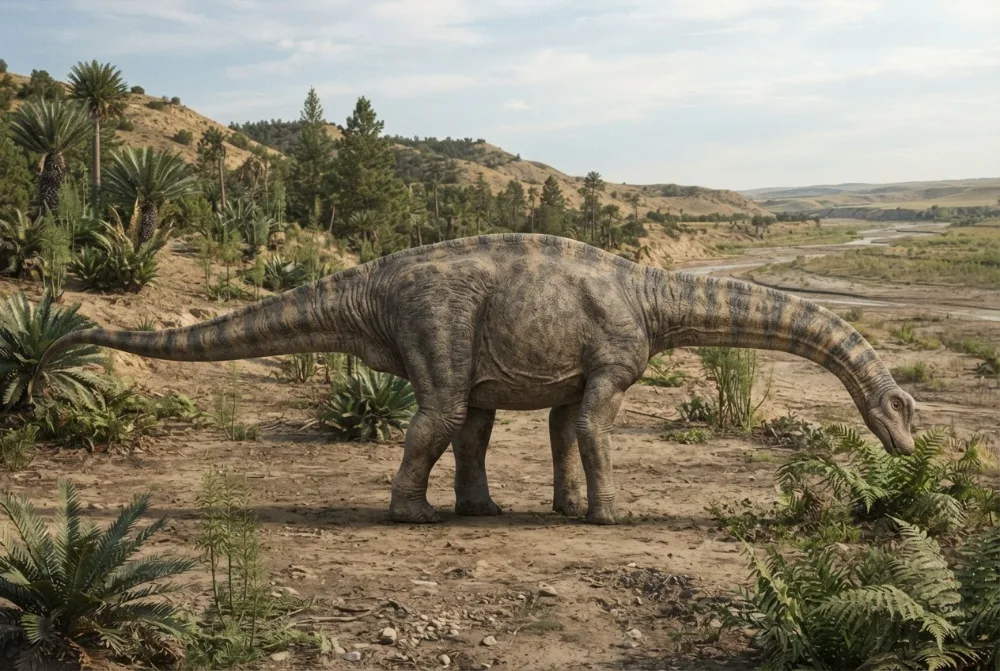
Kaatedocus was a long-necked sauropod that lived in what is now Wyoming during the Late Jurassic. It was smaller than many of its relatives, only about 14 metres long. Its well-preserved skull and neck helped scientists learn how sauropods held their heads.12
Rairarama rini?
Raiva hombe sei?
Raiva refu zvakadii?
Raiva rakakwirira zvakadii?
fungidziro
 kureba semotokari 3 dzakamiswa dzakatevedzana🍌kureba semabhanana 78 akatevedzana🏃raigona kumhanya mamita 100 mumasekonzi 21 (munhu anomhanya kupfuura vose anoda 9.6)
Kaatedocus raiva hombe sei kana richienzaniswa NEWE?
Masvomhu chete mubrowser yako. Hapana chinochengetwa kana kutumirwa kupi zvako.
Raimhanya zvakadii?


Zvinonakidza
Kaatedocus was named in 2012 by paleontologists Emanuel Tschopp and Octávio Mateus.1
Its name comes from the Crow Indian word 'kaate' meaning 'small' and 'docus' from Diplodocus, so 'small beam'.1
The only known specimen includes a nearly complete skull and a neck made of at least 14 vertebrae.1
The skull and neck together measured about 3.8 metres (12 feet) long.1
The fossils were originally thought to belong to Barosaurus or Diplodocus before being recognized as a new dinosaur.2
Scientists used CT scans and 3D printing to study Kaatedocus's neck vertebrae and learn how sauropods held their necks upright.1
Mibvunzo inonyanya kubvunzwa nezve Kaatedocus
?How big was Kaatedocus?
About 14 metres (46 feet) long. That is smaller than many of its relatives like Diplodocus.12
?What did Kaatedocus eat?
Plants. It was a sauropod with peg-like teeth at the front of its mouth, good for stripping leaves.2
?When did Kaatedocus live?
It lived during the Late Jurassic, about 155 million years ago.1
?Why is it called Kaatedocus?
Its name comes from the Crow Indian word 'kaate' meaning 'small' and 'docus' from Diplodocus, so 'small beam'.1
Mubvisi wengano
Ngano: Some scientists thought Kaatedocus was just a young Barosaurus or Diplodocus.
Chokwadi: Kaatedocus is now considered a distinct genus based on unique features in its skull and vertebrae.2
Zvevanyanzvi vemadhino
- Zita resainzi
- Kaatedocus
- Akaripa zita:
- Tschopp and Mateus 20134
- Boka
- Madhino emitsipa mirefu
- Mhuri / boka
- Dicraeosauridae4
- Kurongwa kwemhuka
- Sauropodomorpha > Sauropoda > Diplodocoidea4
- Zera rematombo
- makore mamiriyoni 155 kusvika 149 (Kimmeridgian)4
- Mapoka ematombo
- Morrison4
- Nyika
- Amerika4
- Zvinyorwa zvemafosiri
- 1 mu The Paleobiology Database4
- Kuwanikwa
- Fossils were first excavated in 1934 by Barnum Brown's team at Howe Quarry in Wyoming. The dinosaur was named Kaatedocus siberi in 2012 by Emanuel Tschopp and Octávio Mateus.1
- Zvichiri kupokanwa
- Scientists are not sure if Kaatedocus is a distinct genus or a juvenile of another sauropod like Barosaurus.2
Kunobva chokwadi
- Kaatedocus (en.wikipedia.org)
- Jurassic Boneyard Yields Hidden Dinosaur | National Geographic (nationalgeographic.com)
- PBDB Taxon (paleobiodb.org)
- Kaatedocus in The Paleobiology Database (CC BY 4.0): zera, nzvimbo, mapoka ematombo, kurongwa kwemhuka.
Chokwadi chega chega papeji ino chine nhamba inoratidza kwachakabva. Kana takakanganisa chimwe chinhu, ruregerero, tiri vanoda madhino, kwete magazini yesainzi. Tiudze pa [email protected] tichazvigadzirisa.
 Rex ane nzara! Dino Wiki ipurojekiti yababa yemwanakomana wavo anoda madhino, mahara, pasina kushambadza uye pasina zvinokutevera. Vakuru vanogona kupa Rex chekudyadya kuti vabatsire kuchengeta saiti iri pamhepo.Fudza Rex
 Brachiosaurus
 Diplodocus
 Brontosaurus
 Argentinosaurus
 Camarasaurus
 Morosaurus
 Allosaurus
 Compsognathus
 Camptosaurus
 Nanosaurus
 Rhamphorhynchus
 Ceratosaurus