 እንታይ ዳይኖሰር ኢኻ? ፈተና
 ውግእ ዳይኖሰራት
 ቅድድም ዳይኖሰራት
 ናይ ዳይኖሰር ንኣሽቱ ጸወታታት
 ኣልበም ስቲከራት
 ናይ ዳይኖሰራት TOP ዝርዝራት
 ኣገርመኒ!
መዓስ እዩ ዝነበረ?

ክንደይ ዓቢ ነይሩ?
ክንደይ ነዊሕ ነይሩ?
ቁመቱ ክንደይ ነይሩ?
ክንደይ ከቢድ ነይሩ?
 ከም 6 ኣኽላባት ካብ ኣፍንጫ ክሳብ ጭራ ዝነውሕ🍌ከም 33 ባናና ተሰሪዑ ዝነውሕ🍉ከም 98 ሓብሓብ ዝኸብድ🧸ከም 26 ቆልዑ መዋእለ ህጻናት ዝኸብድ🎒ከም 15 ተመሃሮ ዝኸብድ🏃100 ሜትሮ ኣብ 6.4 ካልኢት ክጎዪ ይኽእል ነበረ (እቲ ዝቐልጠፈ ሰብ 9.6 የድልዮ)
ምሳኻ ክነጻጸር Gallimimus ክንደይ ዓቢ ነይሩ?
ኣብ ብራውዘርካ ቀሊል ሕሳብ ጥራይ። ዝዕቀብ ወይ ናብ ዝኾነ ቦታ ዝለኣኽ የለን።
ክንደይ ቅልጡፍ ነይሩ?


ደስ ዝብሉ ሓቅታት
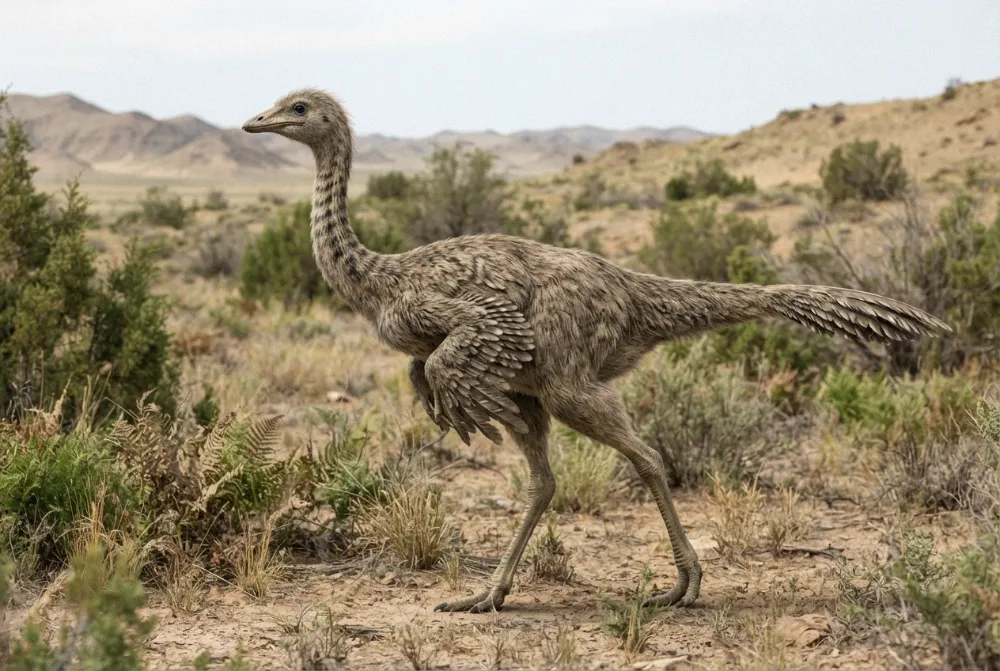
Gallimimus is the largest known ornithomimid, or ostrich dinosaur. Adults were about 6 meters (20 feet) long and weighed up to 490 kilograms (1,080 pounds).1
Its name means 'chicken mimic' because the bones in its neck look like those of chickens and other galliform birds.1
Gallimimus could run at speeds of 42 to 56 kilometers per hour (29 to 34 miles per hour), making it one of the fastest dinosaurs.1
Scientists think Gallimimus may have had feathers, like its relative Ornithomimus.1
Several Gallimimus skeletons were found together in a bone bed, which suggests they might have lived in groups.1
Gallimimus appeared in the movie Jurassic Park, running across a field in a famous scene that helped show dinosaurs as bird-like animals.1
ብዛዕባ Gallimimus ብብዝሒ ዝሕተቱ ሕቶታት
?What did Gallimimus eat?
Gallimimus was probably an omnivore, eating both plants and small animals. It had a toothless beak and may have used it to filter food from water or to eat tough plants.21
?Did Gallimimus have feathers?
Yes, scientists are confident Gallimimus had feathers. There is no direct evidence on Gallimimus itself, but its close relative Ornithomimus had feathers, so it is highly likely.21
?How fast could Gallimimus run?
Gallimimus could run at speeds of 42 to 56 kilometers per hour (26 to 35 miles per hour). That is more than twice as fast as a fit human, but slower than a modern ostrich.21
?When did Gallimimus live?
Gallimimus lived during the Late Cretaceous period, about 70 million years ago.21
?Where was Gallimimus found?
Gallimimus fossils were found in the Gobi Desert of Mongolia. They were discovered by Polish-Mongolian expeditions in the 1960s.1
?How big was Gallimimus?
Gallimimus was about 6 meters (20 feet) long, 1.9 meters (6 feet) tall at the hip, and weighed around 400 to 490 kilograms (880 to 1,080 pounds). It was the largest known ornithomimid.21
ጽውጽዋይ ዘፍርስ
ጽውጽዋይ: Gallimimus used its beak to filter small animals from water, like a flamingo.
ሓቂ: The ridges in its beak were more like those of plant-eating animals. Scientists now think Gallimimus was a herbivore that ate tough plants, not a filter-feeder.1
ንክኢላታት ዳይኖሰር
- ሳይንሳዊ ስም
- Gallimimus
- ዝሰመዮ
- Osmólska et al. 19723
- ጉጅለ
- ሰገን ዳይኖሰራት
- ስድራ / ክላድ
- Ornithomimidae3
- ምድባ
- Theropoda > Ornithomimosauria3
- ዕድመ እቶም ኣኻውሕ
- 94 ክሳብ 66 ሚልዮን ዓመት (Turonian / Maastrichtian)3
- ናይ ኣኻውሕ ንብርብራት
- Nemegt, Baruungoyot, Bissekty3
- ሃገራት
- ሞንጎልያ, ኡዝበኪስታን3
- መዛግብቲ ፎሲል
- 30 ኣብ The Paleobiology Database3
- ርኽበት
- Polish and Mongolian scientists found several Gallimimus skeletons in the Gobi Desert during the 1960s. The dinosaur was named Gallimimus bullatus in 1972 by Halszka Osmólska, Ewa Roniewicz, and Rinchen Barsbold.13
- ገና ዘከራኽር
- Scientists still debate what Gallimimus ate. Some think it was an omnivore that ate small animals and plants, while others believe it was mainly a plant-eater.1
ሓቅታት ካበይ ይመጹ
- Gallimimus (en.wikipedia.org)
- Gallimimus | Natural History Museum (nhm.ac.uk)
- Gallimimus in The Paleobiology Database (CC BY 4.0): ዕድመ፣ ቦታታት፣ ናይ ኣኻውሕ ንብርብራት፣ ምድባ።
ኣብዚ ገጽ ዘሎ ኩሉ ሓቂ ናብ ምንጩ ዘመልክት ቁጽሪ ኣለዎ። ጌጋ እንተ ጌርና፣ ይቕሬታ፣ ንሕና ፈተውቲ ዳይኖሰር ኢና፣ ሳይንሳዊ መጽሔት ኣይኮንናን። ኣብ [email protected] ንገረና፣ ክንእርሞ ኢና።
 ሬክስ ጠምዩ! Dino Wiki ሓደ ኣቦ ንዳይኖሰር ዘፍቅር ወዱ ዝሰርሖ ፕሮጀክት እዩ፣ ናጻ፣ መወዓውዒን ተኸታተልትን የብሉን። ዓበይቲ ኣብ መስመር ንኽጸንሕ ንሬክስ መኽሰስ ክህብዎ ይኽእሉ።ንሬክስ መግቦ
 Ornithomimus
 Struthiomimus
 Deinocheirus
 Dromiceiomimus
 Archaeornithomimus
 Anserimimus
 Tyrannosaurus
 Triceratops
 Velociraptor
 Spinosaurus
 Ankylosaurus
 Parasaurolophus