 እንታይ ዳይኖሰር ኢኻ? ፈተና
 ውግእ ዳይኖሰራት
 ቅድድም ዳይኖሰራት
 ናይ ዳይኖሰር ንኣሽቱ ጸወታታት
 ኣልበም ስቲከራት
 ናይ ዳይኖሰራት TOP ዝርዝራት
 ኣገርመኒ!
Gonkoken
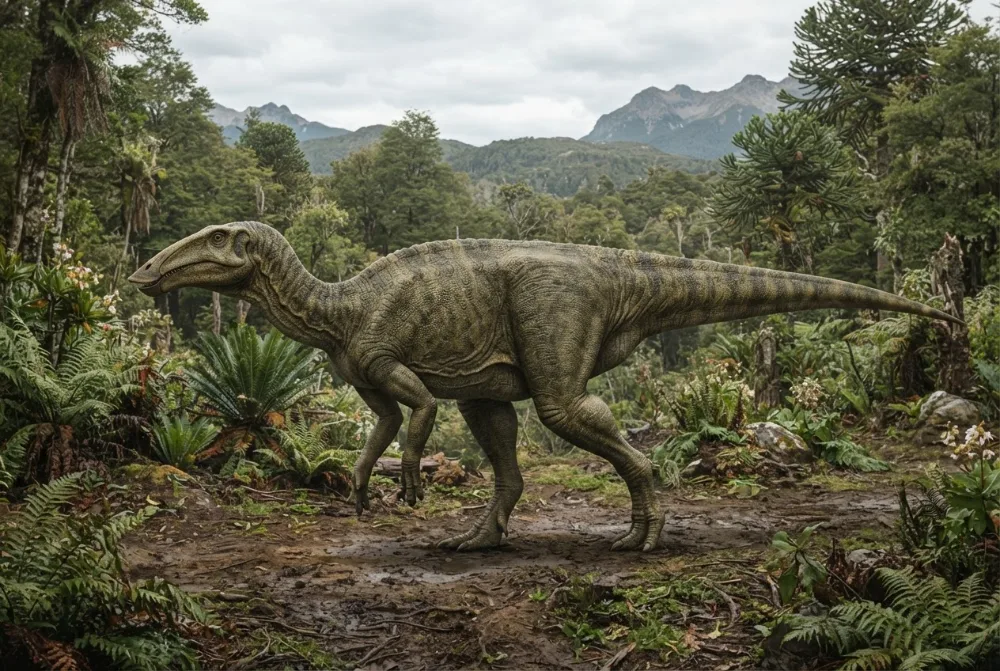
Gonkoken was a small duck-billed dinosaur that lived in what is now southern Chile, near Antarctica. It was about as long as a car and used its hundreds of teeth to chew tough plants. This dinosaur is special because it is not a true hadrosaurid, but a more ancient cousin that survived until the very end of the dinosaur age.24
መዓስ እዩ ዝነበረ?
ክንደይ ዓቢ ነይሩ?
ክንደይ ነዊሕ ነይሩ?
ቁመቱ ክንደይ ነይሩ?
ግምት
ክንደይ ከቢድ ነይሩ?
 ከም 4 ኣኽላባት ካብ ኣፍንጫ ክሳብ ጭራ ዝነውሕ🍌ከም 22 ባናና ተሰሪዑ ዝነውሕ🍉ከም 200 ሓብሓብ ዝኸብድ🧸ከም 53 ቆልዑ መዋእለ ህጻናት ዝኸብድ🎒ከም 31 ተመሃሮ ዝኸብድ🐻❄️ከም 2 ጻዕዳ ድባት ዝኸብድ🏃100 ሜትሮ ኣብ 11 ካልኢት ክጎዪ ይኽእል ነበረ (እቲ ዝቐልጠፈ ሰብ 9.6 የድልዮ)
ምሳኻ ክነጻጸር Gonkoken ክንደይ ዓቢ ነይሩ?
ኣብ ብራውዘርካ ቀሊል ሕሳብ ጥራይ። ዝዕቀብ ወይ ናብ ዝኾነ ቦታ ዝለኣኽ የለን።
ክንደይ ቅልጡፍ ነይሩ?


ደስ ዝብሉ ሓቅታት
Gonkoken is a 'transitional' duckbill, meaning it is closely related to true hadrosaurids but not one itself. Its ancestors came from North America and arrived in South America earlier than the more advanced duckbills.2
The name Gonkoken comes from the Aónik’enk language, spoken by the indigenous people of the region. 'Gon' means 'similar to' and 'koken' means 'wild duck or swan'.21
Fossils of Gonkoken were found in a bonebed containing at least three individuals. The site is still being excavated and may hold many more bones.2
Gonkoken lived about 71.7 to 70.5 million years ago, during the early Maastrichtian stage of the Late Cretaceous. This was just a few million years before the asteroid impact that ended the age of dinosaurs.2
Unlike true hadrosaurids, Gonkoken had fewer than 30 tooth positions in its lower jaw, and its tooth rows did not extend beyond the coronoid process.2
Gonkoken is the first duck-billed dinosaur described from a subantarctic region. Its discovery suggests that some alleged hadrosaurid fossils from Antarctica might actually belong to non-hadrosaurid duckbills like Gonkoken.2
ብዛዕባ Gonkoken ብብዝሒ ዝሕተቱ ሕቶታት
?How big was Gonkoken?
Gonkoken was a small duck-billed dinosaur, about 4 metres (13 feet) long. That is roughly the length of a small car.12
?When did Gonkoken live?
Gonkoken lived about 71.7 to 70.5 million years ago, during the early Maastrichtian stage of the Late Cretaceous. That was just a few million years before the asteroid hit.12
ጽውጽዋይ ዘፍርስ
ጽውጽዋይ: All duck-billed dinosaurs are hadrosaurids (true duckbills).
ሓቂ: Gonkoken is a duck-billed dinosaur but not a hadrosaurid. It belongs to a more ancient lineage that survived alongside true duckbills in the far south.2
ንክኢላታት ዳይኖሰር
- ሳይንሳዊ ስም
- Gonkoken
- ዝሰመዮ
- Alarcón-Muñoz et al. 20234
- ጉጅለ
- መንቑር ዘለዎም ተኽሊ በላዕቲ
- ስድራ / ክላድ
- Hadrosauroidea4
- ምድባ
- Ornithischia > Ornithopoda > Iguanodontia4
- ዕድመ እቶም ኣኻውሕ
- 72 ክሳብ 66 ሚልዮን ዓመት (Maastrichtian)4
- ናይ ኣኻውሕ ንብርብራት
- Dorotea4
- ሃገራት
- ቺሌ4
- መዛግብቲ ፎሲል
- 1 ኣብ The Paleobiology Database4
- ርኽበት
- Gonkoken was named in 2023 by Alarcón-Muñoz and colleagues. The first bones were found by Mario 'Nano' Ulloa in the Río de las Chinas Valley, and excavations began in 2013, uncovering many disarticulated remains.24
- ገና ዘከራኽር
- Scientists debate whether all alleged hadrosaurid fossils from Antarctica and subantarctic regions actually belong to non-hadrosaurid duckbills like Gonkoken, rather than true hadrosaurids.2
ሓቅታት ካበይ ይመጹ
- Gonkoken (en.wikipedia.org)
- Relict duck-billed dinosaurs survived into the last age of the dinosaurs in subantarctic Chile (science.org)
- Scientists discover duck-billed dinosaur roamed Chile 72 million years ago | Reuters (reuters.com)
- Gonkoken in The Paleobiology Database (CC BY 4.0): ዕድመ፣ ቦታታት፣ ናይ ኣኻውሕ ንብርብራት፣ ምድባ።
ኣብዚ ገጽ ዘሎ ኩሉ ሓቂ ናብ ምንጩ ዘመልክት ቁጽሪ ኣለዎ። ጌጋ እንተ ጌርና፣ ይቕሬታ፣ ንሕና ፈተውቲ ዳይኖሰር ኢና፣ ሳይንሳዊ መጽሔት ኣይኮንናን። ኣብ [email protected] ንገረና፣ ክንእርሞ ኢና።
 ሬክስ ጠምዩ! Dino Wiki ሓደ ኣቦ ንዳይኖሰር ዘፍቅር ወዱ ዝሰርሖ ፕሮጀክት እዩ፣ ናጻ፣ መወዓውዒን ተኸታተልትን የብሉን። ዓበይቲ ኣብ መስመር ንኽጸንሕ ንሬክስ መኽሰስ ክህብዎ ይኽእሉ።ንሬክስ መግቦ
 Iguanodon
 Tenontosaurus
 Thescelosaurus
 Zalmoxes
 Camptosaurus
 Rhabdodon
 Tyrannosaurus
 Triceratops
 Velociraptor
 Spinosaurus
 Ankylosaurus
 Parasaurolophus