 እንታይ ዳይኖሰር ኢኻ? ፈተና
 ውግእ ዳይኖሰራት
 ቅድድም ዳይኖሰራት
 ናይ ዳይኖሰር ንኣሽቱ ጸወታታት
 ኣልበም ስቲከራት
 ናይ ዳይኖሰራት TOP ዝርዝራት
 ኣገርመኒ!
Haliskia
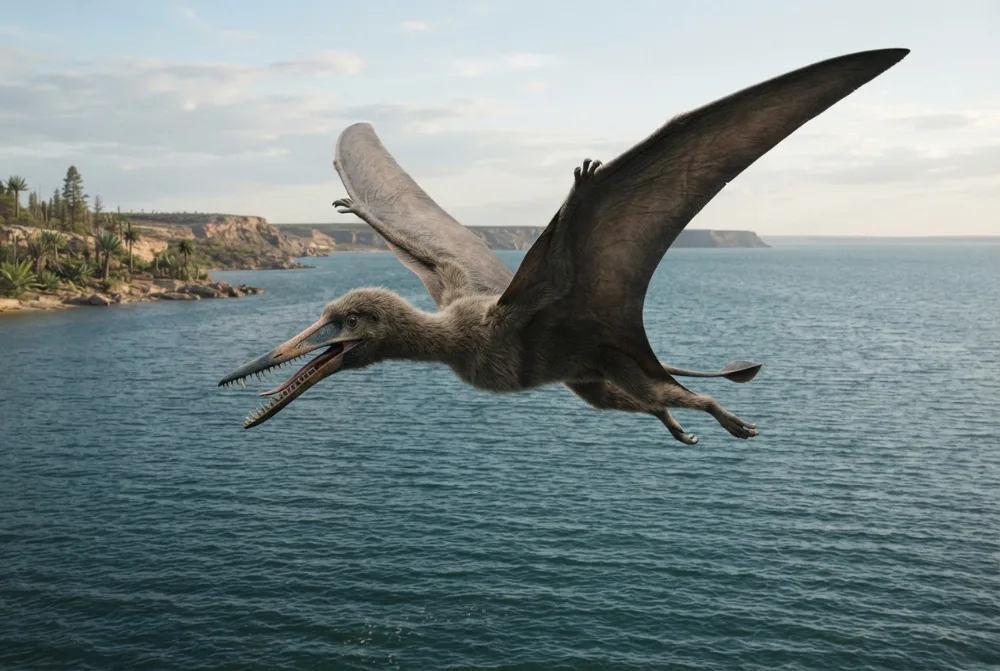
Haliskia was a flying reptile that soared over an ancient inland sea in Australia 100 million years ago. With a wingspan as wide as a car, it used its long, muscular tongue and curved teeth to catch slippery fish and squid. It is the most complete pterosaur skeleton ever found in Australia.12
መዓስ እዩ ዝነበረ?
ክንደይ ዓቢ ነይሩ?
ኣኽናፉ ክንደይ ሰፊሖም ነይሮም?
 ከም 2.5 ብሽክለታታት ብመስርዕ ዝሰፍሑ ኣኽናፍ⚽ምሉእ ሜዳ ኩዕሶ እግሪ ኣብ 5.7 ካልኢት ክነፍሮ ይኽእል ነበረ
ምሳኻ ክነጻጸር Haliskia ክንደይ ዓቢ ነይሩ?
ኣብ ብራውዘርካ ቀሊል ሕሳብ ጥራይ። ዝዕቀብ ወይ ናብ ዝኾነ ቦታ ዝለኣኽ የለን።
ክንደይ ቅልጡፍ ነይሩ?


ደስ ዝብሉ ሓቅታት
Haliskia is 22% complete, more than twice as complete as any other partial pterosaur skeleton from Australia.2
Its hyoid bone (the tongue bone) is 70% as long as its lower jaw, the highest ratio of any pterosaur known. This means Haliskia had a very strong, muscular tongue.1
The fossil was found in 2021 by Kevin Petersen, a museum curator, at a site called Dig Site 3 near Richmond, Queensland.12
Haliskia lived during the Albian age, about 106 to 100 million years ago, when much of Queensland was covered by a shallow inland sea.31
Its teeth are curved and interlock when the mouth closes, forming a trap that stopped fish from wriggling out.1
Haliskia belongs to a group called Anhangueria, which were pterosaurs with crests on their snouts and teeth that stuck out sideways.1
ብዛዕባ Haliskia ብብዝሒ ዝሕተቱ ሕቶታት
?How big was Haliskia?
About 4.6 metres (15 feet) across the wings, which is about as wide as a small car.12
?What did Haliskia eat?
It ate fish and soft-bodied animals like squid (cephalopods). Its curved, interlocking teeth formed a trap to stop slippery prey from escaping.12
?Is Haliskia a dinosaur?
No, it is a pterosaur, which is a flying reptile that lived at the same time as dinosaurs but is not a dinosaur.2
ንክኢላታት ዳይኖሰር
- ሳይንሳዊ ስም
- Haliskia
- ዝሰመዮ
- Pentland et al. 20244
- ጉጅለ
- ዝነፍሩ ተሳሓብቲ
- ስድራ / ክላድ
- Anhangueridae4
- ምድባ
- Pterosauria > Pterodactyloidea4
- ዕድመ እቶም ኣኻውሕ
- 106 ክሳብ 100 ሚልዮን ዓመት (Albian)4
- ናይ ኣኻውሕ ንብርብራት
- Toolebuc4
- ሃገራት
- ኣውስትራልያ4
- መዛግብቲ ፎሲል
- 1 ኣብ The Paleobiology Database4
- ርኽበት
- Haliskia was discovered by Kevin Petersen, curator of Kronosaurus Korner museum, in November 2021 at a site in Queensland, Australia. It was named and described by Adele Pentland and colleagues in 2024.12
- ገና ዘከራኽር
- Scientists are not sure whether Haliskia ate only fish or also soft-bodied animals like squid. Its teeth have few wear marks, which could mean it ate soft prey, but its 'fish grab' teeth suggest it caught fish too.1
ሓቅታት ካበይ ይመጹ
- Haliskia peterseni, a new anhanguerian pterosaur from the late Early Cretaceous of Australia | Scientific Reports (nature.com)
- No bones about it: 100-million-year-old bones reveal new species of pterosaur | Curtin University (curtin.edu.au)
- PBDB Taxon (paleobiodb.org)
- Haliskia in The Paleobiology Database (CC BY 4.0): ዕድመ፣ ቦታታት፣ ናይ ኣኻውሕ ንብርብራት፣ ምድባ።
ኣብዚ ገጽ ዘሎ ኩሉ ሓቂ ናብ ምንጩ ዘመልክት ቁጽሪ ኣለዎ። ጌጋ እንተ ጌርና፣ ይቕሬታ፣ ንሕና ፈተውቲ ዳይኖሰር ኢና፣ ሳይንሳዊ መጽሔት ኣይኮንናን። ኣብ [email protected] ንገረና፣ ክንእርሞ ኢና።
 ሬክስ ጠምዩ! Dino Wiki ሓደ ኣቦ ንዳይኖሰር ዘፍቅር ወዱ ዝሰርሖ ፕሮጀክት እዩ፣ ናጻ፣ መወዓውዒን ተኸታተልትን የብሉን። ዓበይቲ ኣብ መስመር ንኽጸንሕ ንሬክስ መኽሰስ ክህብዎ ይኽእሉ።ንሬክስ መግቦ
 Pteranodon
 Quetzalcoatlus
 Dorygnathus
 Rhamphorhynchus
 Anhanguera
 Pterodactylus
 Stegosaurus
 Iguanodon
 Archaeopteryx
 Giganotosaurus
 Microraptor
 Deinonychus