 እንታይ ዳይኖሰር ኢኻ? ፈተና
 ውግእ ዳይኖሰራት
 ቅድድም ዳይኖሰራት
 ናይ ዳይኖሰር ንኣሽቱ ጸወታታት
 ኣልበም ስቲከራት
 ናይ ዳይኖሰራት TOP ዝርዝራት
 ኣገርመኒ!
Polycotylus
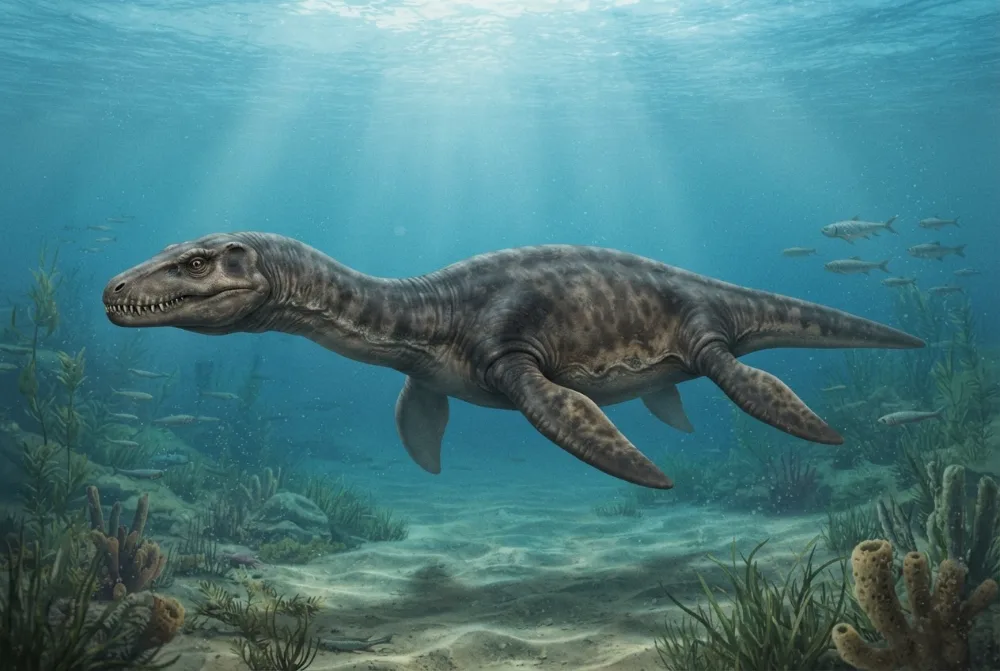
Polycotylus was a short-necked plesiosaur that swam in the warm seas of North America and Europe during the Cretaceous. It had a big head, strong flippers, and gave birth to live babies in the water, just like whales do today.1
መዓስ እዩ ዝነበረ?
ክንደይ ዓቢ ነይሩ?
ክንደይ ነዊሕ ነይሩ?
ክንደይ ከቢድ ነይሩ?
 ከም 5 ኣኽላባት ካብ ኣፍንጫ ክሳብ ጭራ ዝነውሕ🍌ከም 30 ባናና ተሰሪዑ ዝነውሕ🍉ከም 200 ሓብሓብ ዝኸብድ🧸ከም 53 ቆልዑ መዋእለ ህጻናት ዝኸብድ🎒ከም 31 ተመሃሮ ዝኸብድ🐻❄️ከም 2 ጻዕዳ ድባት ዝኸብድ🏊ንውሓት ዓቢ መሕምበሲ (50 ሜ) ኣብ 6.7 ካልኢት ክሕምብሶ ይኽእል ነበረ
ምሳኻ ክነጻጸር Polycotylus ክንደይ ዓቢ ነይሩ?
ኣብ ብራውዘርካ ቀሊል ሕሳብ ጥራይ። ዝዕቀብ ወይ ናብ ዝኾነ ቦታ ዝለኣኽ የለን።
ክንደይ ቅልጡፍ ነይሩ?


ደስ ዝብሉ ሓቅታት
Polycotylus was named by famous paleontologist Edward Drinker Cope in 1869 from fossils found in Kansas.1
A fossil of Polycotylus found in Kansas contains a single large fetus inside the mother, proving that these plesiosaurs gave live birth.1
The baby Polycotylus was about 1.5 metres (4.9 feet) long, which is about 32 percent of the mother's length.1
Polycotylus had a short neck and a long head, making it look a bit like a pliosaur, but it is actually a type of plesiosaur called a polycotylid.1
Its name means 'much-cupped vertebrae' because the bones in its spine have deep cup-like hollows.1
Polycotylus lived in the Western Interior Seaway, a shallow sea that split North America in two during the Cretaceous.1
Scientists think Polycotylus gave birth to just one large baby at a time, a strategy called K-selection.1
ብዛዕባ Polycotylus ብብዝሒ ዝሕተቱ ሕቶታት
?How big was Polycotylus?
Polycotylus was a medium-sized plesiosaur, measuring about 4.7 to 5.4 metres (15 to 18 feet) long and weighing over 1 metric ton (1.1 short tons).1
?Did Polycotylus have a short neck?
Yes, Polycotylus had a short neck and a long head, unlike the long-necked plesiosaurs like Elasmosaurus.1
?What did Polycotylus eat?
Polycotylus had thick teeth with striations on their surfaces, which suggests it ate fish and other marine animals, but the sources do not give a specific diet.1
?When did Polycotylus live?
Polycotylus lived toward the end of the Cretaceous period, about 84 to 66 million years ago.1
ጽውጽዋይ ዘፍርስ
ጽውጽዋይ: Many people think all plesiosaurs had long necks like the Loch Ness Monster.
ሓቂ: Polycotylus had a short neck and a large head, very different from long-necked plesiosaurs like Elasmosaurus.1
ንክኢላታት ዳይኖሰር
- ሳይንሳዊ ስም
- Polycotylus
- ዝሰመዮ
- Cope 18693
- ጉጅለ
- ፕሌሲዮሰራት
- ስድራ / ክላድ
- Polycotylidae3
- ምድባ
- Plesiosauria > Sauropterygia3
- ዕድመ እቶም ኣኻውሕ
- 152 ክሳብ 72 ሚልዮን ዓመት (Kimmeridgian / Campanian)3
- ናይ ኣኻውሕ ንብርብራት
- Niobrara, Frontier, Mooreville Chalk3
- ሃገራት
- ኣመሪካ, ፈረንሳ, ሩስያ3
- መዛግብቲ ፎሲል
- 10 ኣብ The Paleobiology Database3
- ርኽበት
- Edward Drinker Cope named Polycotylus in 1869 from fragmentary bones found in the Niobrara Formation of Kansas. A nearly complete skeleton was later found in Alabama in 1949 but not described until 2002.1
- ገና ዘከራኽር
- Scientists are not sure exactly how many species of Polycotylus existed, and some species may be the same as others.1
ሓቅታት ካበይ ይመጹ
- Polycotylus (en.wikipedia.org)
- PBDB Taxon (paleobiodb.org)
- Polycotylus in The Paleobiology Database (CC BY 4.0): ዕድመ፣ ቦታታት፣ ናይ ኣኻውሕ ንብርብራት፣ ምድባ።
ኣብዚ ገጽ ዘሎ ኩሉ ሓቂ ናብ ምንጩ ዘመልክት ቁጽሪ ኣለዎ። ጌጋ እንተ ጌርና፣ ይቕሬታ፣ ንሕና ፈተውቲ ዳይኖሰር ኢና፣ ሳይንሳዊ መጽሔት ኣይኮንናን። ኣብ [email protected] ንገረና፣ ክንእርሞ ኢና።
 ሬክስ ጠምዩ! Dino Wiki ሓደ ኣቦ ንዳይኖሰር ዘፍቅር ወዱ ዝሰርሖ ፕሮጀክት እዩ፣ ናጻ፣ መወዓውዒን ተኸታተልትን የብሉን። ዓበይቲ ኣብ መስመር ንኽጸንሕ ንሬክስ መኽሰስ ክህብዎ ይኽእሉ።ንሬክስ መግቦ
 Elasmosaurus
 Pliosaurus
 Plesiosaurus
 Cimoliasaurus
 Colymbosaurus
 Trinacromerum
 Stegosaurus
 Iguanodon
 Archaeopteryx
 Giganotosaurus
 Microraptor
 Deinonychus