 Uyiyiphi idayinaso? Ikwizi
 Idabi leedayinaso
 Ugqatso lweedayinaso
 Imidlalo emincinci yeedayinaso
 I-albhamu yezitikha
 Iilisti ze-TOP zeedayinaso
 Ndothuse!
Labocania
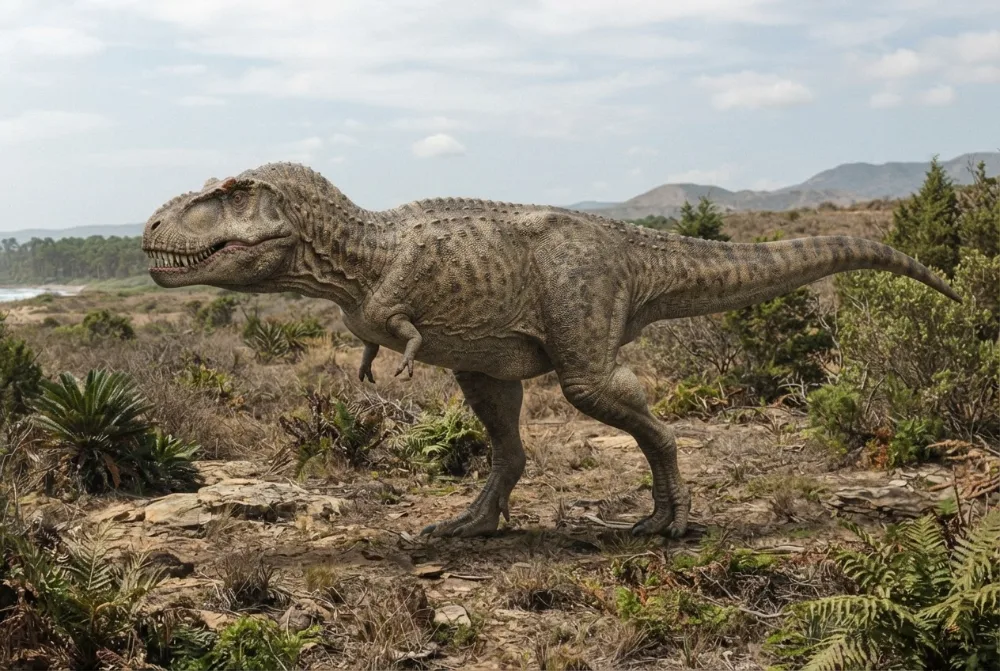
Labocania was a meat-eating dinosaur that lived in Mexico during the Late Cretaceous, about 85 to 72 million years ago. It was a medium-sized predator with strong bones and sharp teeth. Scientists are still figuring out exactly what kind of theropod it was.12
Yaphila nini?
Yayinkulu kangakanani?
Yayinde kangakanani?
Yayiphakame kangakanani?
uqikelelo
Yayinzima kangakanani?

 inde njengezinja ezingama-8, impumlo ukuya emsileni🍌inde njengeebhanana ezingama-46 zilandelelanainzima njengezinja ezingama-140🍉inzima njengamavatala angama-580🎒inzima njengamagumbi okufundela apheleleyo abantwana angama-4🐻❄️inzima njengeebhere ezimhlophe ezingama-6🏃ibinokubaleka iimitha ezili-100 ngemizuzwana engama-12 (oyena mntu ukhawulezayo udinga i-9,6)
Labocania wayemkhulu kangakanani xa ethelekiswa NAWE?
Yimathematika nje kwibhrawuza yakho. Akukho nto igcinwayo okanye ithunyelwe naphi na.
Yayikhawuleza kangakanani?


Iinyani ezimnandi
Labocania's skull bones were very thick and strong, especially the bones on top of its head.1
The first Labocania fossils were found in 1970 by a volunteer named Harley J. Garbani during an expedition in Baja California, Mexico.1
Labocania's teeth were flat and curved backwards, which helped it hold onto prey.1
Scientists have debated whether Labocania was a tyrannosaur, an abelisaur, or a carcharodontosaur. In 2024, a new study placed it with tyrannosaurs.1
The second species, Labocania aguillonae, was named in 2024 after Martha C. Aguillon, a paleontologist from Coahuila, Mexico.1
Labocania lived on land and walked on two legs, like other theropods.2
Eyona mibuzo ibuzwa kakhulu: Labocania
?How big was Labocania?
Labocania was a medium sized carnivore. The species L. anomala was about 7 to 8.2 metres long and weighed around 1.5 to 2.6 tonnes. The smaller L. aguillonae was about 6.3 metres long.1
?Is Labocania a dinosaur?
Yes, Labocania is a dinosaur. It is a theropod dinosaur that lived in Mexico during the Late Cretaceous.1
?What did Labocania eat?
Labocania was a meat-eater. It had sharp, curved teeth and strong bones to help it catch and eat other animals.1
?When did Labocania live?
Labocania lived during the Late Cretaceous period, about 85 to 72 million years ago. Some estimates suggest it might have lived as early as about 93.6 million years ago.1
Inyaniso ngeentsomi
Intsomi: Some people think Labocania was definitely a tyrannosaur like T. rex.
Inyaniso: Scientists are not sure. It might be a tyrannosaur, but some studies suggest it could be an abelisaur or a carcharodontosaur. The most recent study in 2024 supports tyrannosaur, but others disagree.1
Kwiingcali zeedayinaso
- Igama lenzululwazi
- Labocania
- Inikwe igama ngu:
- Molnar 19745
- Iqela
- Iityrannosauri
- Usapho / iclade
- Tyrannosauridae5
- Ukuhlelwa
- Theropoda > Tyrannosauroidea > Tyrannosauridae5
- Ubudala bamatye
- 86 ukuya ku-72 izigidi zeminyaka (Santonian / Campanian)5
- Izakhiwo zamatye
- La Bocana Roja, Cerro del Pueblo5
- Amazwe
- iMexico5
- Iirekhodi zeefosili
- 2 kwi-Paleobiology Database5
- Ukufunyanwa
- The first fossils were found in 1970 by Harley J. Garbani during an expedition in Baja California, Mexico. Ralph Molnar named the dinosaur Labocania anomala in 1974.1
- Kusaxoxwa ngayo
- Scientists still debate what kind of theropod Labocania was. Some think it was a tyrannosaur, others think it was an abelisaur or a carcharodontosaur.1
Apho iinyani zivela khona
- Labocania (en.wikipedia.org)
- PBDB Taxon (paleobiodb.org)
- A New Tyrant Dinosaur from the Late Campanian of Mexico Reveals a Tribe of Southern Tyrannosaurs (mdpi.com)
- A Leggy Tyrannosaur Emerges From a Mexican Desert - The New York Times (nytimes.com)
- Labocania in The Paleobiology Database (CC BY 4.0): ubudala, iindawo, izakhiwo zamatye, ukuhlelwa.
Yonke inyani ekweli phepha inenombolo ebonisa umthombo wayo. Ukuba siphosisile, uxolo, sithanda iidayinaso, asiyojenali yenzululwazi. Sixelele apha: [email protected], siya kuyilungisa.
 URex ulambile! I-Dino Wiki yiprojekthi katata ukwenzela unyana wakhe othanda iidayinaso, isimahla, ayinazintengiso, ayinazilandeli. Abantu abadala banokuphakela uRex isidlwana ukuze incede ihlale kwi-intanethi.Phakela uRex
 Tyrannosaurus
 Tarbosaurus
 Albertosaurus
 Daspletosaurus
 Gorgosaurus
 Alectrosaurus
 Triceratops
 Velociraptor
 Spinosaurus
 Ankylosaurus
 Parasaurolophus
 Pteranodon