 Woyɛ dino bɛn? Nsɛmmisa agoro
 Dino ko
 Dino mmirikatuo
 Dino agodie nketewa
 Stika nwoma
 Dino TOP nhyehyɛeɛ
 Ma me nwanwa!
Datai
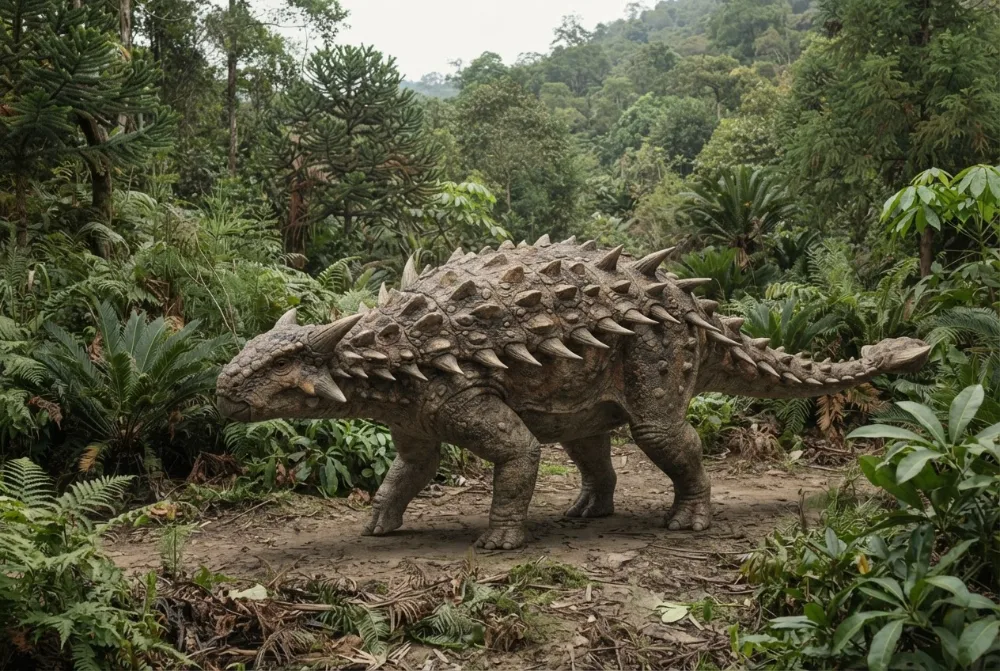
Datai was an armored dinosaur that walked on four legs and had bony plates and spikes on its body. It had a pair of horns on its cheeks, which made it look extra tough. It lived in what is now China, about 90 million years ago.12
Berɛ bɛn na ɛtenaa ase?
Na ne kɛseɛ yɛ sɛn?
Na ne tenten yɛ sɛn?
Na ne korɔn yɛ sɛn?
nsusuiɛ
 ne tenten te sɛ nkraman 4 firi hwene kɔsi dua🍌ne tenten te sɛ kwadu 22 a wɔde abɔ toatoa so🏃anka ɔbɛtumi atu mmirika mita 100 wɔ sikɛn 18 mu (onipa a ɔyɛ ntɛm sen biara hia 9.6)
Datai kɛseɛ yɛ sɛn sɛ wode toto WO ho a?
Akontaa nko ara wɔ wo browser mu. Yɛnkora biribiara so, na yɛmmfa biribiara nkɔ baabiara.
Na ɛyɛ ntɛm sɛn?


Nsɛm a ɛyɛ anigye
Datai had a pair of horns on its cheeks, which is unusual and helped scientists identify it as a new species.2
The two Datai fossils were found lying on top of each other, likely because they were buried quickly by wind-blown sand.2
The neck bones of one Datai had curved holes about 2 cm wide, probably made by small creatures like mollusks burrowing in the sediment after the dinosaur died.2
Datai's tail had ossified tendons, which suggests it may have had a tail club for defense.1
Scientists used Datai's features to help make the family tree of ankylosaurs more stable, because before, many relationships were uncertain.1
Datai lived during the Late Cretaceous, about 96 to 90 million years ago, which is a time when many armored dinosaurs roamed.1
Nsɛm a wɔbisa bebree fa Datai ho
?What did Datai eat?
Datai was a plant-eating dinosaur. It was a ground-dwelling herbivore, so it likely ate low-growing plants.3
?Did Datai have a tail club?
It likely did. Its tail bones were surrounded by ossified tendons, which suggests it may have had a tail club for defense.1
?How big was Datai?
Scientists don't know exactly, because the fossils are from young, not fully grown individuals. The known specimens were immature, so their adult size is uncertain.1
?When did Datai live?
Datai lived during the Late Cretaceous, about 96 to 90 million years ago, in what is now China.1
Atosɛm sɛefoɔ
Atosɛm: Some people think all armored dinosaurs had tail clubs, but not all did.
Nokorɛ: Datai likely had a tail club because of ossified tendons near its tail, but many other ankylosaurs did not have one.1
Ma dino ho animdefoɔ
- Nyansahu din
- Datai
- Obi a ɔtoo din
- Xing et al. 20243
- Kuo
- Dino a wɔwɔ akyɛm
- Abusua / kuo kɛseɛ
- Ankylosauridae3
- Nkyekyɛmu
- Ornithischia > Ankylosauria > Ankylosauridae > Thyreophora3
- Abotan no mfeɛ
- mfeɛ ɔpepem 94 kɔsi 86 (Turonian / Coniacian)3
- Abotan nhyehyɛeɛ
- Zhoutian3
- Aman
- Kyaena3
- Fɔsil nkyerɛwee
- 1 wɔ The Paleobiology Database mu3
- Nhunumu
- The fossils were found in 2016 in Jiangxi Province, China, and later acquired by the Yingliang Stone Natural History Museum. In 2024, a team led by Xing Lida named the new species Datai yingliangis.12
- Wɔda so gye ho akyinnye
- Scientists are still debating exactly where Datai fits in the ankylosaur family tree. Depending on the analysis, it appears either as a basal ankylosaurine or as a close relative of Pinacosaurus.1
Baabi a nsɛm no firi
- Datai (en.wikipedia.org)
- Fossils of new armored dinosaur species found in east China-Xinhua (english.news.cn)
- Datai in The Paleobiology Database (CC BY 4.0): mfeɛ, mmeaeɛ, abotan nhyehyɛeɛ, nkyekyɛmu.
Asɛm biara a ɛwɔ krataafa yi so wɔ nɔma a ɛkyerɛ baabi a ɛfiri. Sɛ yɛfom biribi a, kafra, yɛyɛ dino dɔfoɔ, yɛnyɛ nyansahu nsɛmma krataa. Ka kyerɛ yɛn wɔ [email protected] na yɛbɛsiesie.
 Ɔkɔm de Rex! Dino Wiki yɛ agya bi adwuma a ɔyɛɛ maa ne babarima a ɔdɔ dino. Ɛyɛ kwa, dawurubɔ biara nni mu, akyidifoɔ biara nni mu. Mpanimfoɔ bɛtumi ama Rex aduane kakra, na aboa ama Dino Wiki atena intanɛt so.Ma Rex aduane
 Ankylosaurus
 Sauropelta
 Pinacosaurus
 Scutellosaurus
 Struthiosaurus
 Euoplocephalus
 Tyrannosaurus
 Triceratops
 Velociraptor
 Spinosaurus
 Parasaurolophus
 Pteranodon