 Woyɛ dino bɛn? Nsɛmmisa agoro
 Dino ko
 Dino mmirikatuo
 Dino agodie nketewa
 Stika nwoma
 Dino TOP nhyehyɛeɛ
 Ma me nwanwa!
Labocania
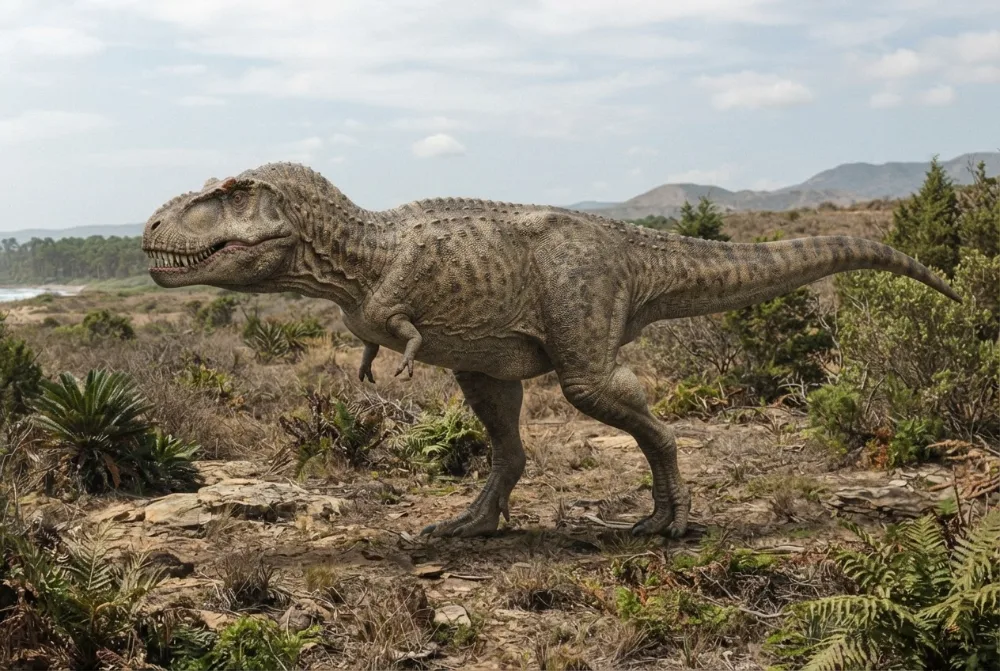
Labocania was a meat-eating dinosaur that lived in Mexico during the Late Cretaceous, about 85 to 72 million years ago. It was a medium-sized predator with strong bones and sharp teeth. Scientists are still figuring out exactly what kind of theropod it was.12
Berɛ bɛn na ɛtenaa ase?
Na ne kɛseɛ yɛ sɛn?
Na ne tenten yɛ sɛn?
Na ne korɔn yɛ sɛn?
nsusuiɛ
Na ne mu yɛ duru sɛn?

 ne tenten te sɛ nkraman 8 firi hwene kɔsi dua🍌ne tenten te sɛ kwadu 46 a wɔde abɔ toatoa sone mu duru te sɛ nkraman 140🍉ne mu duru te sɛ watamɛlɔn 580🎒ne mu duru te sɛ sukuu klaas mũ 4 mu mmofra🐻❄️ne mu duru te sɛ polar bea 6🏃anka ɔbɛtumi atu mmirika mita 100 wɔ sikɛn 12 mu (onipa a ɔyɛ ntɛm sen biara hia 9.6)
Labocania kɛseɛ yɛ sɛn sɛ wode toto WO ho a?
Akontaa nko ara wɔ wo browser mu. Yɛnkora biribiara so, na yɛmmfa biribiara nkɔ baabiara.
Na ɛyɛ ntɛm sɛn?


Nsɛm a ɛyɛ anigye
Labocania's skull bones were very thick and strong, especially the bones on top of its head.1
The first Labocania fossils were found in 1970 by a volunteer named Harley J. Garbani during an expedition in Baja California, Mexico.1
Labocania's teeth were flat and curved backwards, which helped it hold onto prey.1
Scientists have debated whether Labocania was a tyrannosaur, an abelisaur, or a carcharodontosaur. In 2024, a new study placed it with tyrannosaurs.1
The second species, Labocania aguillonae, was named in 2024 after Martha C. Aguillon, a paleontologist from Coahuila, Mexico.1
Labocania lived on land and walked on two legs, like other theropods.2
Nsɛm a wɔbisa bebree fa Labocania ho
?How big was Labocania?
Labocania was a medium sized carnivore. The species L. anomala was about 7 to 8.2 metres long and weighed around 1.5 to 2.6 tonnes. The smaller L. aguillonae was about 6.3 metres long.1
?Is Labocania a dinosaur?
Yes, Labocania is a dinosaur. It is a theropod dinosaur that lived in Mexico during the Late Cretaceous.1
?What did Labocania eat?
Labocania was a meat-eater. It had sharp, curved teeth and strong bones to help it catch and eat other animals.1
?When did Labocania live?
Labocania lived during the Late Cretaceous period, about 85 to 72 million years ago. Some estimates suggest it might have lived as early as about 93.6 million years ago.1
Atosɛm sɛefoɔ
Atosɛm: Some people think Labocania was definitely a tyrannosaur like T. rex.
Nokorɛ: Scientists are not sure. It might be a tyrannosaur, but some studies suggest it could be an abelisaur or a carcharodontosaur. The most recent study in 2024 supports tyrannosaur, but others disagree.1
Ma dino ho animdefoɔ
- Nyansahu din
- Labocania
- Obi a ɔtoo din
- Molnar 19745
- Kuo
- Tiranosɔɔ
- Abusua / kuo kɛseɛ
- Tyrannosauridae5
- Nkyekyɛmu
- Theropoda > Tyrannosauroidea > Tyrannosauridae5
- Abotan no mfeɛ
- mfeɛ ɔpepem 86 kɔsi 72 (Santonian / Campanian)5
- Abotan nhyehyɛeɛ
- La Bocana Roja, Cerro del Pueblo5
- Aman
- Mɛksiko5
- Fɔsil nkyerɛwee
- 2 wɔ The Paleobiology Database mu5
- Nhunumu
- The first fossils were found in 1970 by Harley J. Garbani during an expedition in Baja California, Mexico. Ralph Molnar named the dinosaur Labocania anomala in 1974.1
- Wɔda so gye ho akyinnye
- Scientists still debate what kind of theropod Labocania was. Some think it was a tyrannosaur, others think it was an abelisaur or a carcharodontosaur.1
Baabi a nsɛm no firi
- Labocania (en.wikipedia.org)
- PBDB Taxon (paleobiodb.org)
- A New Tyrant Dinosaur from the Late Campanian of Mexico Reveals a Tribe of Southern Tyrannosaurs (mdpi.com)
- A Leggy Tyrannosaur Emerges From a Mexican Desert - The New York Times (nytimes.com)
- Labocania in The Paleobiology Database (CC BY 4.0): mfeɛ, mmeaeɛ, abotan nhyehyɛeɛ, nkyekyɛmu.
Asɛm biara a ɛwɔ krataafa yi so wɔ nɔma a ɛkyerɛ baabi a ɛfiri. Sɛ yɛfom biribi a, kafra, yɛyɛ dino dɔfoɔ, yɛnyɛ nyansahu nsɛmma krataa. Ka kyerɛ yɛn wɔ [email protected] na yɛbɛsiesie.
 Ɔkɔm de Rex! Dino Wiki yɛ agya bi adwuma a ɔyɛɛ maa ne babarima a ɔdɔ dino. Ɛyɛ kwa, dawurubɔ biara nni mu, akyidifoɔ biara nni mu. Mpanimfoɔ bɛtumi ama Rex aduane kakra, na aboa ama Dino Wiki atena intanɛt so.Ma Rex aduane
 Tyrannosaurus
 Tarbosaurus
 Albertosaurus
 Daspletosaurus
 Gorgosaurus
 Alectrosaurus
 Triceratops
 Velociraptor
 Spinosaurus
 Ankylosaurus
 Parasaurolophus
 Pteranodon