 Woyɛ dino bɛn? Nsɛmmisa agoro
 Dino ko
 Dino mmirikatuo
 Dino agodie nketewa
 Stika nwoma
 Dino TOP nhyehyɛeɛ
 Ma me nwanwa!
Berɛ bɛn na ɛtenaa ase?

Na ne kɛseɛ yɛ sɛn?
Na ne tenten yɛ sɛn?
Na ne korɔn yɛ sɛn?
nsusuiɛ
Na ne mu yɛ duru sɛn?

 ne tenten te sɛ nkraman 2.5 firi hwene kɔsi dua🍌ne tenten te sɛ kwadu 15 a wɔde abɔ toatoa so🍉ne mu duru te sɛ watamɛlɔn 5🏃anka ɔbɛtumi atu mmirika mita 100 wɔ sikɛn 8.2 mu (onipa a ɔyɛ ntɛm sen biara hia 9.6)
Linhevenator kɛseɛ yɛ sɛn sɛ wode toto WO ho a?
Akontaa nko ara wɔ wo browser mu. Yɛnkora biribiara so, na yɛmmfa biribiara nkɔ baabiara.
Na ɛyɛ ntɛm sɛn?


Nsɛm a ɛyɛ anigye
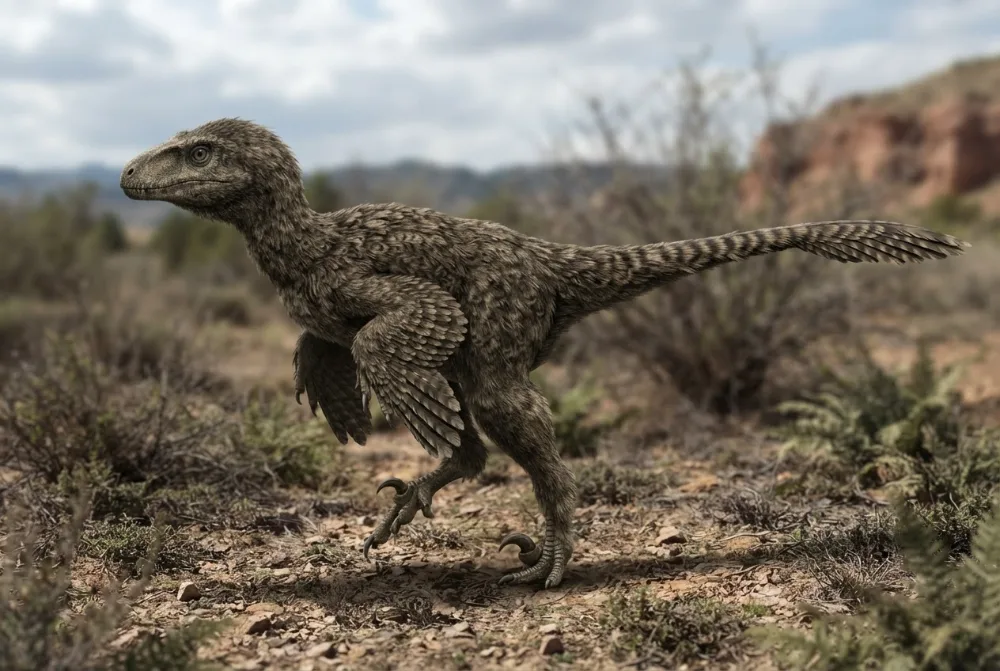
Linhevenator had a humerus, the upper arm bone, that was much shorter and sturdier than in most other troodontids.1
Its second toe had a big, curved claw, similar to the killer claw of dromaeosaurids like Velociraptor.1
The deltopectoral crest, a bump on the upper arm bone where muscles attach, was large, suggesting strong arm muscles.1
Linhevenator lived about 83 to 72 million years ago, during the Campanian age of the Late Cretaceous.2
The only known skeleton is partly articulated, meaning some bones were still connected when found.1
Scientists think Linhevenator might have used its strong arms for digging or climbing, not just for catching prey.1
Nsɛm a wɔbisa bebree fa Linhevenator ho
?How big was Linhevenator?
Linhevenator was about 1.9 to 2.7 metres long (6.2 to 8.9 feet), with an average of 2.2 metres (7.2 feet). It weighed around 23 kilograms (51 pounds).3
?What did Linhevenator eat?
Scientists are not sure. Some think troodontids like Linhevenator ate plants because of their teeth, while others think they were meat-eaters. The strong arms and big claw suggest it could catch prey.43
?Did Linhevenator have feathers?
The sources do not say for sure, but troodontids were bird-like dinosaurs closely related to birds, so many scientists think they probably had feathers.3
?When did Linhevenator live?
Linhevenator lived about 83 to 72 million years ago, during the Campanian age of the Late Cretaceous.3
Atosɛm sɛefoɔ
Atosɛm: Some people think all raptors had long, grasping arms.
Nokorɛ: Linhevenator shows that some troodontids had short, strong arms, so not all raptor-like dinosaurs had long arms.1
Ma dino ho animdefoɔ
- Nyansahu din
- Linhevenator
- Obi a ɔtoo din
- Xu et al. 20115
- Kuo
- Raptɔ
- Abusua / kuo kɛseɛ
- Troodontidae5
- Nkyekyɛmu
- Theropoda > Troodontidae5
- Abotan no mfeɛ
- mfeɛ ɔpepem 84 kɔsi 72 (Campanian)5
- Abotan nhyehyɛeɛ
- Wulansuhai5
- Aman
- Kyaena5
- Fɔsil nkyerɛwee
- 1 wɔ The Paleobiology Database mu5
- Nhunumu
- Linhevenator was named by Xu and colleagues in 2011 based on a partial skeleton found in the Wulansuhai Formation in Inner Mongolia, China.21
- Wɔda so gye ho akyinnye
- Scientists are not sure if Linhevenator was mainly a meat-eater or if it also ate plants, because its teeth have large serrations that some researchers link to herbivory.1
Baabi a nsɛm no firi
- A Short-Armed Troodontid Dinosaur from the Upper (ivpp.cas.cn)
- PBDB Taxon (paleobiodb.org)
- Linhevenator (en.wikipedia.org)
- A Short-Armed Troodontid Dinosaur from the Upper Cretaceous of Inner Mongolia and Its Implications for Troodontid Evolution | PLOS One (journals.plos.org)
- Linhevenator in The Paleobiology Database (CC BY 4.0): mfeɛ, mmeaeɛ, abotan nhyehyɛeɛ, nkyekyɛmu.
Asɛm biara a ɛwɔ krataafa yi so wɔ nɔma a ɛkyerɛ baabi a ɛfiri. Sɛ yɛfom biribi a, kafra, yɛyɛ dino dɔfoɔ, yɛnyɛ nyansahu nsɛmma krataa. Ka kyerɛ yɛn wɔ [email protected] na yɛbɛsiesie.
 Ɔkɔm de Rex! Dino Wiki yɛ agya bi adwuma a ɔyɛɛ maa ne babarima a ɔdɔ dino. Ɛyɛ kwa, dawurubɔ biara nni mu, akyidifoɔ biara nni mu. Mpanimfoɔ bɛtumi ama Rex aduane kakra, na aboa ama Dino Wiki atena intanɛt so.Ma Rex aduane
 Velociraptor
 Microraptor
 Deinonychus
 Asiamericana
 Richardoestesia
 Saurornitholestes
 Tyrannosaurus
 Triceratops
 Spinosaurus
 Ankylosaurus
 Parasaurolophus
 Pteranodon