 Woyɛ dino bɛn? Nsɛmmisa agoro
 Dino ko
 Dino mmirikatuo
 Dino agodie nketewa
 Stika nwoma
 Dino TOP nhyehyɛeɛ
 Ma me nwanwa!
Pararhabdodon
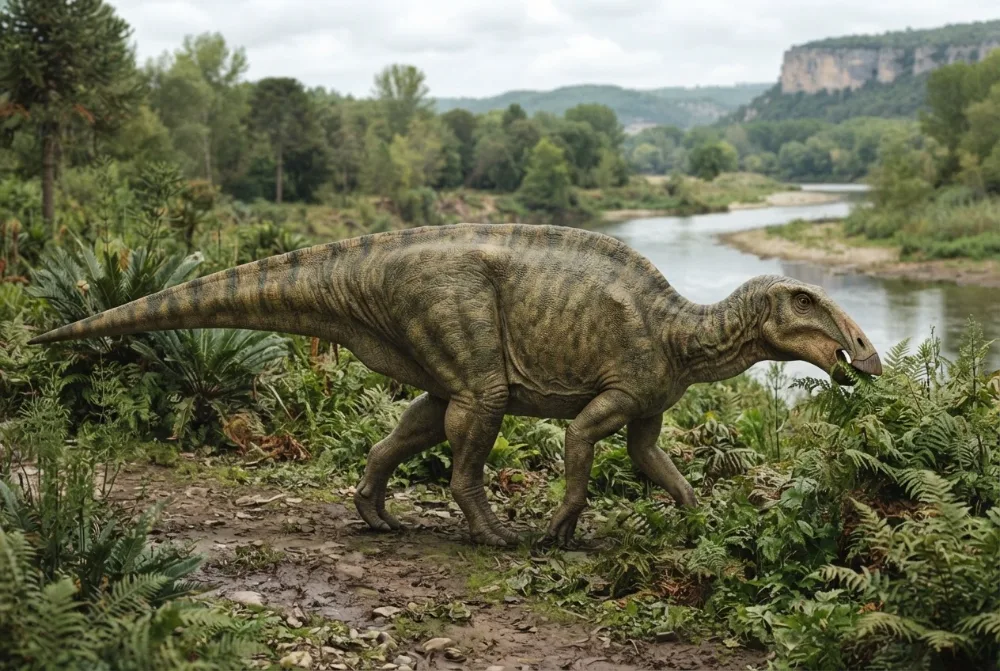
Pararhabdodon was a big duck-billed dinosaur that lived in Spain near the end of the Age of Dinosaurs. It walked on two legs or all fours and munched on plants with its toothy beak.1
Berɛ bɛn na ɛtenaa ase?
Na ne kɛseɛ yɛ sɛn?
Na ne tenten yɛ sɛn?
 ne tenten te sɛ kaa 2 a wɔde agyina toatoa so🍌ne tenten te sɛ kwadu 50 a wɔde abɔ toatoa so🏃anka ɔbɛtumi atu mmirika mita 100 wɔ sikɛn 15 mu (onipa a ɔyɛ ntɛm sen biara hia 9.6)
Pararhabdodon kɛseɛ yɛ sɛn sɛ wode toto WO ho a?
Akontaa nko ara wɔ wo browser mu. Yɛnkora biribiara so, na yɛmmfa biribiara nkɔ baabiara.
Na ɛyɛ ntɛm sɛn?


Nsɛm a ɛyɛ anigye
Pararhabdodon was one of the very last non-bird dinosaurs, living just before the big extinction 66 million years ago.1
It was the first lambeosaurine hadrosaur ever found on the European continent.1
Even though it lived on an island, it did not shrink like some other island dinosaurs; it may have grown as large as its relatives in North America and Asia.1
Scientists think it could walk on two legs or on all fours, depending on what it was doing.1
Some bones from France and other Spanish sites were once thought to belong to Pararhabdodon, but later studies questioned those ideas.1
A bonebed called Basturs Poble has many hadrosaur bones, and some scientists thought they belonged to Pararhabdodon, but that is not certain.1
Nsɛm a wɔbisa bebree fa Pararhabdodon ho
?How big was Pararhabdodon?
The holotype specimen was about 6 metres (20 ft) long, but it was not fully grown. Adults likely reached around 9 metres (30 ft), similar to relatives like Corythosaurus and Tsintaosaurus.1
?What did Pararhabdodon eat?
It was a herbivore, meaning it ate plants. It used its toothy beak to munch on vegetation.1
?Where was Pararhabdodon found?
Its fossils were discovered in the Tremp Group of Spain, near Isona in the Pyrenees. Some bones from France were once thought to belong to it, but that is now questioned.1
?Is Pararhabdodon a dinosaur?
Yes, it is a dinosaur. Specifically, it is a lambeosaurine hadrosaurid, a type of duck-billed dinosaur.1
Atosɛm sɛefoɔ
Atosɛm: Some people think Pararhabdodon was a small dinosaur because it lived on an island.
Nokorɛ: The holotype was not fully grown, and adults likely reached about 9 metres long, similar to other lambeosaurines.1
Ma dino ho animdefoɔ
- Nyansahu din
- Pararhabdodon
- Obi a ɔtoo din
- Casanovas Cladellas 19922
- Kuo
- Dabodabo ano dino
- Abusua / kuo kɛseɛ
- Hadrosauridae2
- Nkyekyɛmu
- Ornithischia > Ornithopoda > Iguanodontia > Hadrosauridae2
- Abotan no mfeɛ
- mfeɛ ɔpepem 72 kɔsi 66 (Maastrichtian)2
- Abotan nhyehyɛeɛ
- Conques, Talarn, La Posa2
- Aman
- Spania2
- Fɔsil nkyerɛwee
- 7 wɔ The Paleobiology Database mu2
- Nhunumu
- Fossils were first dug up in 1985 at Sant Romà d'Abella in Spain, and in 1993 scientists named the species Pararhabdodon isonensis.1
- Wɔda so gye ho akyinnye
- Scientists still debate whether some other Spanish hadrosaurs, like Blasisaurus and Arenysaurus, were actually the same animal as Pararhabdodon.1
Baabi a nsɛm no firi
- Pararhabdodon (en.wikipedia.org)
- Pararhabdodon in The Paleobiology Database (CC BY 4.0): mfeɛ, mmeaeɛ, abotan nhyehyɛeɛ, nkyekyɛmu.
Asɛm biara a ɛwɔ krataafa yi so wɔ nɔma a ɛkyerɛ baabi a ɛfiri. Sɛ yɛfom biribi a, kafra, yɛyɛ dino dɔfoɔ, yɛnyɛ nyansahu nsɛmma krataa. Ka kyerɛ yɛn wɔ [email protected] na yɛbɛsiesie.
 Ɔkɔm de Rex! Dino Wiki yɛ agya bi adwuma a ɔyɛɛ maa ne babarima a ɔdɔ dino. Ɛyɛ kwa, dawurubɔ biara nni mu, akyidifoɔ biara nni mu. Mpanimfoɔ bɛtumi ama Rex aduane kakra, na aboa ama Dino Wiki atena intanɛt so.Ma Rex aduane
 Parasaurolophus
 Edmontosaurus
 Saurolophus
 Hypacrosaurus
 Corythosaurus
 Kritosaurus
 Tyrannosaurus
 Triceratops
 Velociraptor
 Spinosaurus
 Ankylosaurus
 Pteranodon