 Woyɛ dino bɛn? Nsɛmmisa agoro
 Dino ko
 Dino mmirikatuo
 Dino agodie nketewa
 Stika nwoma
 Dino TOP nhyehyɛeɛ
 Ma me nwanwa!
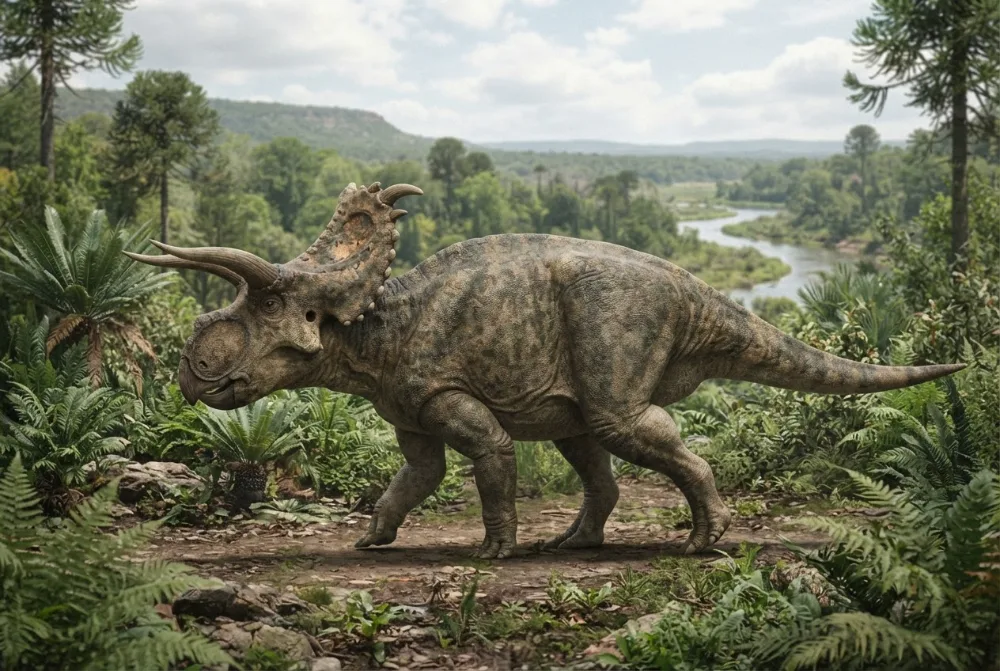
Zuniceratops
Zuniceratops was a small, plant-eating dinosaur that lived about 90 million years ago. It had a pair of long brow horns and a frill on its head, but no nose horn. It is one of the earliest horned dinosaurs to show how bigger, later horned dinosaurs like Triceratops evolved.1
Berɛ bɛn na ɛtenaa ase?
Na ne kɛseɛ yɛ sɛn?
Na ne tenten yɛ sɛn?
Na ne korɔn yɛ sɛn?
Na ne mu yɛ duru sɛn?
 ne tenten te sɛ nkraman 4 firi hwene kɔsi dua🍌ne tenten te sɛ kwadu 19 a wɔde abɔ toatoa so🍉ne mu duru te sɛ watamɛlɔn 35🧸ne mu duru te sɛ nkɔkɔaa sukuu mmofra 9🎒ne mu duru te sɛ sukuu mmofra 5🏃anka ɔbɛtumi atu mmirika mita 100 wɔ sikɛn 9.7 mu (onipa a ɔyɛ ntɛm sen biara hia 9.6)
Zuniceratops kɛseɛ yɛ sɛn sɛ wode toto WO ho a?
Akontaa nko ara wɔ wo browser mu. Yɛnkora biribiara so, na yɛmmfa biribiara nkɔ baabiara.
Na ɛyɛ ntɛm sɛn?


Nsɛm a ɛyɛ anigye
Zuniceratops was discovered in 1996 by eight-year-old Christopher James Wolfe, the son of a paleontologist, while exploring in New Mexico.1
Young Zuniceratops had single-rooted teeth, but as they grew older their teeth became double-rooted. This change with age is unusual among horned dinosaurs.1
Zuniceratops lived alongside other dinosaurs like the tyrannosaur Suskityrannus, the big-clawed Nothronychus, and the ankylosaur Jeyawati.1
Fossils of several Zuniceratops individuals have been found together in a bonebed, suggesting they may have lived in groups.1
Zuniceratops had no nose horn, but it had well-developed brow horns that look like those of later, bigger horned dinosaurs.1
Zuniceratops is an important piece of evidence that horned dinosaurs may have evolved in North America, not Asia.1
Nsɛm a wɔbisa bebree fa Zuniceratops ho
?How big was Zuniceratops?
Zuniceratops was about 2.2 to 3.5 meters (7.2 to 11.5 ft) long, 1 meter (3.3 ft) tall at the hips, and weighed around 175 kilograms (386 lb).1
?What did Zuniceratops eat?
Zuniceratops was a plant-eater (herbivore).2
?When did Zuniceratops live?
Zuniceratops lived during the Late Cretaceous period, about 90.9 to 88.6 million years ago.1
?Who discovered Zuniceratops?
Zuniceratops was discovered in 1996 by eight-year-old Christopher James Wolfe, son of paleontologist Douglas G. Wolfe.1
?Did Zuniceratops have horns?
Yes, Zuniceratops had a pair of well-developed brow horns, but it had no nose horn.1
?Is Zuniceratops a dinosaur?
Yes, Zuniceratops is a dinosaur. It is a ceratopsian, a group of horned, plant-eating dinosaurs.1
Ma dino ho animdefoɔ
- Nyansahu din
- Zuniceratops
- Obi a ɔtoo din
- Wolfe and Kirkland 19983
- Kuo
- Dino a wɔwɔ mmɛn
- Abusua / kuo kɛseɛ
- Ceratopsoidea3
- Nkyekyɛmu
- Ornithischia > Ceratopsia3
- Abotan no mfeɛ
- mfeɛ ɔpepem 94 kɔsi 90 (Turonian)3
- Abotan nhyehyɛeɛ
- Moreno Hill3
- Aman
- Amerika3
- Fɔsil nkyerɛwee
- 3 wɔ The Paleobiology Database mu3
- Nhunumu
- Zuniceratops was named in 1998 by paleontologists Douglas Wolfe and James Kirkland. The first fossils, including a skull and bones from several individuals, were found in the Moreno Hill Formation in New Mexico in 1996. The species name, christopheri, honors the discoverer, Christopher James Wolfe.13
- Wɔda so gye ho akyinnye
- Scientists are still debating exactly how Zuniceratops is related to the later, larger horned dinosaurs called ceratopsids.1
Baabi a nsɛm no firi
- Zuniceratops (en.wikipedia.org)
- enchantedlearning.com (enchantedlearning.com)
- Zuniceratops in The Paleobiology Database (CC BY 4.0): mfeɛ, mmeaeɛ, abotan nhyehyɛeɛ, nkyekyɛmu.
Asɛm biara a ɛwɔ krataafa yi so wɔ nɔma a ɛkyerɛ baabi a ɛfiri. Sɛ yɛfom biribi a, kafra, yɛyɛ dino dɔfoɔ, yɛnyɛ nyansahu nsɛmma krataa. Ka kyerɛ yɛn wɔ [email protected] na yɛbɛsiesie.
 Ɔkɔm de Rex! Dino Wiki yɛ agya bi adwuma a ɔyɛɛ maa ne babarima a ɔdɔ dino. Ɛyɛ kwa, dawurubɔ biara nni mu, akyidifoɔ biara nni mu. Mpanimfoɔ bɛtumi ama Rex aduane kakra, na aboa ama Dino Wiki atena intanɛt so.Ma Rex aduane
 Triceratops
 Protoceratops
 Ojoceratops
 Tatankaceratops
 Psittacosaurus
 Centrosaurus
 Tyrannosaurus
 Velociraptor
 Spinosaurus
 Ankylosaurus
 Parasaurolophus
 Pteranodon