 Zer dino zara? Galdetegia
 Dino borroka
 Dino lasterketa
 Dino minijokoak
 Pegatina-albuma
 Dino TOP zerrendak
 Harritu nazazu!
Bonapartenykus
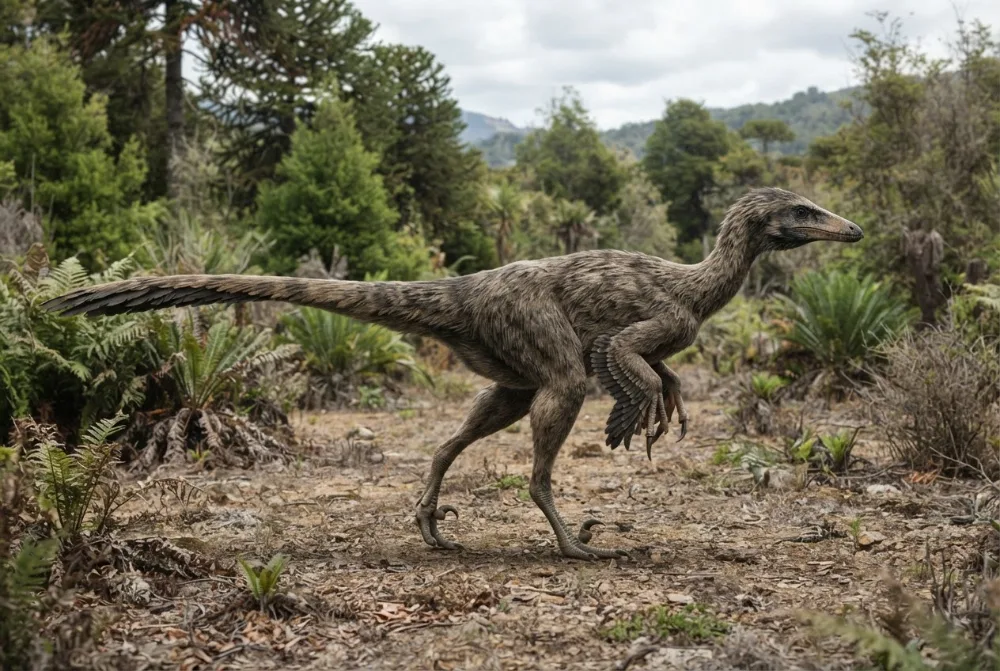
Bonapartenykus was a meat-eating dinosaur that lived in South America near the end of the Age of Dinosaurs. It was one of the biggest members of its family, the alvarezsauroids, and it had a special claw on each hand.1
Noiz bizi izan zen?
Zein handia zen?
Zein luzea zen?
Zein altua zen?
kalkulua
Zein astuna zen?
 3 txakur bezain luze, sudurretik buztanera🍌bata bestearen atzean jarritako 18 banana bezain luze🍉14 angurria bezain astun🧸haur-eskolako 4 haur bezain astun🎒2 eskolaume bezain astun🏃100 metro 7,2 segundotan egin zitzakeen korrika (gizakirik azkarrenak 9,6 behar ditu)
Zein handia zen Bonapartenykus ZUREKIN alderatuta?
Zure nabigatzaileko kalkulu hutsak. Ez da ezer gordetzen ez inora bidaltzen.
Zein azkarra zen?


Datu dibertigarriak
Bonapartenykus is the largest known alvarezsauroid, measuring up to 3.3 metres (10.8 feet) long and weighing up to 72 kilograms (159 pounds).1
Its fossils were found with two incomplete eggs and many eggshell pieces, which were given their own scientific name, Arriagadoolithus.1
The eggs were found less than 20 centimetres (7.9 inches) away from the skeleton, so scientists think they may belong to Bonapartenykus.1
Bonapartenykus had a fused hip bone and a fused shoulder blade, which are unusual features that help scientists tell it apart from other dinosaurs.1
It lived between 72 and 66 million years ago, during the Maastrichtian age of the Late Cretaceous period.2
The name 'ultimus' means 'latest', because it was one of the youngest alvarezsauroids from South America.1
Bonapartenykus: gehien egindako galderak
?How big was Bonapartenykus?
It was about 2.5 to 3.3 metres (8.2 to 10.8 feet) long and weighed 43 to 72 kilograms (95 to 159 pounds). That makes it the largest known alvarezsauroid.1
?What did Bonapartenykus eat?
It was a meat-eating dinosaur, so it probably ate small animals like lizards or insects. Its special claw may have helped it catch prey.1
?Did Bonapartenykus lay eggs?
Yes, its fossils were found with two eggs and many eggshell pieces nearby. Scientists think the eggs belonged to Bonapartenykus and gave them the name Arriagadoolithus.1
?When did Bonapartenykus live?
It lived between 72 and 66 million years ago, near the end of the Age of Dinosaurs. Its name 'ultimus' means 'latest' because it was one of the youngest alvarezsauroids from South America.1
Mito-hauslea
Mitoa: Some people think Bonapartenykus was a bird because it had feathers and a beak-like snout.
Egia: Bonapartenykus was a dinosaur, not a bird. It belonged to a group called alvarezsauroids, which are close relatives of birds but still dinosaurs.1
Dino adituentzat
- Izen zientifikoa
- Bonapartenykus
- Izendatzailea:
- Agnolin et al. 20122
- Taldea
- Dino haragijaleak
- Familia / klada
- Alvarezsauroidea2
- Sailkapena
- Theropoda2
- Arroken adina
- 72 eta 66 milioi urte artean (Maastrichtian)2
- Arroka-formazioak
- Allen2
- Herrialdeak
- Argentina2
- Fosil-erregistroak
- 3 The Paleobiology Database datu-basean2
- Aurkikuntza
- The first skeleton was found in Argentina and was described in 2009 as an unknown alvarezsaurid. In 2012, scientists Federico Agnolin, Jaime Powell, Fernando Novas, and Martin Kundrát named it Bonapartenykus ultimus.1
- Oraindik eztabaidagai
- Scientists are not sure if the eggs found with Bonapartenykus really belong to it, because they were not inside the body. They might belong to another animal.1
Datuak nondik datozen
- Bonapartenykus (en.wikipedia.org)
- Bonapartenykus in The Paleobiology Database (CC BY 4.0): adina, tokiak, arroka-formazioak, sailkapena.
Orrialde honetako datu bakoitzak zenbaki bat du, bere iturrira eramaten zaituena. Zerbait gaizki badugu, barkatu, dino-zaleak gara, ez zientzia-aldizkari bat. Idatzi [email protected] helbidera eta konponduko dugu.
 Rex gose da! Dino Wiki aita baten proiektua da, dinosauroak maite dituen bere semearentzat, doakoa, iragarkirik eta jarraitzailerik gabe. Helduek mokadutxo bat eman diezaiokete Rexi, sarean jarraitzen laguntzeko.Eman jaten Rexi
 Allosaurus
 Carnotaurus
 Dilophosaurus
 Giganotosaurus
 Compsognathus
 Paronychodon
 Tyrannosaurus
 Triceratops
 Velociraptor
 Spinosaurus
 Ankylosaurus
 Parasaurolophus