 Zer dino zara? Galdetegia
 Dino borroka
 Dino lasterketa
 Dino minijokoak
 Pegatina-albuma
 Dino TOP zerrendak
 Harritu nazazu!
Campylognathoides
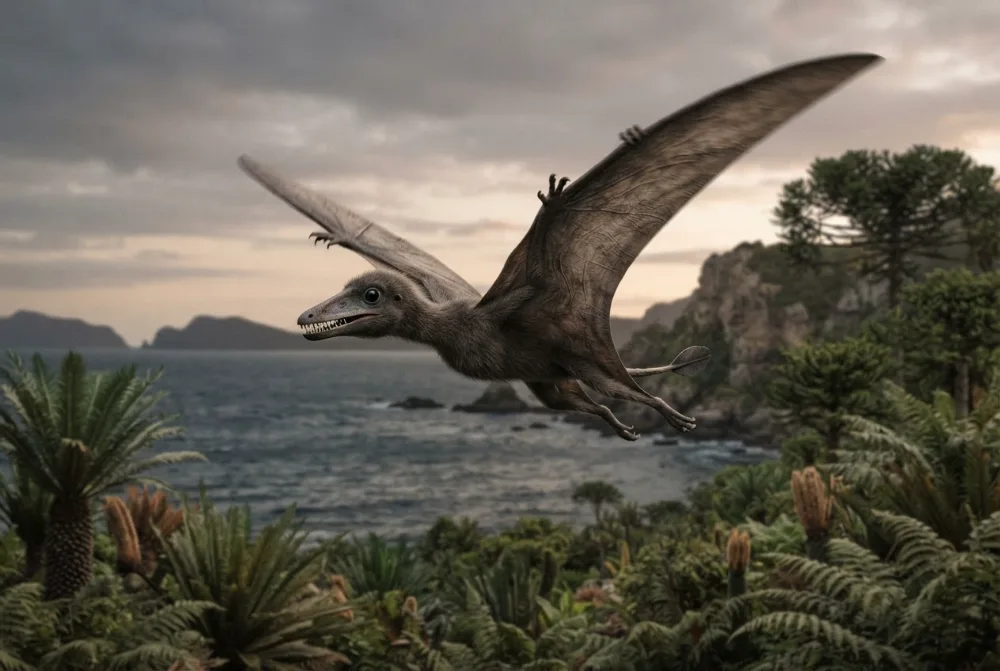
Campylognathoides was a small flying reptile that lived in the Early Jurassic, about 182 million years ago. It had long, narrow wings and a short tail, and it probably hunted at night for squid-like animals called belemnoids.12
Noiz bizi izan zen?
Zein handia zen?
Zein zabalak ziren bere hegoak?
 4 etxeko katu bezain luze, sudurretik buztanera⚽futbol zelai oso bat zeharkatu zezakeen hegan 8,4 segundotan
Zein handia zen Campylognathoides ZUREKIN alderatuta?
Zure nabigatzaileko kalkulu hutsak. Ez da ezer gordetzen ez inora bidaltzen.
Zein azkarra zen?


Datu dibertigarriak
Campylognathoides is the only pterosaur known to have eaten belemnoids. Scientists found hooklets from these squid-like animals in its stomach.2
Because belemnoids migrated to the surface at night, Campylognathoides may have hunted in the dark, like some modern bats and falcons.2
The first fossils of Campylognathoides were just wing fragments. Later, much better skeletons were found in the Holzmaden shale.1
Its original name, Campylognathus, was already used for a bug. So in 1928, the name was changed to Campylognathoides.1
Campylognathoides lived in a shallow sea. Its fossils are found in marine rocks, but it flew over the water to catch its prey.12
Scientists think Campylognathoides had a fast, agile flight, similar to falcons and mastiff bats that catch food while flying.1
Campylognathoides: gehien egindako galderak
?How big was Campylognathoides?
It was quite small. The larger species, C. zitteli, had a wingspan of about 1.75 metres (5.7 feet), and the smaller species, C. liasicus, had a wingspan of around 0.9 metres (3 feet).1
?Was Campylognathoides a dinosaur?
No, it was a pterosaur, a type of flying reptile that lived alongside dinosaurs but is not a dinosaur itself.1
?What did Campylognathoides eat?
It ate squid-like animals called belemnoids. Scientists found hooklets from a belemnoid called Clarkeiteuthis conocauda in its stomach.2
Dino adituentzat
- Izen zientifikoa
- Campylognathoides
- Izendatzailea:
- Strand 19283
- Taldea
- Narrasti hegalariak
- Familia / klada
- Campylognathoididae3
- Sailkapena
- Pterosauria3
- Arroken adina
- 184 eta 183 milioi urte artean (Toarcian)3
- Arroka-formazioak
- Posidonia Shale3
- Herrialdeak
- Alemania3
- Fosil-erregistroak
- 12 The Paleobiology Database datu-basean3
- Aurkikuntza
- The first specimen was described by Felix Plieninger in 1894 as Campylognathus zitteli, based on wing fragments from Germany. In 1928, Embrik Strand renamed it Campylognathoides because the old name was already taken.1
- Oraindik eztabaidagai
- Scientists are not sure if Campylognathoides hunted only at night or also during the day. The idea of nocturnal hunting is still being studied.2
Datuak nondik datozen
- Campylognathoides (en.wikipedia.org)
- Dietary tendencies of the Early Jurassic pterosaurs Campylognathoides Strand, 1928, and Dorygnathus (dinodata.de)
- Campylognathoides in The Paleobiology Database (CC BY 4.0): adina, tokiak, arroka-formazioak, sailkapena.
Orrialde honetako datu bakoitzak zenbaki bat du, bere iturrira eramaten zaituena. Zerbait gaizki badugu, barkatu, dino-zaleak gara, ez zientzia-aldizkari bat. Idatzi [email protected] helbidera eta konponduko dugu.
 Rex gose da! Dino Wiki aita baten proiektua da, dinosauroak maite dituen bere semearentzat, doakoa, iragarkirik eta jarraitzailerik gabe. Helduek mokadutxo bat eman diezaiokete Rexi, sarean jarraitzen laguntzeko.Eman jaten Rexi
 Pteranodon
 Quetzalcoatlus
 Dorygnathus
 Rhamphorhynchus
 Anhanguera
 Pterodactylus
 Dilophosaurus
 Stenopterygius
 Lufengosaurus
 Scutellosaurus
 Yunnanosaurus
 Sinosaurus