 Zer dino zara? Galdetegia
 Dino borroka
 Dino lasterketa
 Dino minijokoak
 Pegatina-albuma
 Dino TOP zerrendak
 Harritu nazazu!
Noiz bizi izan zen?

Zein handia zen?
Zein luzea zen?
Zein altua zen?
Zein astuna zen?
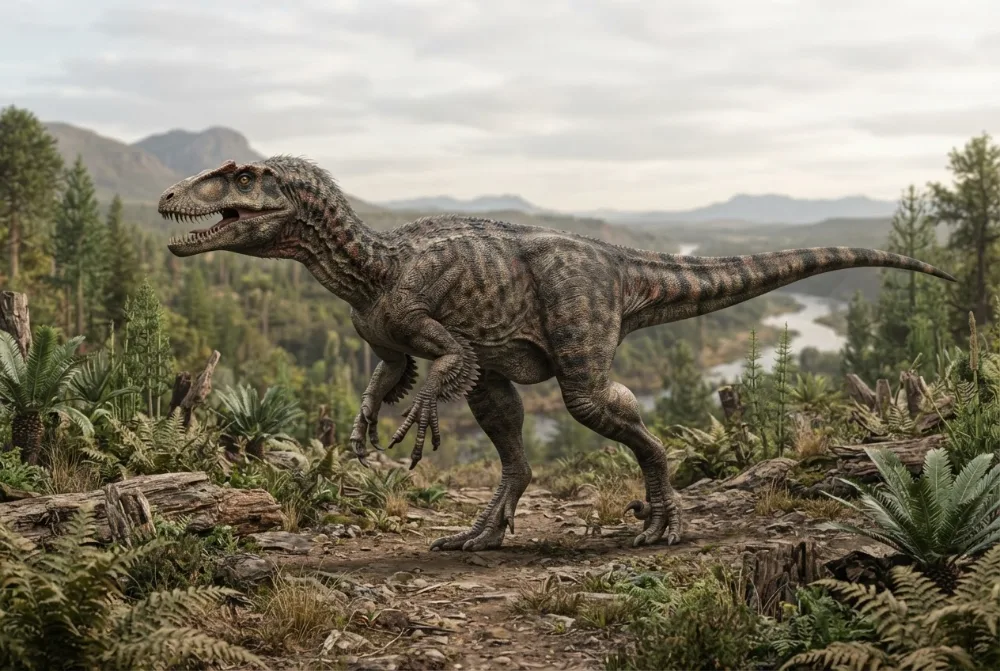
 6 txakur bezain luze, sudurretik buztanera🍌bata bestearen atzean jarritako 36 banana bezain luze🍉50 angurria bezain astun🧸haur-eskolako 13 haur bezain astun🎒8 eskolaume bezain astun🏃100 metro 7,7 segundotan egin zitzakeen korrika (gizakirik azkarrenak 9,6 behar ditu)
Zein handia zen Dracovenator ZUREKIN alderatuta?
Zure nabigatzaileko kalkulu hutsak. Ez da ezer gordetzen ez inora bidaltzen.
Zein azkarra zen?


Datu dibertigarriak
Dracovenator had a kink in its upper jaw, between the maxilla and the premaxilla, similar to Dilophosaurus.1
The back of its lower jaw had lumps and bumps, a feature also seen in Dilophosaurus but smaller.1
The only fossils found so far are a partial skull and some jaw bones. The original skull was lost after being stored at a university.1
Dracovenator lived during the Early Jurassic, about 201 to 199 million years ago.1
Its name comes from the Drakensberg mountains, which means 'Dragon's Mountain' in Dutch.1
The species name regenti honors Regent 'Lucas' Huma, the field assistant who helped discover the fossils.1
Dracovenator: gehien egindako galderak
?How big was Dracovenator?
About 5.5 to 6.5 metres (18 to 21 feet) long and weighed around 250 kilograms (550 pounds). Some footprints suggest it might have been up to 9 metres (30 feet) long, but that is not certain.1
?What did Dracovenator eat?
It was a meat-eater that hunted big plant-eating dinosaurs like Massospondylus.1
?When did Dracovenator live?
It lived during the Early Jurassic period, about 201 to 199 million years ago.1
?Where was Dracovenator found?
Its fossils were discovered in the Upper Drumbo Farm area of the Eastern Cape Province in South Africa.1
?Is Dracovenator related to Dilophosaurus?
Yes, scientists think Dracovenator was closely related to Dilophosaurus and another dinosaur called Zupaysaurus.1
?Why is it called Dracovenator?
Its name means 'dragon hunter' in Latin, because it was found near the Drakensberg mountains, which are called 'Dragon's Mountain' in Dutch.1
Dino adituentzat
- Izen zientifikoa
- Dracovenator
- Izendatzailea:
- Yates 20054
- Taldea
- Dino haragijaleak
- Familia / klada
- Neotheropoda4
- Sailkapena
- Theropoda4
- Arroken adina
- 201 eta 193 milioi urte artean (Hettangian / Sinemurian)4
- Arroka-formazioak
- Elliot4
- Herrialdeak
- Hegoafrika4
- Fosil-erregistroak
- 2 The Paleobiology Database datu-basean4
- Aurkikuntza
- Dracovenator was named by Adam M. Yates in 2005. The first fossils were found by James Kitching and Regent Huma at Upper Drumbo Farm in South Africa.1
- Oraindik eztabaidagai
- Scientists are not sure exactly how Dracovenator is related to other early theropods. Some studies place it close to Dilophosaurus, but the evidence is not strong.2
Datuak nondik datozen
- Dracovenator (en.wikipedia.org)
- A new theropod dinosaur from the Early Jurassic of South Africa and its implications for the early evolution of theropods (web.archive.org)
- Dracovenator: The Dragon Hunter of Early Jurassic (thedinosaurs.org)
- Dracovenator in The Paleobiology Database (CC BY 4.0): adina, tokiak, arroka-formazioak, sailkapena.
Orrialde honetako datu bakoitzak zenbaki bat du, bere iturrira eramaten zaituena. Zerbait gaizki badugu, barkatu, dino-zaleak gara, ez zientzia-aldizkari bat. Idatzi [email protected] helbidera eta konponduko dugu.
 Rex gose da! Dino Wiki aita baten proiektua da, dinosauroak maite dituen bere semearentzat, doakoa, iragarkirik eta jarraitzailerik gabe. Helduek mokadutxo bat eman diezaiokete Rexi, sarean jarraitzen laguntzeko.Eman jaten Rexi
 Allosaurus
 Carnotaurus
 Dilophosaurus
 Giganotosaurus
 Compsognathus
 Paronychodon
 Stenopterygius
 Dorygnathus
 Lufengosaurus
 Scutellosaurus
 Yunnanosaurus
 Temnodontosaurus