 Zer dino zara? Galdetegia
 Dino borroka
 Dino lasterketa
 Dino minijokoak
 Pegatina-albuma
 Dino TOP zerrendak
 Harritu nazazu!
Hagryphus
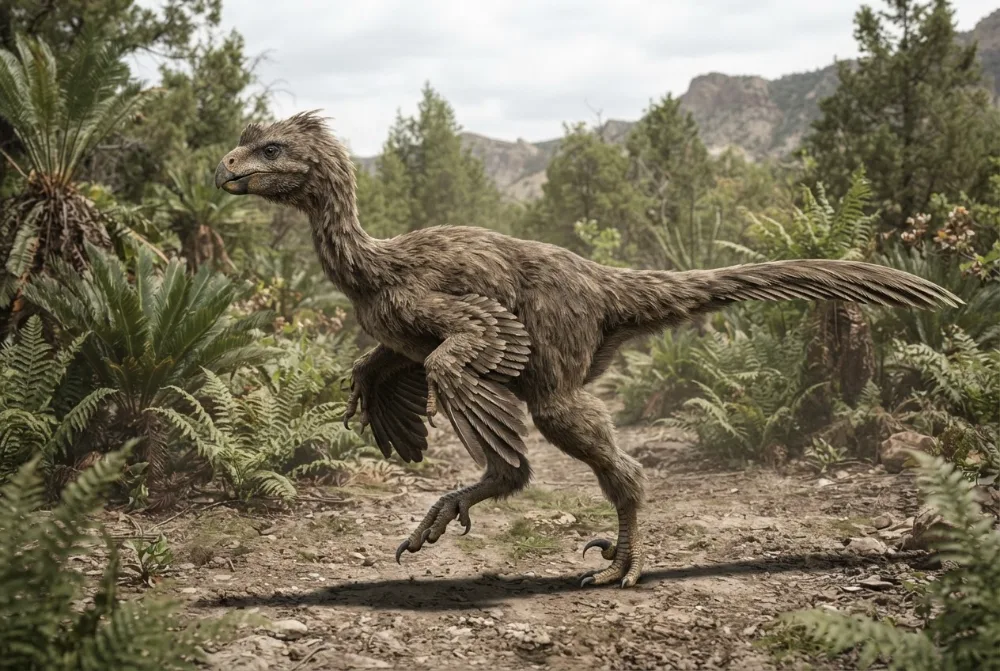
Hagryphus was a big, feathered dinosaur that lived in what is now Utah, USA, about 76 million years ago. It was one of the largest oviraptorosaurs in North America, and it probably used its toothless beak to eat plants and small animals.12
Noiz bizi izan zen?
Zein handia zen?
Zein luzea zen?
Zein altua zen?
kalkulua
Zein astuna zen?
 3 txakur bezain luze, sudurretik buztanera🍌bata bestearen atzean jarritako 17 banana bezain luze
 12 etxeko katu bezain astun🍉10 angurria bezain astun🧸haur-eskolako 2,5 haur bezain astun🎒1,5 eskolaume bezain astun🏃100 metro 7,7 segundotan egin zitzakeen korrika (gizakirik azkarrenak 9,6 behar ditu)
Zein handia zen Hagryphus ZUREKIN alderatuta?
Zure nabigatzaileko kalkulu hutsak. Ez da ezer gordetzen ez inora bidaltzen.
Zein azkarra zen?


Datu dibertigarriak
Hagryphus was about 30 to 40 percent larger than the next largest North American oviraptorosaur, Chirostenotes.1
The only known fossil includes a nearly complete left hand, which was about a foot long, and some foot bones.1
Hagryphus lived near the shore of a huge inland sea called the Western Interior Seaway, in a wet, humid environment with swamps and lakes.1
It was probably covered in feathers, like other oviraptorosaurs, and some scientists think it might have been a true bird.1
The hand of Hagryphus had a very robust first finger, with a claw that was especially thick and strong.1
Hagryphus: gehien egindako galderak
?How big was Hagryphus?
About 2.4 to 3 metres long and weighed around 50 kilograms.1
?Did Hagryphus have feathers?
Yes, evidence suggests it was feathered, like other oviraptorosaurs.1
?What did Hagryphus eat?
It had a toothless beak and probably ate plants or small animals, not just eggs.1
?When did Hagryphus live?
It lived about 76 million years ago, during the Late Cretaceous period.1
Mito-hauslea
Mitoa: Some people think Hagryphus ate only eggs because it had no teeth.
Egia: Scientists now think it likely ate plants and small vertebrates, not just eggs.1
Dino adituentzat
- Izen zientifikoa
- Hagryphus
- Izendatzailea:
- Zanno and Sampson 20052
- Taldea
- Dino lumadun bitxiak
- Familia / klada
- Caenagnathidae2
- Sailkapena
- Theropoda > Oviraptorosauria2
- Arroken adina
- 84 eta 72 milioi urte artean (Campanian)2
- Arroka-formazioak
- Kaiparowits2
- Herrialdeak
- AEB2
- Fosil-erregistroak
- 1 The Paleobiology Database datu-basean2
- Aurkikuntza
- The fossil was found in 2002 by Michael Getty in southern Utah, and it was named Hagryphus giganteus by Lindsay Zanno and Scott Sampson in 2005.1
- Oraindik eztabaidagai
- Scientists still debate whether Hagryphus was a member of the Caenagnathidae family or a more general oviraptorosaur, and whether it was a bird.1
Datuak nondik datozen
- Hagryphus (en.wikipedia.org)
- Hagryphus in The Paleobiology Database (CC BY 4.0): adina, tokiak, arroka-formazioak, sailkapena.
Orrialde honetako datu bakoitzak zenbaki bat du, bere iturrira eramaten zaituena. Zerbait gaizki badugu, barkatu, dino-zaleak gara, ez zientzia-aldizkari bat. Idatzi [email protected] helbidera eta konponduko dugu.
 Rex gose da! Dino Wiki aita baten proiektua da, dinosauroak maite dituen bere semearentzat, doakoa, iragarkirik eta jarraitzailerik gabe. Helduek mokadutxo bat eman diezaiokete Rexi, sarean jarraitzen laguntzeko.Eman jaten Rexi
 Therizinosaurus
 Oviraptor
 Chirostenotes
 Citipes
 Leptorhynchos
 Avimimus
 Tyrannosaurus
 Triceratops
 Velociraptor
 Spinosaurus
 Ankylosaurus
 Parasaurolophus