 Zer dino zara? Galdetegia
 Dino borroka
 Dino lasterketa
 Dino minijokoak
 Pegatina-albuma
 Dino TOP zerrendak
 Harritu nazazu!
Yungavolucris
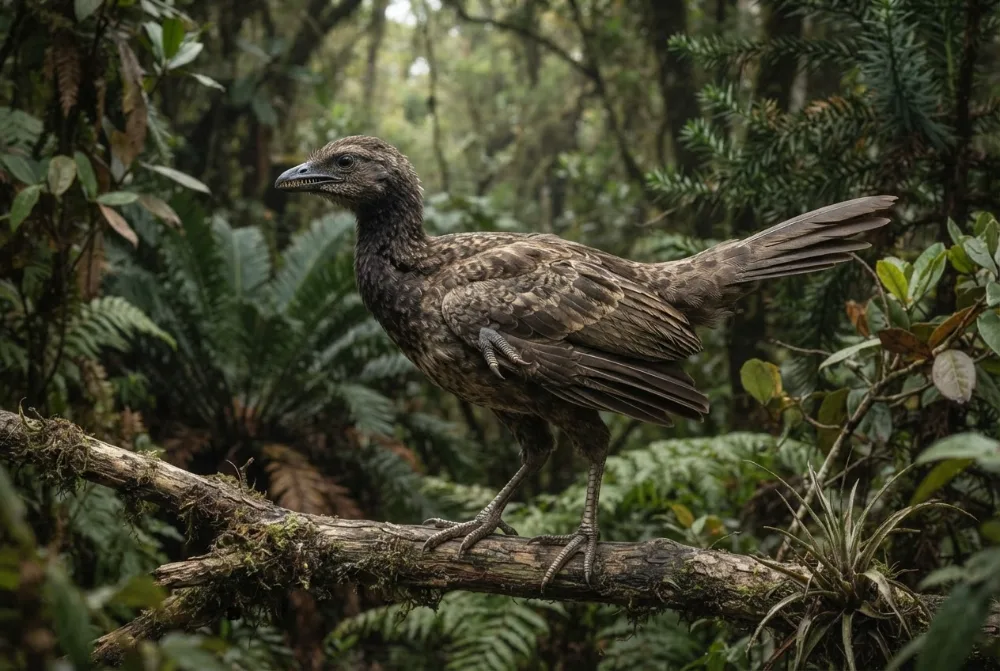
Yungavolucris was a small bird that lived about 70 to 66 million years ago, during the time of the dinosaurs. It had very short, wide feet, which made it look different from most other birds of its time.1
Noiz bizi izan zen?
Zein handia zen?
Zein luzea zen?
Zein altua zen?
Zein astuna zen?
Zein handia zen Yungavolucris ZUREKIN alderatuta?
Zure nabigatzaileko kalkulu hutsak. Ez da ezer gordetzen ez inora bidaltzen.
Zein azkarra zen?


Datu dibertigarriak
Yungavolucris is known only from a few foot bones, called tarsometatarsals. The most complete one is just over 4 centimeters (1.5 inches) long.1
Its foot bones were very wide, about twice as wide as those of its relatives Lectavis and Soroavisaurus, which lived at the same time and place.1
The outer toe bone (metatarsal IV) was very thin but as long as the middle toe bone, and the middle toe bone was bent outward, which is unusual.1
If its legs were short and wide, Yungavolucris might have been a slow, heavy bird that could not fly, about the size of a large chicken.1
Yungavolucris lived alongside other enantiornithean birds like Lectavis and Soroavisaurus, but it had much stouter feet than them.1
Yungavolucris: gehien egindako galderak
?Was Yungavolucris a dinosaur?
Yes, Yungavolucris was a bird, and birds are a type of dinosaur called avialan dinosaurs. It lived about 70 to 66 million years ago.1
?How big was Yungavolucris?
Nobody knows for sure, but if its legs were short and wide, it might have been about 50 cm long, 25 cm tall at the hip, and weighed about 1.75 kg, about the size of a large chicken.1
?Could Yungavolucris fly?
Maybe not. If its legs were both short and wide, it might have been a heavy, sluggish bird that could not fly, like a large chicken.1
Mito-hauslea
Mitoa: Some people think Yungavolucris was a dinosaur, but it was actually a bird.
Egia: Yungavolucris was a type of enantiornithean, which is a group of ancient birds. Birds are related to dinosaurs, but they are not the same as non-avian dinosaurs.1
Dino adituentzat
- Izen zientifikoa
- Yungavolucris
- Izendatzailea:
- Chiappe 19933
- Taldea
- Lehen hegaztiak
- Familia / klada
- Enantiornithes3
- Sailkapena
- Theropoda > Avialae3
- Arroken adina
- 72 eta 66 milioi urte artean (Maastrichtian)3
- Arroka-formazioak
- Lecho3
- Herrialdeak
- Argentina3
- Fosil-erregistroak
- 1 The Paleobiology Database datu-basean3
- Aurkikuntza
- Yungavolucris was named by Luis M. Chiappe in 1993. The fossils were found in the Lecho Formation in Argentina, at a site called Estancia El Brete.12
- Oraindik eztabaidagai
- Scientists are not sure how Yungavolucris is related to other enantiornithean birds. Some studies place it close to avisaurids, but others do not, and it might even be the same species as another bird from the same site.1
Datuak nondik datozen
- Yungavolucris (en.wikipedia.org)
- PBDB Taxon (paleobiodb.org)
- Yungavolucris in The Paleobiology Database (CC BY 4.0): adina, tokiak, arroka-formazioak, sailkapena.
Orrialde honetako datu bakoitzak zenbaki bat du, bere iturrira eramaten zaituena. Zerbait gaizki badugu, barkatu, dino-zaleak gara, ez zientzia-aldizkari bat. Idatzi [email protected] helbidera eta konponduko dugu.
 Rex gose da! Dino Wiki aita baten proiektua da, dinosauroak maite dituen bere semearentzat, doakoa, iragarkirik eta jarraitzailerik gabe. Helduek mokadutxo bat eman diezaiokete Rexi, sarean jarraitzen laguntzeko.Eman jaten Rexi
 Archaeopteryx
 Hesperornis
 Ichthyornis
 Baptornis
 Jurapteryx
 Gobipteryx
 Tyrannosaurus
 Triceratops
 Velociraptor
 Spinosaurus
 Ankylosaurus
 Parasaurolophus