 რომელი დინო ხარ? ქვიზი
 დინოების ბრძოლა
 დინოების რბოლა
 დინო მინი-თამაშები
 სტიკერების ალბომი
 დინო TOP სიები
 გამაოცე!
როდის ცხოვრობდა?

რამხელა იყო?
რამდენად გრძელი იყო?
რამდენად მაღალი იყო?
შეფასება
რამდენად მძიმე იყო?

 5 ძაღლის სიგრძის, ცხვირიდან კუდამდე🍌28 მწკრივად დალაგებული ბანანის სიგრძის100 ძაღლის წონის🍉400 საზამთროს წონის🎒მოსწავლეებით სავსე 2,5 კლასის წონის🐻❄️4 თეთრი დათვის წონის🏃100 მეტრს 18 წამში გაირბენდა (ყველაზე სწრაფ ადამიანს 9,6 სჭირდება)
რამხელა იყო Polacanthus შენთან შედარებით?
უბრალოდ მათემატიკა შენს ბრაუზერში. არაფერი ინახება და არსად იგზავნება.
რამდენად სწრაფი იყო?


სახალისო ფაქტები
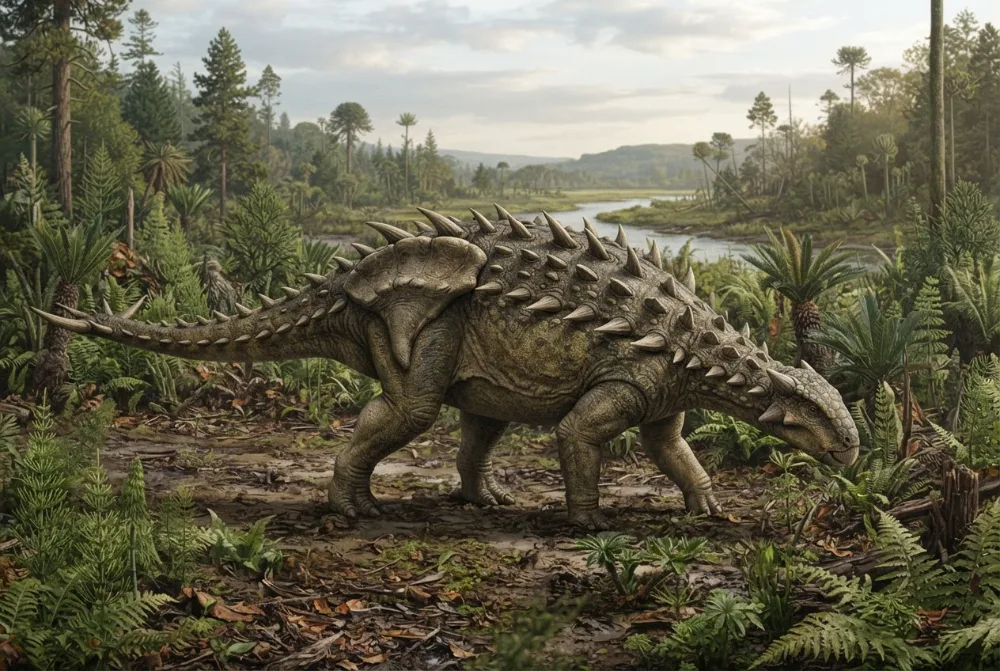
Polacanthus had a large fused plate of bone over its hips called a 'pelvic shield', which was about 108 centimetres wide and 90 centimetres long.1
Its body was covered with many spikes and small bony studs called ossicles.1
The first fossil of Polacanthus was discovered by the Reverend William Fox on the Isle of Wight in 1865.1
Polacanthus lived about 130 to 125 million years ago during the Early Cretaceous.1
Scientists are not sure if Polacanthus belongs to the Nodosauridae family or its own family, the Polacanthidae.1
A second species, Polacanthus rudgwickensis, was named in 1996 but later moved to its own genus Horshamosaurus in 2015.1
ყველაზე ხშირი კითხვები: Polacanthus
?How big was Polacanthus?
Polacanthus grew to about 4 to 5 metres (13 to 16 feet) long. Estimates of its weight vary significantly, with some scientists suggesting it weighed around 2 tonnes (4,400 pounds), while others estimate it was much lighter.1
?What did Polacanthus eat?
Polacanthus was a herbivore, meaning it ate plants. Its teeth and body were built for eating vegetation.1
?Did Polacanthus have a tail club?
No, Polacanthus did not have a tail club like Ankylosaurus. Instead, its tail had spikes and bony plates for protection.1
?Where was Polacanthus found?
Polacanthus fossils have been found in England, especially on the Isle of Wight. The first fossil was discovered there in 1865 by the Reverend William Fox.13
?When did Polacanthus live?
Polacanthus lived during the Early Cretaceous Period, about 130 to 125 million years ago.1
?How fast could Polacanthus run?
Nobody knows for sure how fast Polacanthus could run, but it walked on all fours and had relatively long hindlimbs for an ankylosaur, which might have allowed it to move fairly quickly.1
მითების მსხვრეველი
მითი: Polacanthus could swing its tail like a club.
სიმართლე: Polacanthus did not have a tail club; its tail was covered in spikes but lacked the heavy bony club seen in some other ankylosaurs.1
დინო ექსპერტებისთვის
- სამეცნიერო სახელი
- Polacanthus
- სახელი დაარქვა:
- Fox 18664
- ჯგუფი
- ჯავშნიანი დინოები
- ოჯახი / კლადი
- Nodosauridae4
- კლასიფიკაცია
- Ornithischia > Ankylosauria > Nodosauridae > Thyreophora4
- ქანების ასაკი
- 139-100 მილიონი წელი (Berriasian / Albian)4
- ქანების წყებები
- Wessex, Vectis, Pinilla de los Moros4
- ქვეყნები
- გაერთიანებული სამეფო, ესპანეთი4
- ნამარხების ჩანაწერები
- The Paleobiology Database-ში: 164
- ასევე ცნობილია როგორც
- Euacanthus, Vectensia (ძველი სახელები ახლა იმავე ცხოველად ითვლება)4
- აღმოჩენა
- Polacanthus was discovered by Reverend William Fox on the Isle of Wight in 1865. The name was first used by Richard Owen in a lecture later that year, and the full description was published by Fox in 1866.1
- ჯერ კიდევ სადავოა
- Scientists still debate whether Polacanthus was a nodosaurid or belonged to a separate family called Polacanthidae.1
საიდან არის ფაქტები
- Polacanthus (en.wikipedia.org)
- Polacanthus | Natural History Museum (nhm.ac.uk)
- Spotlight on Polacanthus - Horniman Museum and Gardens (horniman.ac.uk)
- Polacanthus in The Paleobiology Database (CC BY 4.0): ასაკი, ადგილები, ქანების წყებები, კლასიფიკაცია.
ამ გვერდზე ყოველ ფაქტს აქვს ნომერი, რომელიც მის წყაროზე მიუთითებს. თუ რამე შეგვეშალა, ბოდიში, ჩვენ დინოს მოყვარულები ვართ და არა სამეცნიერო ჟურნალი. მოგვწერე მისამართზე [email protected] და გავასწორებთ.
 რექსს შია! Dino Wiki მამის პროექტია დინოზავრების მოყვარული შვილისთვის, უფასო, რეკლამისა და ტრეკერების გარეშე. უფროსებს შეუძლიათ რექსს რამე გემრიელი აჭამონ, რომ საიტი ონლაინ დარჩეს.აჭამე რექსს
 Ankylosaurus
 Sauropelta
 Pinacosaurus
 Scutellosaurus
 Struthiosaurus
 Euoplocephalus
 Stegosaurus
 Iguanodon
 Archaeopteryx
 Giganotosaurus
 Microraptor
 Deinonychus