 Kwizi: Oli dayinoso ki?
 Olutalo lwa dayinoso
 Empaka z'emisinde gya dayinoso
 Emizannyo emitono egya dayinoso
 Alubaamu ya sitika
 Enkalala za dayinoso eza TOP
 Mpa ekyewuunyisa!
Camarasaurus
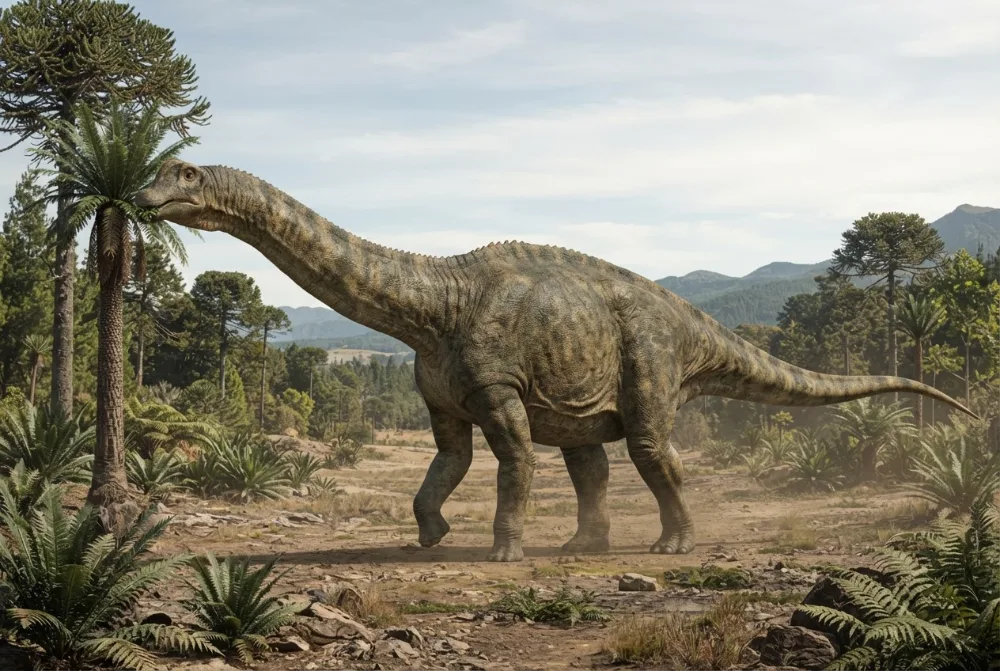
Camarasaurus was a giant, long-necked plant-eater that lived in North America during the Late Jurassic. It had a bulky body, a wide ribcage, and a surprisingly large skull for a sauropod. More than 530 fossils have been found, making it the most common dinosaur in the Morrison Formation.1
Yabeerawo ddi?
Yali munene atya?
Yali muwanvu kwenkana wa?
Yali mugulumivu kwenkana wa?
Yali muzito kwenkana wa?

 obuwanvu ng'emmotoka 5 ezisimbiddwa mu lunyiriri🍌obuwanvu ng'amenvu 130 nga gaddiriŋŋana🍉obuzito ng'obwa wotamerooni 10000🎒obuzito ng'obw'ebibiina 62 ebijjuvu eby'abaana b'essomero🐻❄️obuzito ng'obwa ddubu enjeru 110🏢mugulumivu ekimala okulingiza mu ddirisa ku mwaliiro 2🏃yandidduse mita 100 mu sikonda 36 (omuntu asinga embiro yeetaaga 9.6)
Camarasaurus yali munene atya bw'ogeraageranya ku GGWE?
Kubala kwokka mu browser yo. Tewali kiterekebwa wadde okusindikibwa wonna.
Yali wa mbiro kwenkana wa?


Ebyewuunyisa
Camarasaurus means 'chambered lizard' because its backbone had hollow chambers, which helped lighten its skeleton.1
It had a relatively short neck and tail compared to other sauropods, and its front legs were longer than its back legs, making its shoulders higher than its hips.1
More than 530 specimens have been found, including several nearly complete skeletons, so scientists know a lot about this dinosaur.1
Camarasaurus lived alongside other famous dinosaurs like Diplodocus, Stegosaurus, and Allosaurus in the Morrison Formation.1
Its teeth had microscopic pits and scratches that show adults ate tough, coarse plants, while juveniles ate softer food.1
A nearly complete skeleton of a young Camarasaurus (CM 11338) was found with its neck curved upward, but that pose may have happened after death, not when it was alive.1
Omumenyi w'enfumo
Enfumo: Camarasaurus could hold its neck straight up like a giraffe.
Amazima: Scientists think its neck was held more horizontally or with a slight downward slope, not vertical like a swan.1
Eri abakugu mu dayinoso
- Erinnya lya ssaayansi
- Camarasaurus
- Yatuumibwa
- Cope 18772
- Ekibinja
- Ez'ensingo empanvu
- Ekika / ekibinja
- Camarasauridae2
- Engabanya
- Sauropodomorpha > Sauropoda > Macronaria2
- Emyaka gy'enjazi
- emyaka obukadde 162 okutuuka ku 143 (Oxfordian / Tithonian)2
- Ensengeka z'enjazi
- Morrison, Kadzi, Süntel2
- Ensi
- Amerika, Zimbabwe, Bugirimaani2
- Ebisigalira ebyazuulibwa
- 138 mu The Paleobiology Database2
- Era emanyiddwa nga
- Cathetosaurus, Caulodon, Uintasaurus (amannya ag'edda kati gabalibwa ng'ekisolo kye kimu)2
- Okuzuulibwa
- Camarasaurus was named in 1877 by Edward Drinker Cope, based on fossils from Garden Park, Colorado. Soon after, his rival Othniel Charles Marsh named similar fossils Morosaurus, but those are now considered the same genus.1
- Kikyakubaganyizibwako ebirowoozo
- Scientists still debate exactly how Camarasaurus held its neck and whether it could rear up on its hind legs to reach high plants.1
Ebituufu gye biva
- Camarasaurus (en.wikipedia.org)
- Camarasaurus in The Paleobiology Database (CC BY 4.0): emyaka, ebifo, ensengeka z'enjazi, engabanya.
Buli kituufu ku lupapula luno kirina ennamba eraga ensibuko yaakyo. Bwe tuba nga tukoze ensobi, tusonyiwe, ffe tuli bawagizi ba dayinoso, so si magazini ya ssaayansi. Tubuulire ku [email protected] tujja kugitereeza.
 Rex alumwa enjala! Dino Wiki pulojekiti ya taata eri mutabani we ayagala ennyo dayinoso, ya bwereere, tewali bulango era tewali bikulondoola. Abakulu basobola okuwa Rex akantu ak'okulya okuyamba okugikuuma ku mutimbagano.Liisa Rex
 Brachiosaurus
 Diplodocus
 Brontosaurus
 Argentinosaurus
 Morosaurus
 Massospondylus
 Allosaurus
 Compsognathus
 Camptosaurus
 Nanosaurus
 Rhamphorhynchus
 Ceratosaurus