 Kwizi: Oli dayinoso ki?
 Olutalo lwa dayinoso
 Empaka z'emisinde gya dayinoso
 Emizannyo emitono egya dayinoso
 Alubaamu ya sitika
 Enkalala za dayinoso eza TOP
 Mpa ekyewuunyisa!
Yabeerawo ddi?

Yali munene atya?
Yali muwanvu kwenkana wa?
Yali mugulumivu kwenkana wa?
kuteebereza
Yali muzito kwenkana wa?
 obuwanvu ng'emmotoka 2 ezisimbiddwa mu lunyiriri🍌obuwanvu ng'amenvu 56 nga gaddiriŋŋana
 obuzito ng'obw'embwa 200🍉obuzito ng'obwa wotamerooni 780🎒obuzito ng'obw'ebibiina 5 ebijjuvu eby'abaana b'essomero🐻❄️obuzito ng'obwa ddubu enjeru 9🏃yandidduse mita 100 mu sikonda 14 (omuntu asinga embiro yeetaaga 9.6)
Siats yali munene atya bw'ogeraageranya ku GGWE?
Kubala kwokka mu browser yo. Tewali kiterekebwa wadde okusindikibwa wonna.
Yali wa mbiro kwenkana wa?


Ebyewuunyisa
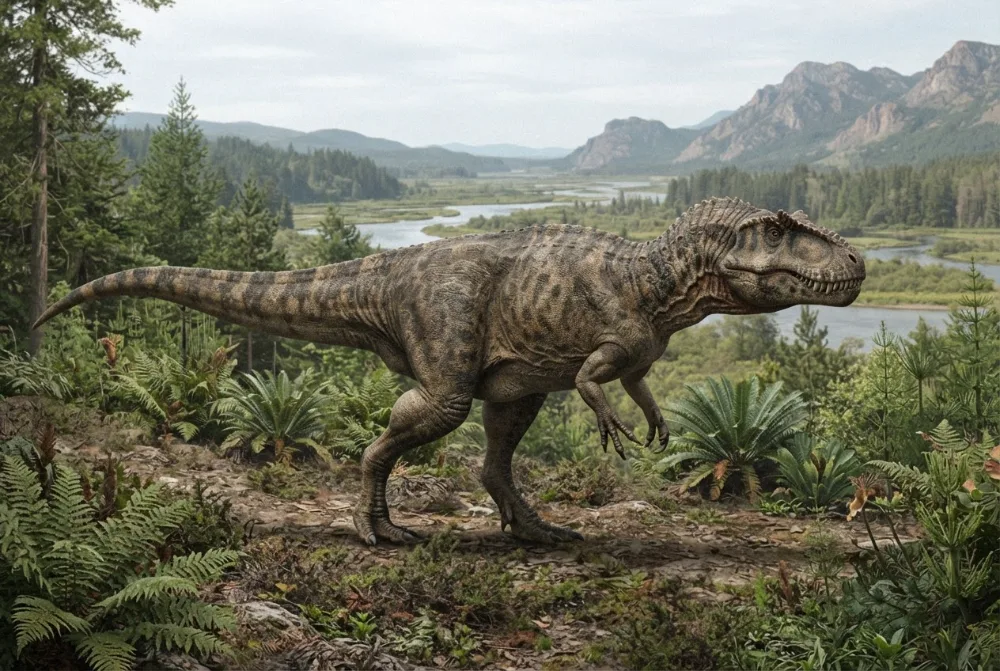
Siats was one of the largest predators in North America during the early Late Cretaceous, weighing about 3.9 metric tons (4.3 short tons).1
The only known Siats skeleton is from a young animal, not a fully grown adult, so it might have been even bigger.12
Siats lived at the same time and place as small tyrannosauroids, and scientists think it may have kept them from growing huge.2
Siats is the first megaraptoran dinosaur ever found in North America.2
The fossil bones were found sticking out of a hillside during a 2008 expedition.1
Ebibuuzo ebisinga okubuuzibwa ku Siats
?How big was Siats?
Siats was about 10 metres (33 feet) long and weighed around 3.9 metric tons (4.3 short tons). That is as heavy as two large cars.14
?What did Siats eat?
Siats was a meat-eater that probably hunted plant-eating dinosaurs like Eolambia. It was the top predator of its time.24
?Was Siats bigger than T. rex?
No, Siats was smaller than T. rex. T. rex could be over 12 metres (40 feet) long and weigh more than 8 metric tons, while Siats was about 10 metres (33 feet) long and weighed about 4 metric tons.14
?When did Siats live?
Siats lived about 98 million years ago, during the early Late Cretaceous period. That is about 30 million years before T. rex appeared.12
Eri abakugu mu dayinoso
- Erinnya lya ssaayansi
- Siats
- Yatuumibwa
- Zanno and Makovicky 20135
- Ekibinja
- Dayinoso ezirya ennyama
- Ekika / ekibinja
- Megaraptora5
- Engabanya
- Theropoda > Megaraptora5
- Emyaka gy'enjazi
- emyaka obukadde 100 okutuuka ku 94 (Cenomanian)5
- Ensengeka z'enjazi
- Cedar Mountain5
- Ensi
- Amerika5
- Ebisigalira ebyazuulibwa
- 1 mu The Paleobiology Database5
- Okuzuulibwa
- Siats was discovered by Lindsay Zanno during a 2008 Field Museum expedition with Peter Makovicky. The bones were collected from 2008 to 2010 in Utah, and the dinosaur was named in 2013.1
- Kikyakubaganyizibwako ebirowoozo
- Scientists are not sure exactly where Siats belongs in the dinosaur family tree. Some think it was a megaraptoran, while others suggest it was closer to tyrannosaurs.1
Ebituufu gye biva
- Siats (en.wikipedia.org)
- Neovenatorid theropods are apex predators in the Late Cretaceous of North America | Nature Communications (nature.com)
- Siats (en.wikipedia.org)
- Dominant Dinosaur That Lived Before T. rex Discovered - Field Museum (fieldmuseum.org)
- Siats in The Paleobiology Database (CC BY 4.0): emyaka, ebifo, ensengeka z'enjazi, engabanya.
Buli kituufu ku lupapula luno kirina ennamba eraga ensibuko yaakyo. Bwe tuba nga tukoze ensobi, tusonyiwe, ffe tuli bawagizi ba dayinoso, so si magazini ya ssaayansi. Tubuulire ku [email protected] tujja kugitereeza.
 Rex alumwa enjala! Dino Wiki pulojekiti ya taata eri mutabani we ayagala ennyo dayinoso, ya bwereere, tewali bulango era tewali bikulondoola. Abakulu basobola okuwa Rex akantu ak'okulya okuyamba okugikuuma ku mutimbagano.Liisa Rex
 Allosaurus
 Carnotaurus
 Dilophosaurus
 Giganotosaurus
 Compsognathus
 Paronychodon
 Tyrannosaurus
 Triceratops
 Velociraptor
 Spinosaurus
 Ankylosaurus
 Parasaurolophus