 Uri dinozore iyihe? Umukino w'ibibazo
 Intambara ya dinozore
 Isiganwa rya dinozore
 Imikino mito ya dinozore
 Alubumu ya sitikeri
 Intonde za TOP za dinozore
 Ntungura!
Yabayeho ryari?

Yanganaga ite?
Yari iremereye ite?
Avisaurus yanganaga ite ugereranyije NAWE?
Ni imibare gusa ibarirwa muri mushakisha yawe. Nta kintu kibikwa cyangwa cyoherezwa ahandi.
Yihutaga ite?


Utuntu dushimishije
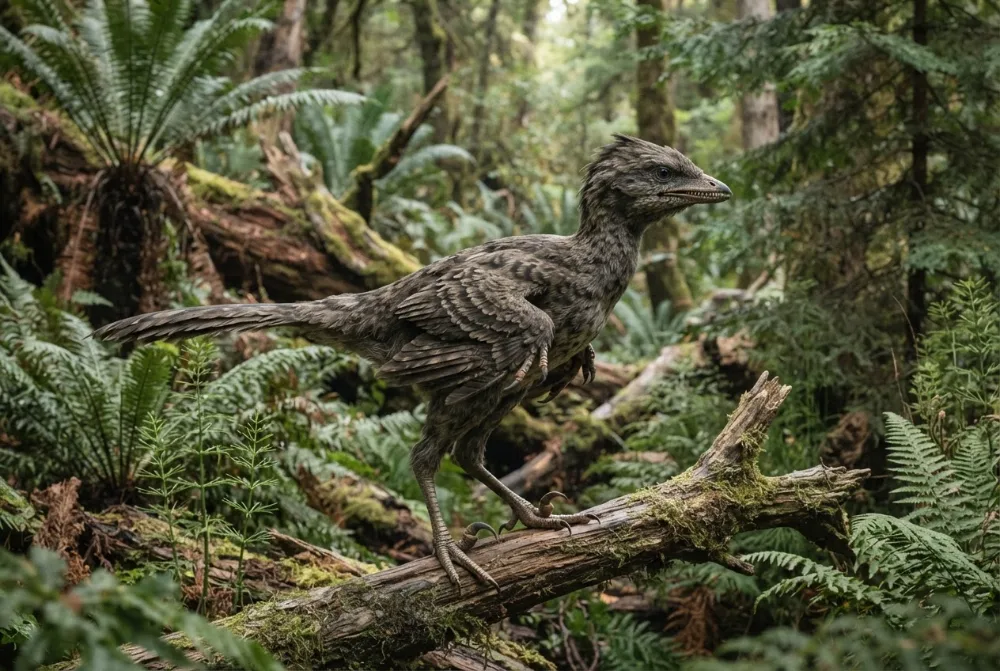
Avisaurus lived about 68 to 66 million years ago, right before the dinosaurs went extinct.1
It was one of the largest enantiornithine birds, weighing up to 1.7 kilograms (3.7 pounds).1
The first fossil of Avisaurus was a single foot bone called a tarsometatarsus, found in Montana in 1975.1
Scientists first thought Avisaurus was a non-avian dinosaur, but later realized it was an ancient bird.1
Avisaurus had curved claws on its feet, similar to those of raptor dinosaurs, which helped it catch prey.1
It lived in swamps and river basins along the western shore of a huge sea that split North America.1
Ibibazo bibazwa cyane kuri Avisaurus
?Was Avisaurus a dinosaur?
Yes, Avisaurus was a dinosaur. All birds are members of the dinosaur group, and Avisaurus was an enantiornithine bird.1
?How big was Avisaurus?
Avisaurus was a large enantiornithine bird. Avisaurus darwini weighed up to 1.2 kilograms (2.6 pounds), and Avisaurus archibaldi weighed up to 1.7 kilograms (3.7 pounds).1
?What did Avisaurus eat?
Avisaurus was a predator that likely ate other vertebrates. Its curved claws and foot bones suggest it could catch and carry prey, similar to modern hawks and owls.12
?When did Avisaurus live?
Avisaurus lived about 68 to 66 million years ago, during the Late Cretaceous period. It was one of the last enantiornithine birds before the non avian dinosaurs went extinct.1
?Where was Avisaurus found?
Avisaurus fossils have been found in the Hell Creek Formation of Montana, USA. The first fossil was a single foot bone collected in 1975 in Garfield County.1
Gusenya ibinyoma
Ibivugwa: Avisaurus was a dinosaur.
Ukuri: Avisaurus was actually an ancient bird, part of a group called enantiornithines. It was a bird-like dinosaur, but not a non-avian dinosaur.1
Ku bazobereye muri dinozore
- Izina rya siyansi
- Avisaurus
- Yiswe na
- Brett-Surman and Paul 19854
- Itsinda
- Inyoni za mbere
- Umuryango / ishami
- Avisauridae4
- Ishyirwa mu byiciro
- Theropoda > Avialae4
- Imyaka y'amabuye
- imyaka miliyoni 72 kugeza 66 (Maastrichtian)4
- Inzego z'amabuye
- Hell Creek4
- Ibihugu
- Amerika4
- Ibisigazwa byanditswe
- 2 muri The Paleobiology Database4
- Ivumburwa
- Avisaurus was named in 1985 by paleontologists Brett-Surman and Paul. The first fossil, a foot bone, was found in 1975 by J. David Archibald in the Hell Creek Formation of Montana.14
- Biracyagibwaho impaka
- Scientists are not sure exactly how Avisaurus used its claws, whether for hunting or climbing.1
Aho amakuru yakuwe
- Avisaurus (en.wikipedia.org)
- Predatory birds from the same fossil formation as SUE the T. rex - Field Museum (fieldmuseum.org)
- New enantiornithine diversity in the Hell Creek Formation and the functional morphology of the avisaurid tarsometatarsus (pmc.ncbi.nlm.nih.gov)
- Avisaurus in The Paleobiology Database (CC BY 4.0): imyaka, ahantu, inzego z'amabuye, ishyirwa mu byiciro.
Buri kintu kiri kuri uru rupapuro gifite nimero yerekana aho cyakuwe. Niba hari icyo twibeshye, tubabarire, turi abakunzi ba dinozore, ntituri ikinyamakuru cya siyansi. Tubwire kuri [email protected] tuzagikosora.
 Rex arashonje! Dino Wiki ni umushinga wa papa umwe yakoreye umuhungu we ukunda dinozore, ni ubuntu, nta matangazo kandi nta bigukurikirana. Abantu bakuru bashobora guha Rex akantu ko kurya kugira ngo Dino Wiki ikomeze kuboneka kuri interineti.Gaburira Rex
 Archaeopteryx
 Hesperornis
 Ichthyornis
 Baptornis
 Jurapteryx
 Gobipteryx
 Tyrannosaurus
 Triceratops
 Velociraptor
 Spinosaurus
 Ankylosaurus
 Parasaurolophus