 Uri dinozore iyihe? Umukino w'ibibazo
 Intambara ya dinozore
 Isiganwa rya dinozore
 Imikino mito ya dinozore
 Alubumu ya sitikeri
 Intonde za TOP za dinozore
 Ntungura!
Bonapartenykus
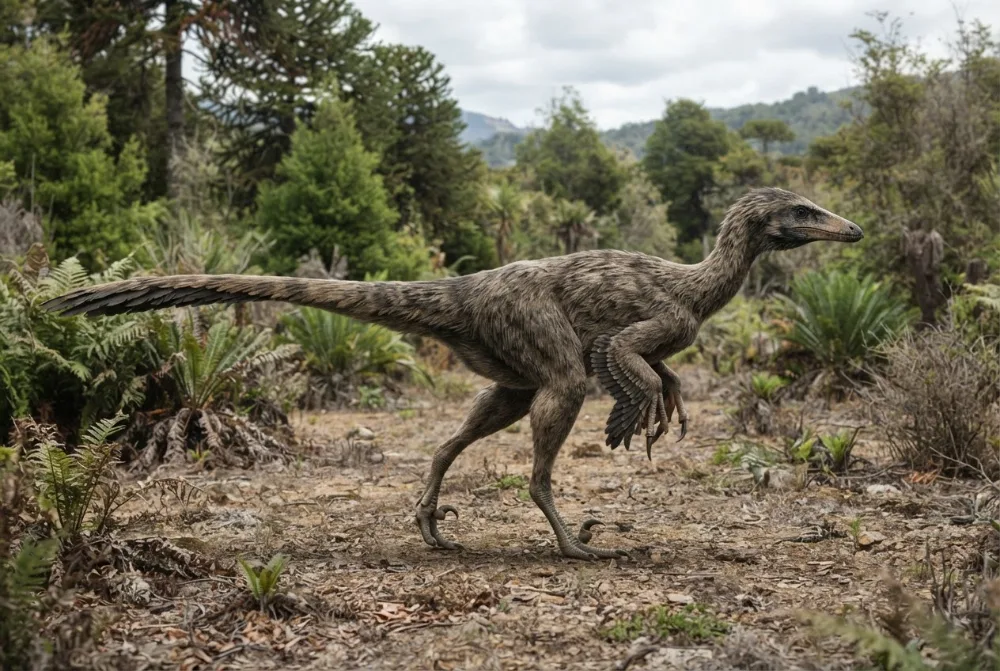
Bonapartenykus was a meat-eating dinosaur that lived in South America near the end of the Age of Dinosaurs. It was one of the biggest members of its family, the alvarezsauroids, and it had a special claw on each hand.1
Yabayeho ryari?
Yanganaga ite?
Yari ndende ite?
Ubutumburuke bwayo bwanganaga iki?
igereranya
Yari iremereye ite?
 ndende nk'imbwa 3 zikurikiranye🍌ndende nk'imineke 18 ikurikiranye🍉iremereye nk'imbuto 14 za watermelon🧸iremereye nk'abana 4 bo mu ishuri ry'incuke🎒iremereye nk'abanyeshuri 2🏃yashoboraga kwiruka metero 100 mu masegonda 7,2 (umuntu wihuta kurusha abandi akenera 9,6)
Bonapartenykus yanganaga ite ugereranyije NAWE?
Ni imibare gusa ibarirwa muri mushakisha yawe. Nta kintu kibikwa cyangwa cyoherezwa ahandi.
Yihutaga ite?


Utuntu dushimishije
Bonapartenykus is the largest known alvarezsauroid, measuring up to 3.3 metres (10.8 feet) long and weighing up to 72 kilograms (159 pounds).1
Its fossils were found with two incomplete eggs and many eggshell pieces, which were given their own scientific name, Arriagadoolithus.1
The eggs were found less than 20 centimetres (7.9 inches) away from the skeleton, so scientists think they may belong to Bonapartenykus.1
Bonapartenykus had a fused hip bone and a fused shoulder blade, which are unusual features that help scientists tell it apart from other dinosaurs.1
It lived between 72 and 66 million years ago, during the Maastrichtian age of the Late Cretaceous period.2
The name 'ultimus' means 'latest', because it was one of the youngest alvarezsauroids from South America.1
Ibibazo bibazwa cyane kuri Bonapartenykus
?How big was Bonapartenykus?
It was about 2.5 to 3.3 metres (8.2 to 10.8 feet) long and weighed 43 to 72 kilograms (95 to 159 pounds). That makes it the largest known alvarezsauroid.1
?What did Bonapartenykus eat?
It was a meat-eating dinosaur, so it probably ate small animals like lizards or insects. Its special claw may have helped it catch prey.1
?Did Bonapartenykus lay eggs?
Yes, its fossils were found with two eggs and many eggshell pieces nearby. Scientists think the eggs belonged to Bonapartenykus and gave them the name Arriagadoolithus.1
?When did Bonapartenykus live?
It lived between 72 and 66 million years ago, near the end of the Age of Dinosaurs. Its name 'ultimus' means 'latest' because it was one of the youngest alvarezsauroids from South America.1
Gusenya ibinyoma
Ibivugwa: Some people think Bonapartenykus was a bird because it had feathers and a beak-like snout.
Ukuri: Bonapartenykus was a dinosaur, not a bird. It belonged to a group called alvarezsauroids, which are close relatives of birds but still dinosaurs.1
Ku bazobereye muri dinozore
- Izina rya siyansi
- Bonapartenykus
- Yiswe na
- Agnolin et al. 20122
- Itsinda
- Dinozore zirya inyama
- Umuryango / ishami
- Alvarezsauroidea2
- Ishyirwa mu byiciro
- Theropoda2
- Imyaka y'amabuye
- imyaka miliyoni 72 kugeza 66 (Maastrichtian)2
- Inzego z'amabuye
- Allen2
- Ibihugu
- Arijantine2
- Ibisigazwa byanditswe
- 3 muri The Paleobiology Database2
- Ivumburwa
- The first skeleton was found in Argentina and was described in 2009 as an unknown alvarezsaurid. In 2012, scientists Federico Agnolin, Jaime Powell, Fernando Novas, and Martin Kundrát named it Bonapartenykus ultimus.1
- Biracyagibwaho impaka
- Scientists are not sure if the eggs found with Bonapartenykus really belong to it, because they were not inside the body. They might belong to another animal.1
Aho amakuru yakuwe
- Bonapartenykus (en.wikipedia.org)
- Bonapartenykus in The Paleobiology Database (CC BY 4.0): imyaka, ahantu, inzego z'amabuye, ishyirwa mu byiciro.
Buri kintu kiri kuri uru rupapuro gifite nimero yerekana aho cyakuwe. Niba hari icyo twibeshye, tubabarire, turi abakunzi ba dinozore, ntituri ikinyamakuru cya siyansi. Tubwire kuri [email protected] tuzagikosora.
 Rex arashonje! Dino Wiki ni umushinga wa papa umwe yakoreye umuhungu we ukunda dinozore, ni ubuntu, nta matangazo kandi nta bigukurikirana. Abantu bakuru bashobora guha Rex akantu ko kurya kugira ngo Dino Wiki ikomeze kuboneka kuri interineti.Gaburira Rex
 Allosaurus
 Carnotaurus
 Dilophosaurus
 Giganotosaurus
 Compsognathus
 Paronychodon
 Tyrannosaurus
 Triceratops
 Velociraptor
 Spinosaurus
 Ankylosaurus
 Parasaurolophus