 Uri dhino ripi? Kwizi
 Hondo yemadhino
 Mujaho wemadhino
 Mitambo midiki yemadhino
 Arubhamu yemasitika
 Rondedzero dzeTOP dzemadhino
 Ndishamise!
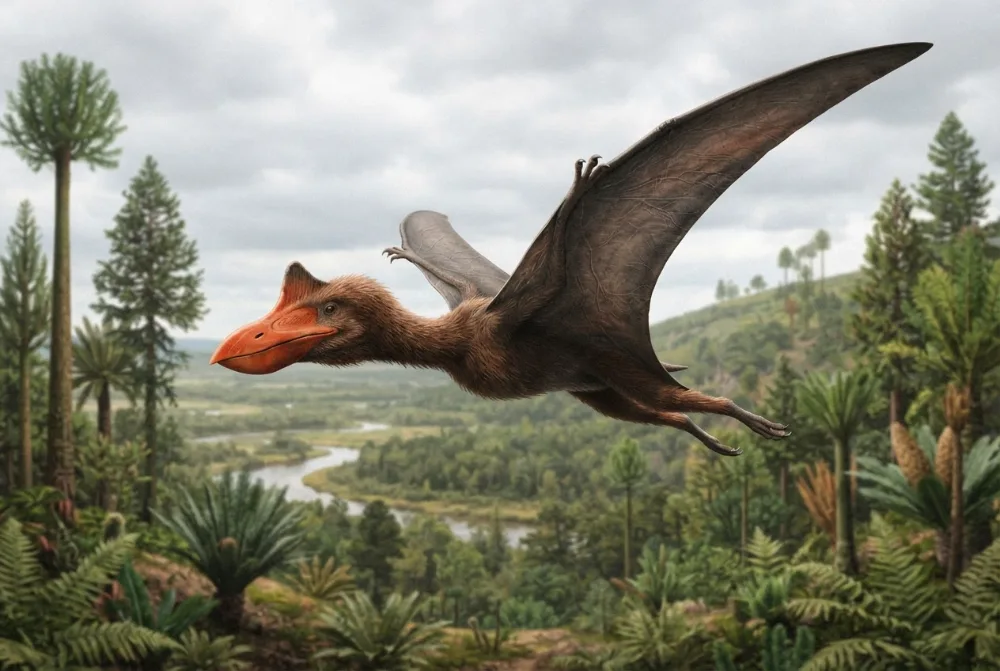
Sinopterus
Sinopterus was a flying reptile with a big, toothless beak like a parrot. It lived in China during the Early Cretaceous, about 120 million years ago, and probably ate plants and seeds.13
Rairarama rini?
Raiva hombe sei?
Mapapiro aro aiva akapamhama zvakadii?
Rairema zvakadii?
 kureba sekatsi dzemumba 4 kubva pamhino kusvika kumuswekurema kunenge sekatsi yemumba🍌kurema semabhanana 24⚽raigona kubhururuka richiyambuka nhandare yose yebhora mumasekonzi 8
Sinopterus raiva hombe sei kana richienzaniswa NEWE?
Masvomhu chete mubrowser yako. Hapana chinochengetwa kana kutumirwa kupi zvako.
Raimhanya zvakadii?


Zvinonakidza
Sinopterus had a long, bony crest on top of its skull that pointed backward like a spike.1
Its beak had no teeth, similar to modern birds and some other pterosaurs.1
Scientists found tiny plant fossils (phytoliths) in the stomach of a Sinopterus, proving it ate plants.1
Sinopterus also swallowed small stones (gastroliths) to help grind up tough plant food in its gizzard.1
It was one of the first tapejarid pterosaurs found outside Brazil, showing these flying reptiles lived in many places.1
The largest Sinopterus had a wingspan of about 1.9 metres (6.2 feet) and weighed around 2.9 kilograms (6.3 pounds).1
Many scientists now think that only one species of Sinopterus is valid: Sinopterus dongi.2
Mibvunzo inonyanya kubvunzwa nezve Sinopterus
?Was Sinopterus a dinosaur?
No, Sinopterus was a pterosaur, a flying reptile, not a dinosaur.1
?How big was Sinopterus?
The largest Sinopterus had a wingspan of about 1.9 metres and weighed around 2.9 kilograms. The type specimen had a skull 17 centimetres long.1
?What did Sinopterus eat?
Sinopterus was a herbivore. Scientists found plant fossils and gastroliths in its stomach, showing it ate seeds, grains, and other plants.1
?Did Sinopterus have teeth?
No, Sinopterus had a toothless, bird-like beak similar to a parrot.1
?When did Sinopterus live?
Sinopterus lived during the Early Cretaceous period, about 120 million years ago.1
?Why did Sinopterus have a crest?
The long bony crest on its skull may have been used for display, such as attracting mates or recognizing other members of its species. Scientists are not completely sure.1
Mubvisi wengano
Ngano: Some people think Sinopterus ate fish or insects like many other pterosaurs.
Chokwadi: Stomach contents show Sinopterus was a plant-eater, with no fish bones or insect shells found.1
Zvevanyanzvi vemadhino
- Zita resainzi
- Sinopterus
- Akaripa zita:
- Wang and Zhou 20023
- Boka
- Zvinokambaira zvinobhururuka
- Mhuri / boka
- Tapejaridae3
- Kurongwa kwemhuka
- Pterosauria > Pterodactyloidea3
- Zera rematombo
- makore mamiriyoni 121 kusvika 113 (Aptian)3
- Mapoka ematombo
- Jiufotang3
- Nyika
- China3
- Zvinyorwa zvemafosiri
- 3 mu The Paleobiology Database3
- Kuwanikwa
- Sinopterus was named in 2002 by Chinese paleontologists Wang Xiaolin and Zhou Zhonghe, based on a nearly complete skeleton found in Liaoning, China.13
- Zvichiri kupokanwa
- Scientists still debate how many different species of Sinopterus existed, because the crests and sizes vary a lot among fossils.2
Kunobva chokwadi
- Sinopterus (en.wikipedia.org)
- PeerJ A taxonomic revision of the Sinopterus complex (Pterosauria, Tapejaridae) from the Early Cretaceous Jehol Biota, with the new genus Huaxiadraco (peerj.com)
- Sinopterus in The Paleobiology Database (CC BY 4.0): zera, nzvimbo, mapoka ematombo, kurongwa kwemhuka.
Chokwadi chega chega papeji ino chine nhamba inoratidza kwachakabva. Kana takakanganisa chimwe chinhu, ruregerero, tiri vanoda madhino, kwete magazini yesainzi. Tiudze pa [email protected] tichazvigadzirisa.
 Rex ane nzara! Dino Wiki ipurojekiti yababa yemwanakomana wavo anoda madhino, mahara, pasina kushambadza uye pasina zvinokutevera. Vakuru vanogona kupa Rex chekudyadya kuti vabatsire kuchengeta saiti iri pamhepo.Fudza Rex
 Pteranodon
 Quetzalcoatlus
 Dorygnathus
 Rhamphorhynchus
 Anhanguera
 Pterodactylus
 Stegosaurus
 Iguanodon
 Archaeopteryx
 Giganotosaurus
 Microraptor
 Deinonychus