 Uri dhino ripi? Kwizi
 Hondo yemadhino
 Mujaho wemadhino
 Mitambo midiki yemadhino
 Arubhamu yemasitika
 Rondedzero dzeTOP dzemadhino
 Ndishamise!
Tupuxuara
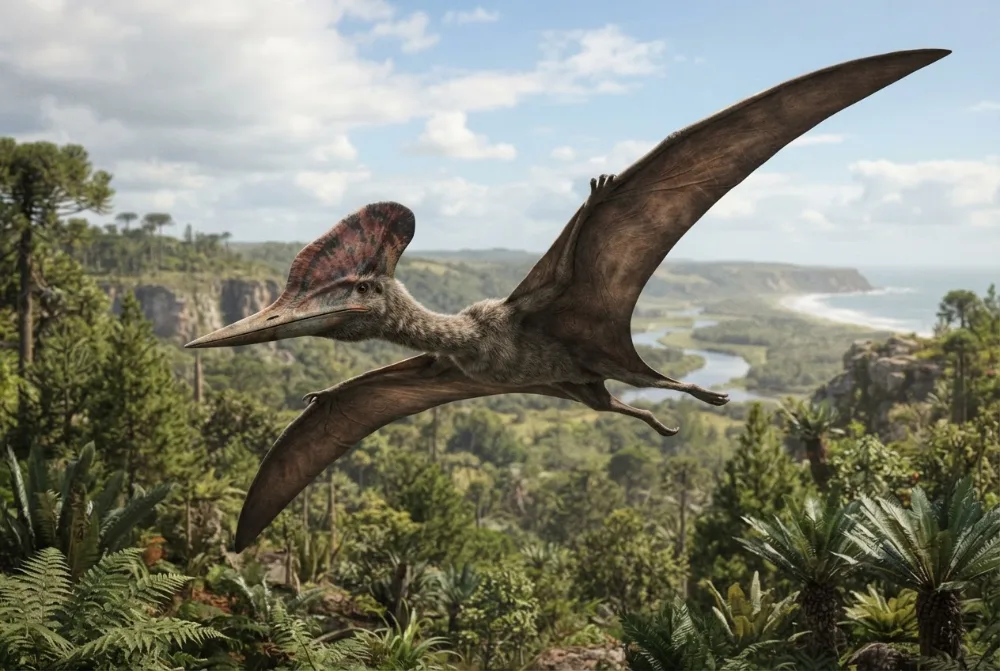
Tupuxuara was a flying reptile with a huge, bony crest on its head. It soared over ancient Brazil about 112 million years ago, using its long wings and toothless beak to hunt for fish.12
Rairarama rini?
Raiva hombe sei?
Raiva refu zvakadii?
Rairema zvakadii?
 kureba sekatsi dzemumba 4 kubva pamhino kusvika kumuswe🍌kureba semabhanana 11 akatevedzana🍉kurema semanwiwa 5⚽raigona kubhururuka richiyambuka nhandare yose yebhora mumasekonzi 5.6
Tupuxuara raiva hombe sei kana richienzaniswa NEWE?
Masvomhu chete mubrowser yako. Hapana chinochengetwa kana kutumirwa kupi zvako.
Raimhanya zvakadii?


Zvinonakidza
Tupuxuara had a huge crest on its head made of bone. The crest was bigger in older animals, so scientists think it was used to show off to mates.1
Its wings were very long compared to its body weight. This helped it fly well and cover long distances.1
Tupuxuara lived about 112 million years ago during the Early Cretaceous period.1
The first fossils of Tupuxuara were a snout and some wing bones. They were found in Brazil.1
There are two main species: Tupuxuara longicristatus, which had a long crest, and Tupuxuara leonardii, which had a more rounded crest.1
A third species, Tupuxuara deliradamus, was named in 2009 but many scientists now think it is not a valid species.1
Tupuxuara was a close relative of Thalassodromeus, another large pterosaur from Brazil.1
By studying its eye bones, scientists think Tupuxuara was active during the day.1
Mibvunzo inonyanya kubvunzwa nezve Tupuxuara
?How big was Tupuxuara?
Tupuxuara had a wingspan of about 4.7 metres (15.4 feet) and weighed around 25 kilograms (55.1 pounds). Its body length was about 2 metres (6.6 feet).1
?What did Tupuxuara eat?
Scientists think Tupuxuara was probably a terrestrial omnivore or carnivore, eating a mix of plants and small animals. Earlier ideas that it ate only fish or fruit are less likely now.1
?Did Tupuxuara have teeth?
No, Tupuxuara had a toothless beak, like many other pterosaurs from its group.1
?Why did Tupuxuara have a crest?
The large bony crest on its head was probably used to show off to mates, since it grew bigger as the animal got older. It was a sign of sexual maturity.1
?When did Tupuxuara live?
Tupuxuara lived about 112 million years ago, during the Early Cretaceous period.1
?Is Tupuxuara a dinosaur?
No, Tupuxuara is a pterosaur, which is a flying reptile. Pterosaurs are not dinosaurs, though they lived at the same time.1
Mubvisi wengano
Ngano: Some people think Tupuxuara was a dinosaur.
Chokwadi: Tupuxuara was a pterosaur, a flying reptile that lived at the same time as dinosaurs but is not a dinosaur.1
Zvevanyanzvi vemadhino
- Zita resainzi
- Tupuxuara
- Akaripa zita:
- Kellner and Campos 19883
- Boka
- Zvinokambaira zvinobhururuka
- Mhuri / boka
- Thalassodromidae3
- Kurongwa kwemhuka
- Pterosauria > Pterodactyloidea3
- Zera rematombo
- makore mamiriyoni 120 kusvika 113 (Aptian)3
- Mapoka ematombo
- Romualdo3
- Nyika
- Brazil3
- Zvinyorwa zvemafosiri
- 5 mu The Paleobiology Database3
- Kuwanikwa
- Tupuxuara was named in 1988 by Brazilian paleontologists Alexander Kellner and Diógenes de Almeida Campos. The first fossils were found in the Santana Formation (now Romualdo Formation) of Brazil.1
- Zvichiri kupokanwa
- Scientists are not sure exactly what Tupuxuara ate. It may have been a fish eater, a meat eater, or even an omnivore that also ate fruit.1
Kunobva chokwadi
- Tupuxuara (en.wikipedia.org)
- Friday's Pterosaur: Tupuxuara (amnh.org)
- Tupuxuara in The Paleobiology Database (CC BY 4.0): zera, nzvimbo, mapoka ematombo, kurongwa kwemhuka.
Chokwadi chega chega papeji ino chine nhamba inoratidza kwachakabva. Kana takakanganisa chimwe chinhu, ruregerero, tiri vanoda madhino, kwete magazini yesainzi. Tiudze pa [email protected] tichazvigadzirisa.
 Rex ane nzara! Dino Wiki ipurojekiti yababa yemwanakomana wavo anoda madhino, mahara, pasina kushambadza uye pasina zvinokutevera. Vakuru vanogona kupa Rex chekudyadya kuti vabatsire kuchengeta saiti iri pamhepo.Fudza Rex
 Pteranodon
 Quetzalcoatlus
 Dorygnathus
 Rhamphorhynchus
 Anhanguera
 Pterodactylus
 Stegosaurus
 Iguanodon
 Archaeopteryx
 Giganotosaurus
 Microraptor
 Deinonychus